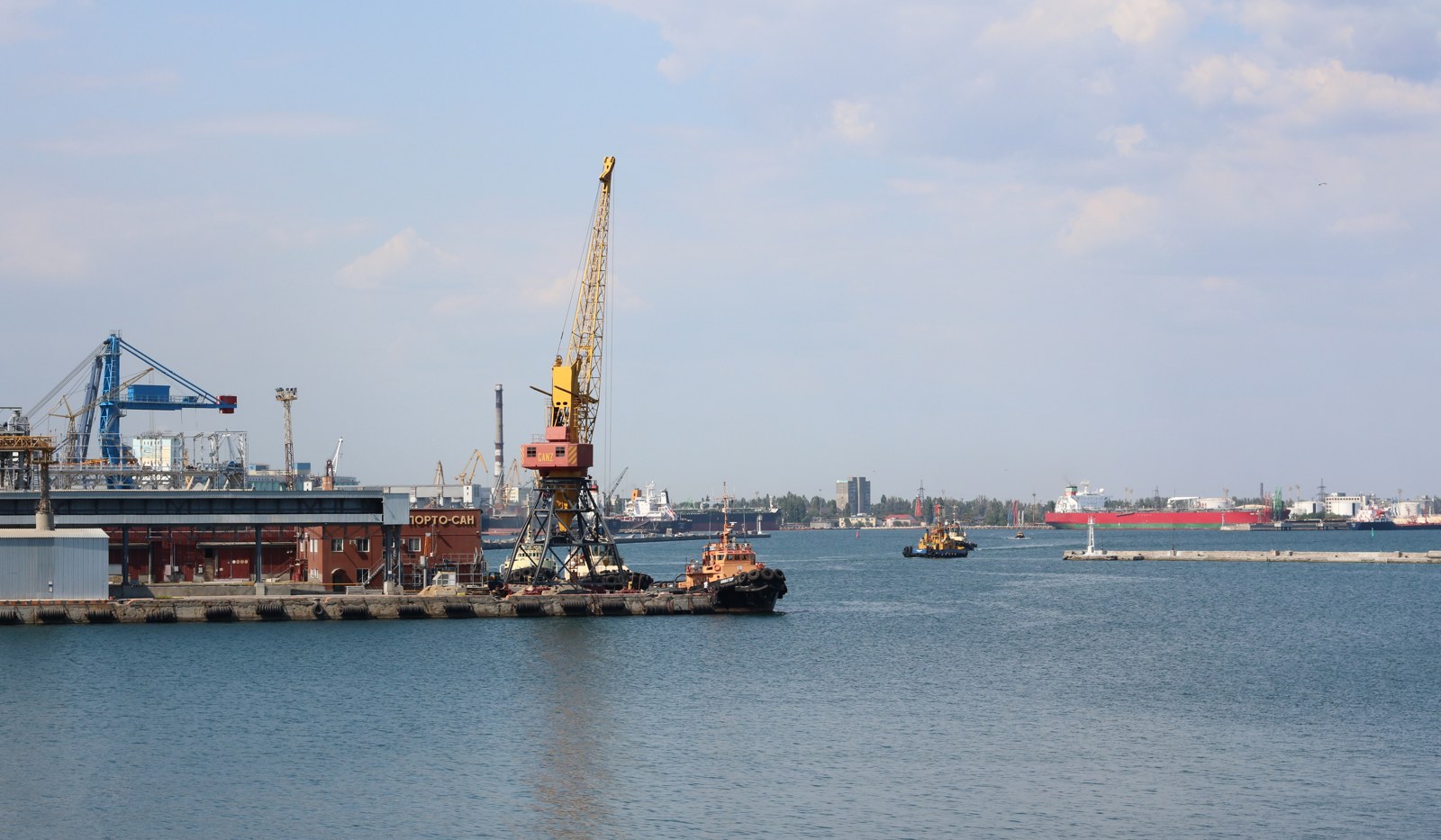
Ukraine has proposed a ceasefire in the Black Sea aimed at restoring safe navigation and protecting agricultural exports, Foreign Minister Andrii Sybiha said on 27 November.
Speaking at the Food from Ukraine conference, Sybiha said proposals had been conveyed and Kyiv was awaiting a response from Russia. Al Jazeera and Xinhua reported that the initiative seeks uninterrupted movement of agricultural products through the sea.
The proposal is not an agreed truce. The reports cited here do not establish that Russia has accepted its terms or that attacks on shipping and port infrastructure have stopped.
One issue is the scope of any arrangement. Sybiha said Russia wanted oil transportation included, while Ukraine considers that question part of a broader energy ceasefire. That difference illustrates how a limited agreement on food shipments can become entangled with wider wartime disputes.
Ukraine and Russia are major agricultural exporters, and disruption to Black Sea routes affects both producers and importing countries. Commercial shipping requires more than a diplomatic announcement: operators need confidence that vessels and ports can function safely.
An earlier agreement brokered by the UN and Türkiye allowed Ukrainian grain shipments to resume after Russia’s 2022 invasion. Russia withdrew from that arrangement in July 2023, after which Ukraine developed an alternative maritime export corridor.
The latest initiative represents another attempt to reduce the risks to trade. Whether it produces a workable arrangement depends on responses, negotiated terms and implementation—not simply the submission of proposals.



Reader comments
Subscribers can join the conversationSign in to join the conversation. Comments are open to everyone with a free account.
Sign in or create accountLoading comments…