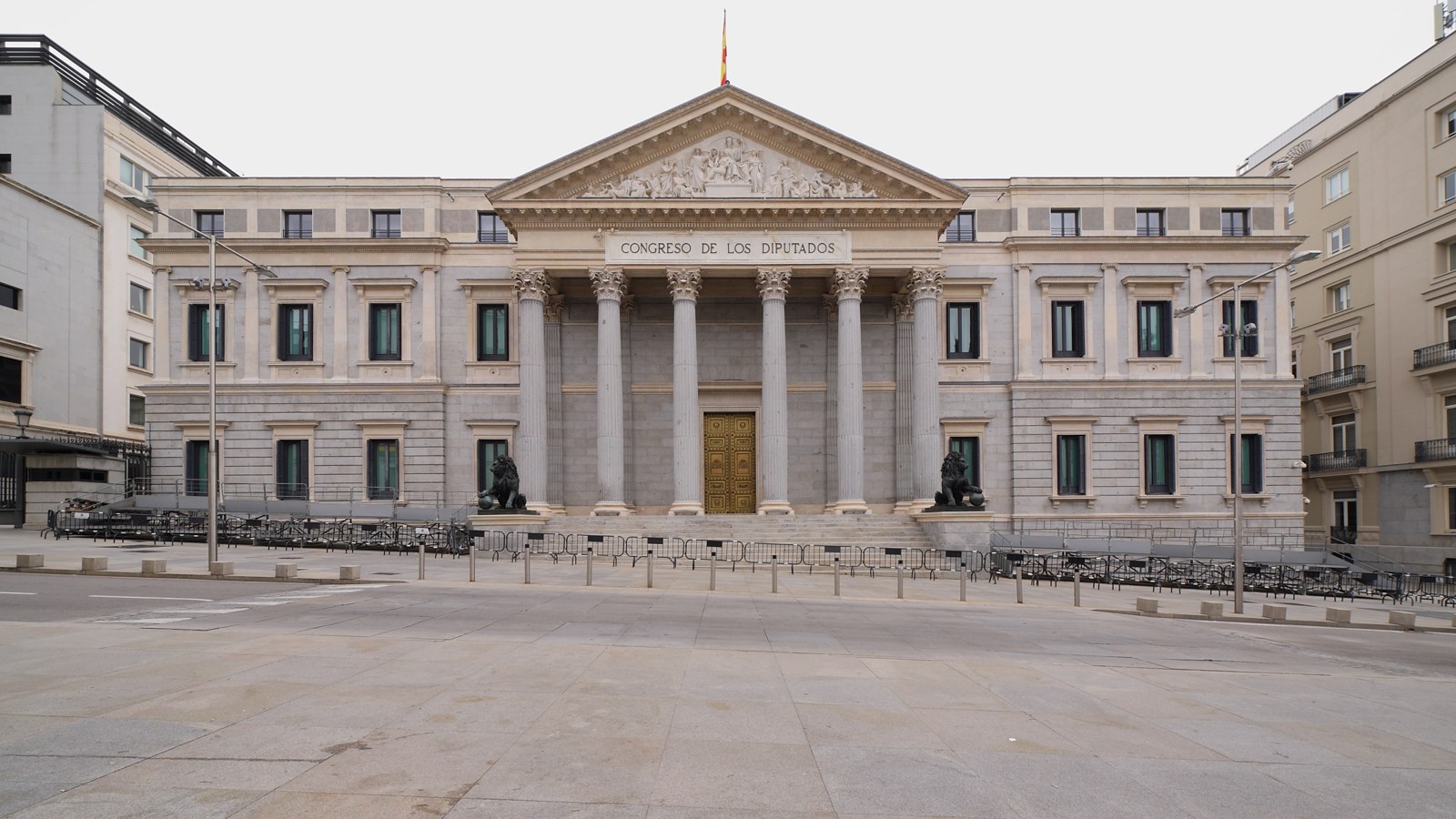
Spain will vote in a snap parliamentary election on 29 November, with Prime Minister Pedro Sánchez seeking another term and the conservative opposition hoping to assemble a governing majority.
Campaigning ended on Friday. Sánchez said he remained confident of securing a left-wing majority despite adverse polling, according to Reuters. Surveys cited in the agency’s election briefing pointed instead to the possibility of a coalition between the conservative Popular Party and the far-right Vox.
These are pre-election assessments, not results. All 350 seats in the lower house are being contested, and the allocation of seats will determine which combinations of parties can support a government.
Housing has been a central issue. Reuters reports that Sánchez called the election after parliament rejected measures intended to address rising rents and evictions. His Socialist Party supports rent restrictions, while Popular Party leader Alberto Núñez Feijóo has promoted deregulation.
Immigration and corruption investigations involving people close to Sánchez have also shaped the campaign. Sánchez has denied wrongdoing. Parties to the Socialists’ left have struggled to agree on a common electoral list, complicating the prospects for another left-led coalition.
A parliamentary victory does not automatically settle who governs. A candidate for prime minister needs at least 176 votes in the first investiture ballot, or a simple majority in a second round. Negotiations after the election may therefore prove as important as which party finishes first.


Reader comments
Subscribers can join the conversationSign in to join the conversation. Comments are open to everyone with a free account.
Sign in or create accountLoading comments…