
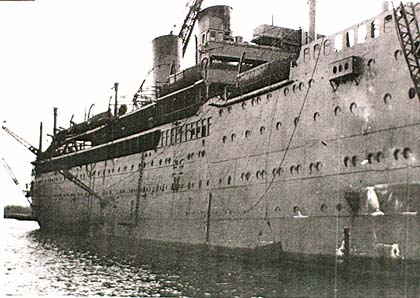
The forgotten disaster
On 2 July 1940, the liner the SS Arandora Star was torpedoed by a German submarine off the north-west coast of Ireland while transporting civilian Italian and German internees from Britain to Canada.
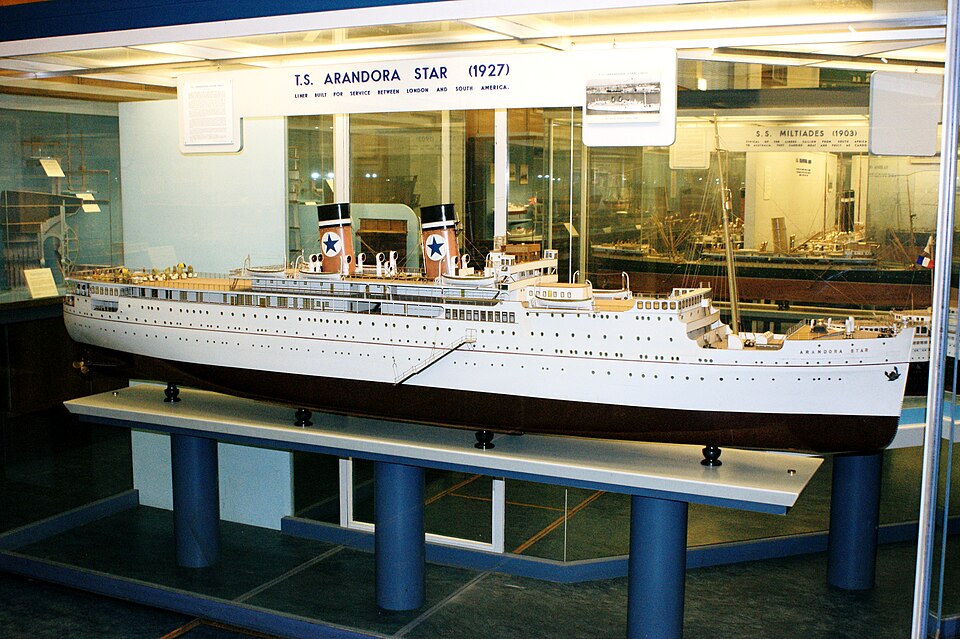
Within hours, the Liverpool-based former Blue Star passenger liner had sunk with the loss of 743 lives: 442 Italians, 150 Germans and Austrians, 92 British military guards, two Canadian guards and 57 crew members. It remains one of the largest civilian maritime disasters involving Britain during the Second World War.
In Italy, the Arandora Star is finally receiving the official recognition that eluded it for more than eight decades. In February 2026, Italy’s Chamber of Deputies unanimously approved legislation to establish a National Day of Remembrance for the victims, with the bill now before the Senate. The vote reflected a rare cross-party consensus that the tragedy deserved national recognition.
The legislation, sponsored by Brothers of Italy MP Enzo Amich, was described in the Italian Parliament as “an act of memory and justice”. Its purpose, Parliament heard, was “to keep alive the memory of the suffering of these fellow Italians, innocent victims of the dynamics of war, and to represent a permanent warning against war and in favour of friendship and cooperation between peoples, as well as a lasting testimony to the work and sacrifice of Italians abroad.”
Yet as Italy moves towards formal commemoration, an uncomfortable question remains: why has Britain never accorded the Arandora Star the same level of national recognition?
Most of the Italians on board were innocent civilians and long-term residents of Britain. Many had built their lives here long before Mussolini came to power in 1922. Some had left Italy to escape fascism; others had emigrated in search of work, stability and a better life. Yet after Mussolini declared war on Britain and France on 10 June 1940, they were suddenly treated as enemy aliens by the country they had come to call home.
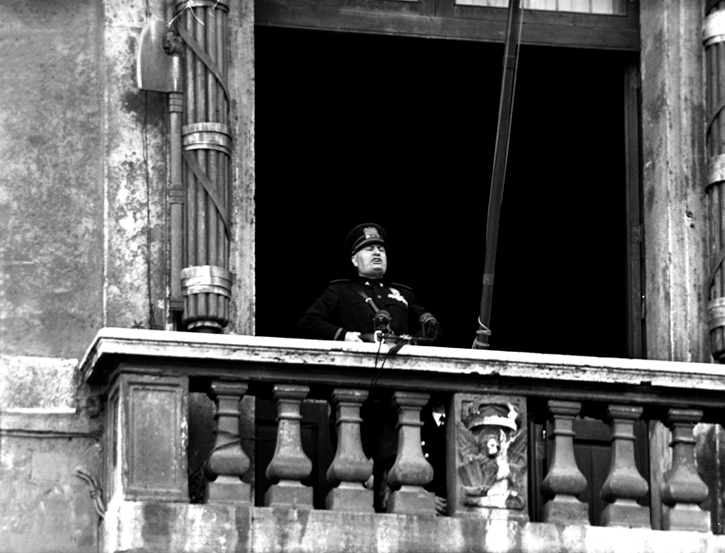
Shortly after Italy entered the war, Prime Minister Winston Churchill is widely reported to have instructed officials to “collar the lot” as fears of spies, saboteurs and a Nazi “fifth column” swept Britain following the fall of France. In the weeks that followed, thousands of German, Austrian and Italian nationals—many of them innocent civilians and long-term residents—were rounded up and interned. Most were eventually sent to camps on the Isle of Man, while others were deported overseas to Canada and Australia.
Nearly ninety years later, descendants of the men deported aboard the Arandora Star still ask why one of Britain’s greatest civilian wartime maritime tragedies remains largely absent from the nation’s memory. Every 2 July, Italian communities and descendants gather at memorial services in London, Cardiff, Glasgow, Liverpool, Teesside and Bardi, Italy, to honour those who died. Their annual acts of remembrance show that, for many families, the Arandora Star is not simply history but an enduring personal loss, carried quietly from one generation to the next.
An inherited silence
For more than thirty years, I have investigated stories in which ordinary people ask difficult questions of those in power. In many ways, the Arandora Star is the oldest unresolved story I have ever pursued.
Growing up in Manchester’s Italian community, I soon realised that the Arandora Star was never simply a chapter of history. By the time my father arrived in Britain, its name had become an unspoken wound: a scar carried by survivors, widows, children and friends. Many rarely spoke about what had happened, but their silence spoke volumes.
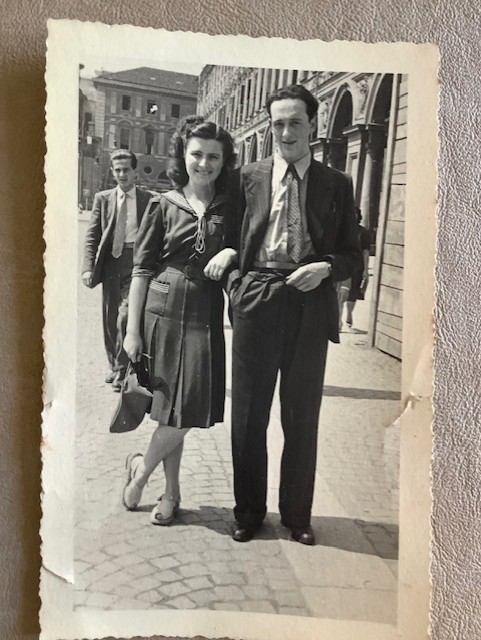
The Arandora Star became a reminder of how quickly ordinary lives could be overturned, how friendly neighbours could be recast as “enemy aliens”, and how a community that had helped build Britain could suddenly find itself vilified. Yet beyond the British Italian community, there were no major national acts of remembrance, no prominent place in school history lessons, and little recognition in the wider story Britain tells itself about the Second World War.
As the son of Italian immigrants who chose Britain as their home, and as an investigative journalist drawn to forgotten truths, I have long been troubled by the unanswered questions surrounding this tragedy. Why were hundreds of civilian Italians deported? Why were so many removed without a fresh assessment of whether they posed any genuine threat? Why was an unescorted passenger ship, painted naval grey and carrying civilian internees, sent through one of the world’s most dangerous wartime sea lanes? And why, despite the scale of the disaster and its profound impact on Britain’s Italian community, has the Arandora Star remained so little known beyond the families and communities it devastated?
Instead, the memory survived in fragments: conversations after Sunday Mass, stories around family dinner tables, and the names of hundreds of men who never came home.
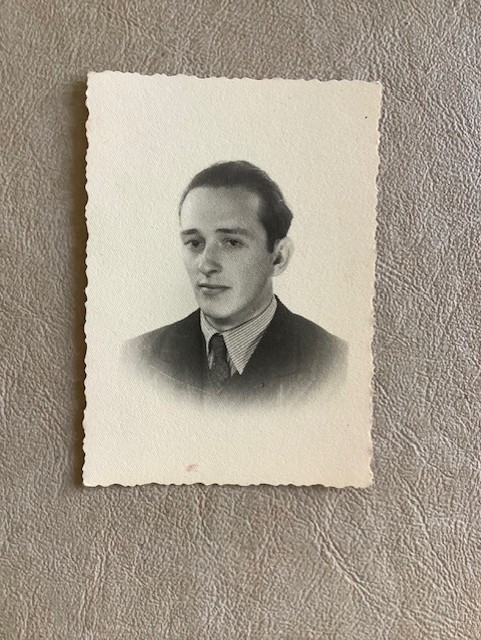
One of my father’s closest friends in Manchester was Fortunato “Nato” Granelli, a tall, elegant tailor who, like many Italian men in wartime Britain, was interned on the Isle of Man with his father. In Italian, Fortunato means “fortunate” or “lucky”. By a cruel twist of fate, he lived up to his name. While many of his friends from Manchester were selected for deportation aboard the Arandora Star, Nato was due to sail on the next transport, escaping death by little more than chance. Those who knew him believed he carried the weight of that near miss for the rest of his life. He had survived; so many of his friends had not.
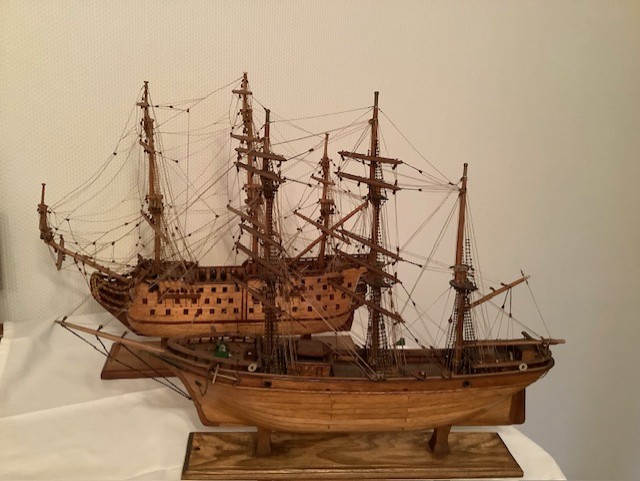
Nato rarely spoke about the four years he spent behind barbed wire on the Isle of Man. Yet in the living room of his Didsbury home, behind the glass doors of a cabinet displaying the family’s finest porcelain china, stood two exquisitely crafted model sailing ships. He had made them during his internment, painstakingly fashioning their hulls, masts and rigging from hundreds of matchsticks. Such handmade souvenirs were sometimes sold to locals in exchange for cigarettes or food. As a child, I admired his craftsmanship without asking why these small ships occupied such a prominent place in his home.
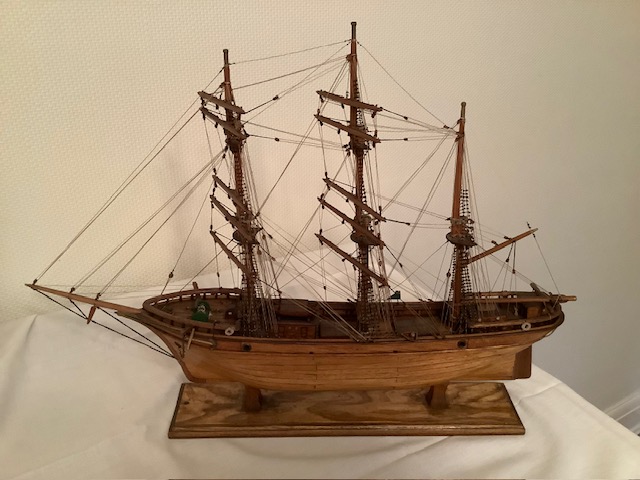
Only years later did I understand their significance. Several of Nato’s close friends from Manchester had perished aboard the Arandora Star. He escaped their fate by little more than chance, but the tragedy was never far from his thoughts. Like many who survived internment, he seemed to carry the weight of those who never returned. Looking back, I have often wondered whether those fragile ships became his quiet memorial to the friends he had lost—and to the voyage that, by chance alone, he never made.
The Arandora Star story also lived on in quiet references to fathers, brothers, sons and uncles lost at sea. Even when the words were left unspoken, the memory endured.
The first tragedy was that 743 people lost their lives in the North Atlantic. The second was that, for many families, their story seemed to disappear with them beneath the freezing waters. According to the most recent archival reconstruction by researcher Alfonso Pacitti, the dead included 442 Italians, 150 Germans and Austrians, 92 British military guards, two Canadian guards and 57 crew members.
Every community touched by tragedy carries memories that shape its identity and pass from one generation to the next.
The Welsh remember the Aberfan disaster.
Liverpool remembers Hillsborough.
Lockerbie remembers Pan Am Flight 103.
North Kensington remembers the Grenfell Tower fire.
Southeast London remembers the New Cross fire.
For Britain's Italian community, the Arandora Star is one of those defining memories.
Yet, unlike these other national tragedies, the Arandora Star has never secured a lasting place in Britain’s collective memory of the Second World War. Instead, its story has largely been preserved by the quiet determination of families who, for more than eight decades, have refused to let their loved ones—or the injustice they endured—be forgotten.
Remembrance is not about ranking one tragedy above another. It is about recognising that every community has stories worthy of dignity and acknowledgement. A nation’s history is enriched, not diminished, when it makes room for all those whose lives helped shape it.
That is why, nearly ninety years after the Arandora Star slipped beneath the Atlantic, its story still matters—not only to descendants of those who were lost, but to everyone who believes history should remember the forgotten as well as the celebrated.
Fear, internment and suspicion
To understand why, we must return to the summer of 1940.
France had fallen. Britain stood alone, facing the threat of invasion. Fear gripped the country, bringing growing anxiety about spies, saboteurs and a Nazi “fifth column”. In that atmosphere, the British government moved swiftly to intern thousands of so-called enemy aliens, including long-settled Italian civilians who had lived peacefully in Britain for decades. They were neighbours, employers, parishioners and friends. Then, almost overnight, they became suspects.
Churchill’s reported instruction to “collar the lot” came to symbolise Britain’s wartime policy of mass internment. The consequences were immediate and devastating. Fathers were taken from their homes, families torn apart, businesses built over decades brought down, and communities that had contributed to British society suddenly found their loyalty questioned. Across the country, Italian-owned businesses became targets of hostility: windows were smashed, premises looted and, in some cases, set alight.
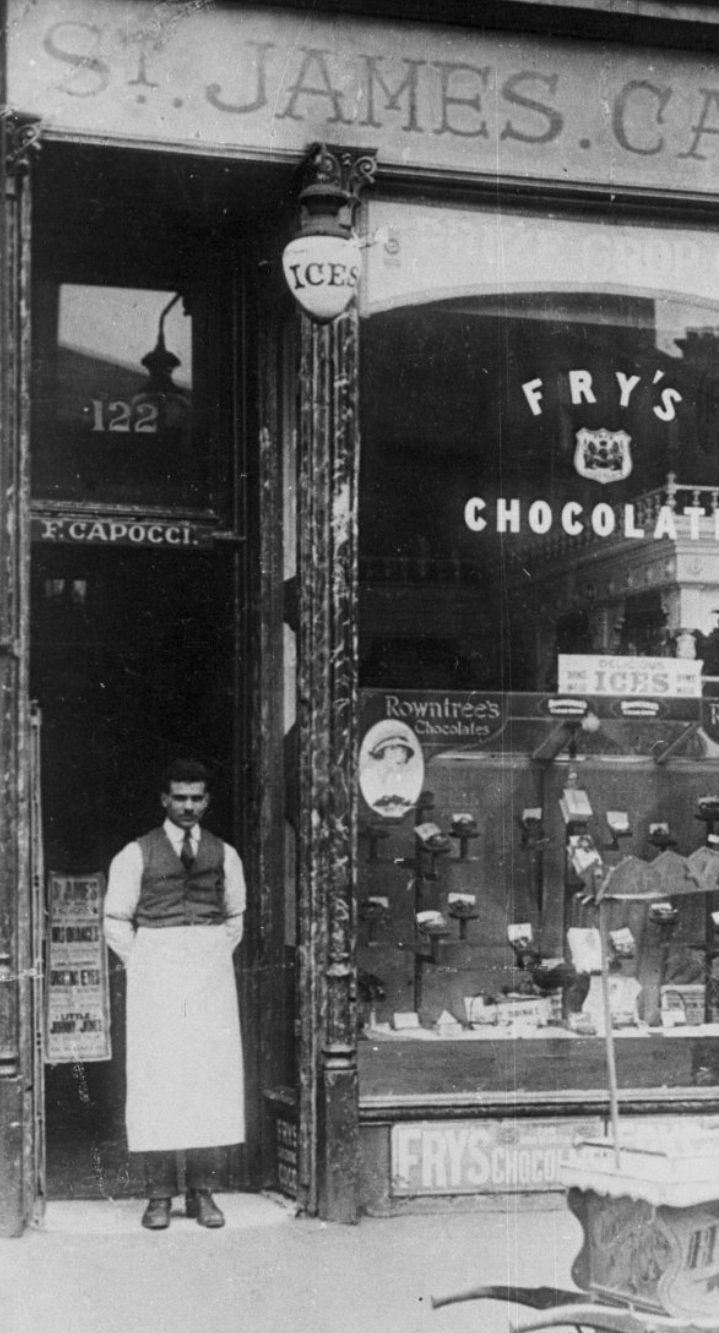
For many British Italians, the trauma extended far beyond internment itself, leaving emotional and economic scars that endured for generations.
Many of those detained posed no genuine threat to Britain’s security. Yet fear can erase individual lives. In times of national crisis, people can cease to be judged by their actions and instead become defined by the nationality stamped on their passport.
It is a lesson that still resonates. While the circumstances are very different, recent attacks on hotels housing asylum seekers and migrants have shown how quickly fear and suspicion can be directed towards entire groups. History does not repeat itself exactly, but it does show how easily individuals can be reduced to labels, and how quickly neighbours can become targets when anxiety gives way to prejudice.
The Arandora Star was the tragic consequence of that moment.
What followed entered the memory of survivors for the rest of their lives.
A tragedy at sea
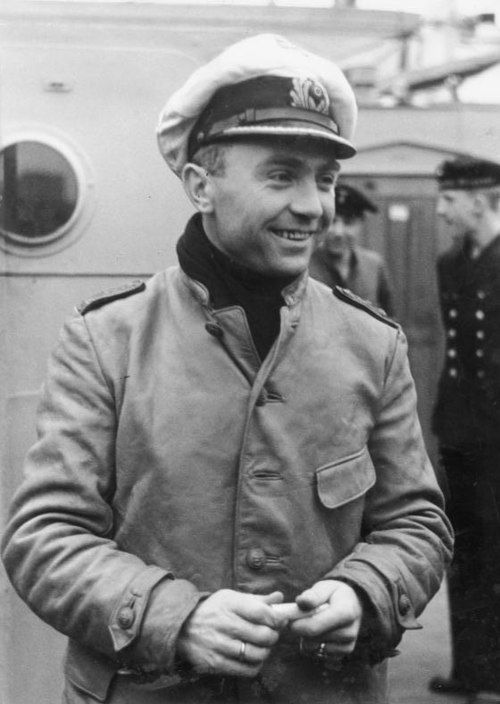
Survivors later described scenes of confusion, bravery and desperation as men struggled to escape the sinking vessel. Some clung to debris in the freezing waters; others tried to help fellow passengers despite the chaos around them. Several recalled hearing men crying out for help, praying aloud and calling for their mothers as the ship disappeared beneath the waves. For many who survived, those cries remained among their most vivid and painful memories of that terrible morning.
Within hours, hundreds of lives had been lost.
Across Britain, families waited for news.
Many would wait a long time.
Some families received little information about what had happened. Others learned of the disaster through rumours within close-knit Italian communities. Parliamentary records from the period capture the frustration and anguish of relatives searching for answers. One family told MPs: “We found that he was on the Arandora Star and posted as missing. Up to the present, we have not had any news from the authorities at all.”
For those who survived, the ordeal was not over.
One family’s story
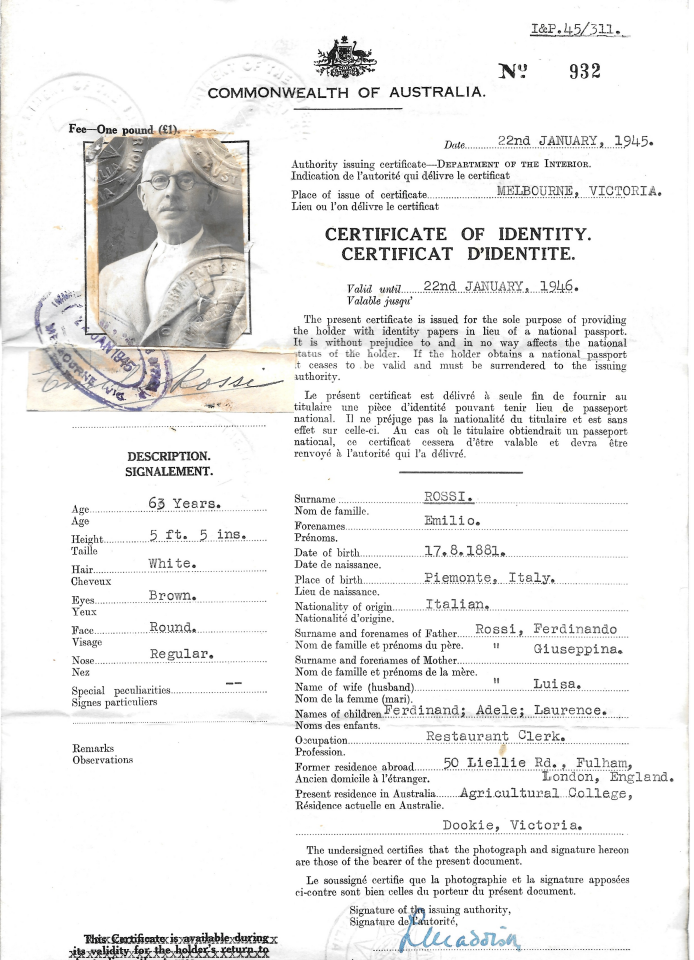
In May this year, I attended a special event at the Italian Consulate in London marking Italy’s growing recognition of the Arandora Star tragedy. Outside, I struck up a conversation with retired nurse Suzanne Davies and her husband, Hugh, from Wimbledon. When I asked what had brought them there, Suzanne quietly explained that her grandfather, Emilio Rossi, had survived the sinking. She had come to learn more about the ordeal he had rarely discussed and to honour the memory of a man whose experience had marked her family for generations.
Emilio Rossi was born in Piedmont in 1881 before making Britain his home. By 1940, he was living on Lillie Road in Fulham and working as an accountant at Café Monaco in Piccadilly Circus. Like many members of London’s Italian community, he met friends at the Italian Club in the West End over espresso, discussing events in Italy and the lives they had built in Britain.
Everything changed when Italy entered the war in June 1940. Two detectives arrived at his home and ordered him to pack a bag immediately. His family had no idea where he was being taken. There was no opportunity to say goodbye and no indication of when, or even if, they would see him again.
Only much later did the family learn the full story. Emilio had been interned and deported aboard the Arandora Star. He survived the sinking after being pulled from the sea into a lifeboat, but his ordeal was far from over. Along with many other survivors, he was deported to Australia aboard the HMT Dunera. During that eight-week voyage, many internees endured harsh treatment before facing months, and in many cases years, of captivity thousands of miles from home. Records show that from September 1940 Emilio was recovering from his injuries at Broadmeadows Military Hospital on the outskirts of Melbourne before being transferred to Tatura Internment Camp, where he remained until the end of the war. He did not return to Britain until March 1945, after almost five years in captivity.
"It was never talked about," Suzanne told me. "The family simply didn't discuss it."
For decades, that silence became another legacy of the Arandora Star.
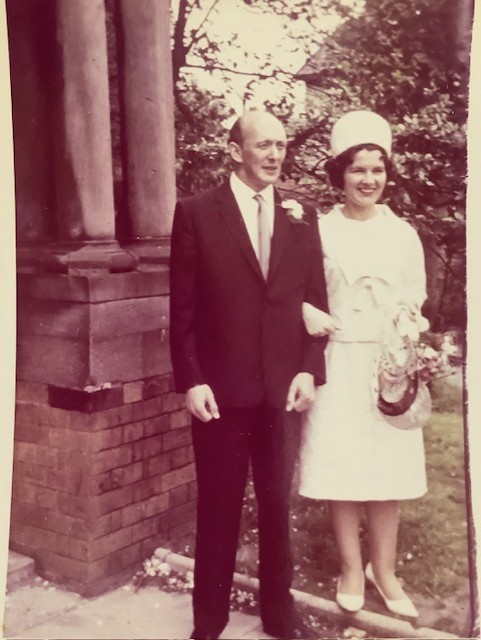
Suzanne was only four years old when Emilio died in London in October 1953, yet one image has remained with her throughout her life.
"My abiding memory of my grandfather is this gentle old man with a white beard sitting in an armchair in our house in Fulham, smiling at me," she says. "It's heartbreaking to think about everything he had been through."
She believes the trauma of those years left deep scars across the whole family.
“My grandmother never really recovered,” she recalls. “I remember being told that during the war the police even confiscated her radio.”
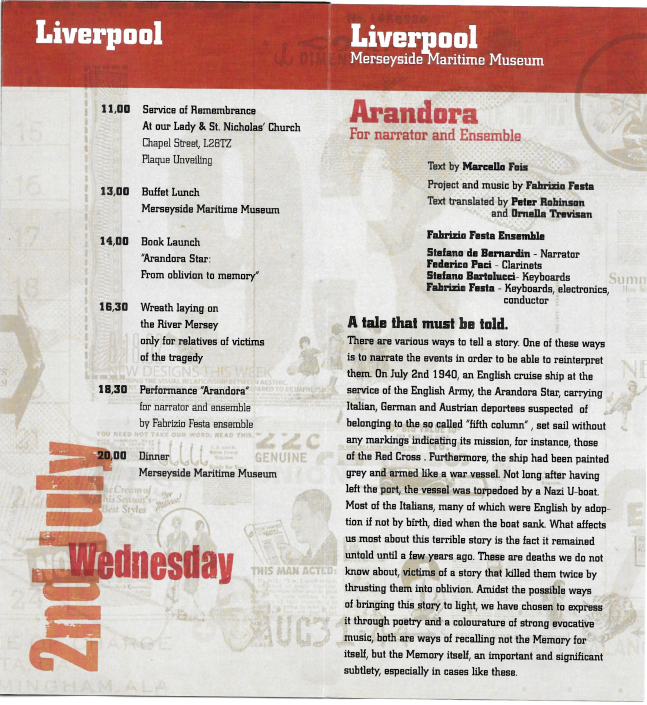
Years later, Suzanne met Rando Bertoia, widely regarded as the last surviving Italian survivor of the Arandora Star, at a memorial service in Liverpool. His quiet dignity left a lasting impression on her. Italy’s new National Day of Remembrance will be held each year on 11 October, the anniversary of Rando’s death in 2013—a symbolic tribute to the man who came to embody the memory of the tragedy’s survivors.
“I remember Rando describing my Nonno, Emilio, as such a cheerful man,” Suzanne recalls. “He got on with everyone and never complained. He simply accepted whatever life threw at him.”
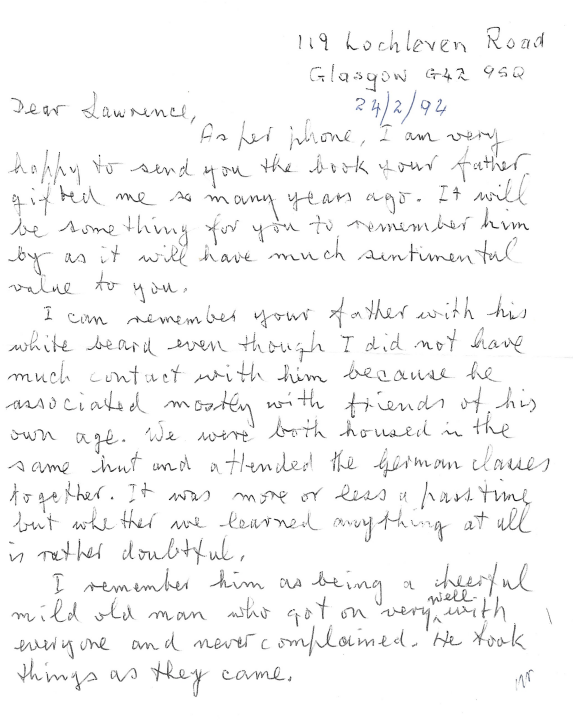
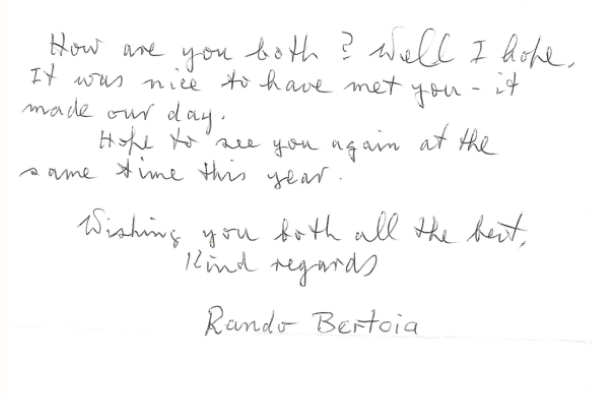
For Suzanne, however, the story is about far more than family history. She believes the British Government should formally acknowledge what happened to the innocent Italian civilians caught up in Britain's wartime internment policy.
“My grandfather was completely innocent. He went through hell,” she says. “I would love the Prime Minister to know his story. I have a photograph of Emilio in my study and I kiss it every day. I wish I’d had the chance to know him better. Whenever I think about what he endured, I become overwhelmed. All I can remember is this kind man sitting quietly in his chair, smiling at me.”
During the event at the Italian Consulate, guests also heard a recorded message from Italian MP Enzo Amich, who introduced the legislation establishing Italy’s National Day of Remembrance for the victims of the Arandora Star. For families like Suzanne’s, it represented far more than a symbolic gesture. It was official recognition that, after more than eight decades, the suffering endured by their loved ones had finally been acknowledged by the country of their birth.
Emilio's experience was far from unique. For many Arandora Star survivors, rescue from the Atlantic did not bring freedom. Instead, it marked the beginning of months, and in many cases years, of captivity thousands of miles from home.
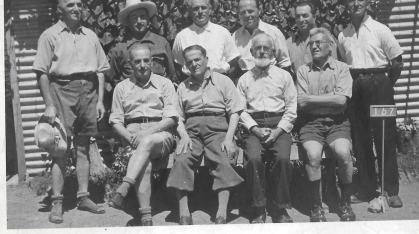
Yet perhaps the most enduring legacy was neither physical nor political.
It was the silence.
Memory kept alive
For decades, the story of the Arandora Star remained largely confined to family memory. Unlike many other wartime tragedies, it never secured a lasting place in Britain’s national consciousness. There were no major television dramas, no state commemorations and little sustained public debate about the wartime policy that placed hundreds of innocent civilians aboard a ship bound for one of the most dangerous stretches of the Atlantic.
Yet the memory endured.
It survived in families, churches and communities determined not to let those who died be forgotten. In Liverpool, memorial services continued. In London, annual Masses were held at St Peter’s Italian Church in Clerkenwell. Memorials in Cardiff, Glasgow and Middlesbrough honoured those who never returned, while in Bardi, the northern Italian town from which so many victims came, their names and stories passed from one generation to the next.
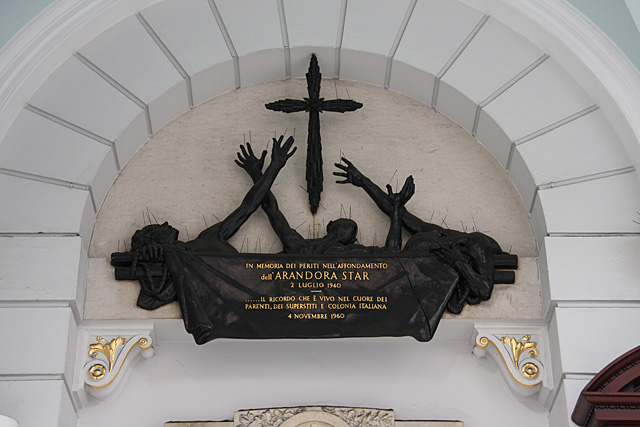
For the descendants of those who died aboard the Arandora Star, remembrance became an act of preservation. They safeguarded names, stories and a chapter of British history that might otherwise have been lost beneath the waves.
But remembrance remained largely local, sustained by the families and communities most deeply affected, while the wider country gradually moved on.
Who remembers? More importantly, who decides what is remembered?
Those questions lie at the heart of this story. Every community carries memories that help define its identity. They are not only about loss, but also about belonging, continuity and the values a society chooses to honour.
Remembering the Arandora Star is not about ranking one tragedy above another or assigning inherited guilt. It is about acknowledging that every life mattered, recognising the suffering endured by innocent civilians and their families, and learning from a chapter of history that still speaks to the present. To remember is not simply to look back. It is to ensure that injustice is neither forgotten nor repeated.
As another anniversary arrives, many of the questions that trouble descendants today are the very same questions their grandparents first asked in 1940.
Why were long-settled civilians deported at all?
Why were many men selected for removal without ever appearing before a tribunal?
Why was a ship carrying civilian internees sent into the Atlantic without escort?
Why was it not marked in a way that made clear it was carrying civilians?
And why, despite decades of campaigning by descendants, historians and community groups, has there never been a formal British government apology?
The search for recognition
For many grandchildren and great-grandchildren of those who died, the search for answers has itself become an act of remembrance. They are not seeking to rewrite history. They are seeking to understand it.
As long as important questions remain unresolved, speculation inevitably fills the gaps. Historians continue to debate the decision-making that led to the disaster, while descendants continue to ask whether the full story has ever been told.
Among those working to preserve the victims’ memory is Domenico Pini, chair and founding trustee of the London Arandora Star Memorial Trust, and the son of Arandora Star survivor Serafino Pini. Like many descendants and campaigners, he has argued for remembrance, recognition and a fuller public understanding of what happened.
For many families, the principal demand is not financial compensation but official recognition and a formal apology. They note that successive Prime Ministers have publicly apologised on behalf of the British state for other historic injustices and institutional failures, from Bloody Sunday and Hillsborough to the Windrush scandal, the infected blood scandal and, more recently, the Grenfell Tower fire. They ask a simple question: if those tragedies deserved official acknowledgement and apology, why should the innocent victims of the Arandora Star be treated differently?
Whatever the reasons for that silence, one fact remains. As the ninetieth anniversary approaches, descendants of those who perished are still seeking answers—not only about how their fathers, grandfathers and great-grandfathers died, but why their fate has remained on the margins of Britain’s public memory for so long.
That question has acquired a renewed urgency in recent years.
Italy remembers, Britain hesitates
In Italy, meanwhile, the Arandora Star is finally receiving the official recognition that eluded it for more than eight decades. In February 2026, the Italian Chamber of Deputies overwhelmingly approved legislation establishing a National Day of Remembrance to honour the victims of the disaster. The bill has since moved to the Senate for further consideration.
The symbolism is profound. For generations, the memory of the Arandora Star survived because descendants, local communities and historians refused to let the story be forgotten. It is now beginning to take its place within Italy’s national historical consciousness.
That development raises an uncomfortable question for Britain. If Italy is prepared to formally commemorate the victims of the Arandora Star, why does the tragedy remain so little known in the country whose wartime policies helped place those men aboard the ship?
This is not an argument for rewriting history or assigning blame with the benefit of hindsight. The Second World War confronted governments with decisions of immense complexity, taken under the shadow of invasion and national survival. But recognising those pressures should not prevent us from examining the decisions honestly, acknowledging their human consequences, or asking why this chapter of British history has remained so little understood. Democracies are strengthened, not diminished, when they confront uncomfortable truths.
Why the story still matters
At school, I learned about the Second World War. We studied the Blitz, the Battle of Britain, Dunkirk and D-Day, and were taught that Winston Churchill was Britain’s great wartime leader. What we were never taught was Churchill’s policy of internment, or how that policy ultimately contributed to the Arandora Star disaster.
It was my father who introduced me to the men who bore witness to that forgotten chapter of history: friends such as Fortunato “Nato” Granelli and others like Emilio Rossi whose lives had been shaped by internment, loss and survival. They became my personal history teachers. Through their memories, I came to understand that history is found not only in official documents, photographs, letters and archives, but also around family tables, in church halls and in the quiet recollections of ordinary people whose experiences rarely make it into textbooks.
Looking back, I suspect those conversations helped shape the journalist I became. They taught me that journalism, at its best, gives voice to those who might otherwise be forgotten, challenges accepted narratives, and bears witness to stories history has left in the shadows.
My father also taught me something every journalist should remember democracies are not diminished by difficult questions. They are strengthened by them. That lesson has guided my entire professional life.
For more than three decades, I have investigated failures of power and accountability. I have reported on corruption, injustice and institutional wrongdoing. Again and again, I have seen that societies are strengthened—not weakened—when uncomfortable truths are acknowledged rather than ignored.
That is why the Arandora Star matters. Its legacy reaches beyond one wartime tragedy. It reminds us how fear can shape political decisions, how emergencies can place civil liberties under pressure, and how entire communities can become vulnerable when individuals are judged by nationality rather than by their actions.
Those are not simply questions for historians. They remain questions for our own time. Across Europe and beyond, debates about migration, national security, identity and belonging continue to shape public life. The circumstances are different, but the underlying dilemmas remain familiar.
Journalists often say that news is the first draft of history. Remembrance gives us the chance to revisit that history with evidence, perspective and compassion. The Arandora Star deserves that chance—not to rewrite Britain’s past, but to complete it by giving voice to those too often left out of the national story.
Perhaps the true measure of a democracy is not whether it makes mistakes, but whether it has the honesty to confront them, the humility to acknowledge them and the courage to ensure they are never forgotten.
Dedication
For my father, Pietro Ulleri, whose love of Britain never diminished his pride in his Sardinian roots, and who taught me that remembering our history is part of understanding who we are. And for all the families who, year after year, keep alive the memory of those who never came home from the Arandora Star.
Reader comments
Subscribers can join the conversationSign in to join the conversation. Comments are open to everyone with a free account.
Sign in or create accountLoading comments…