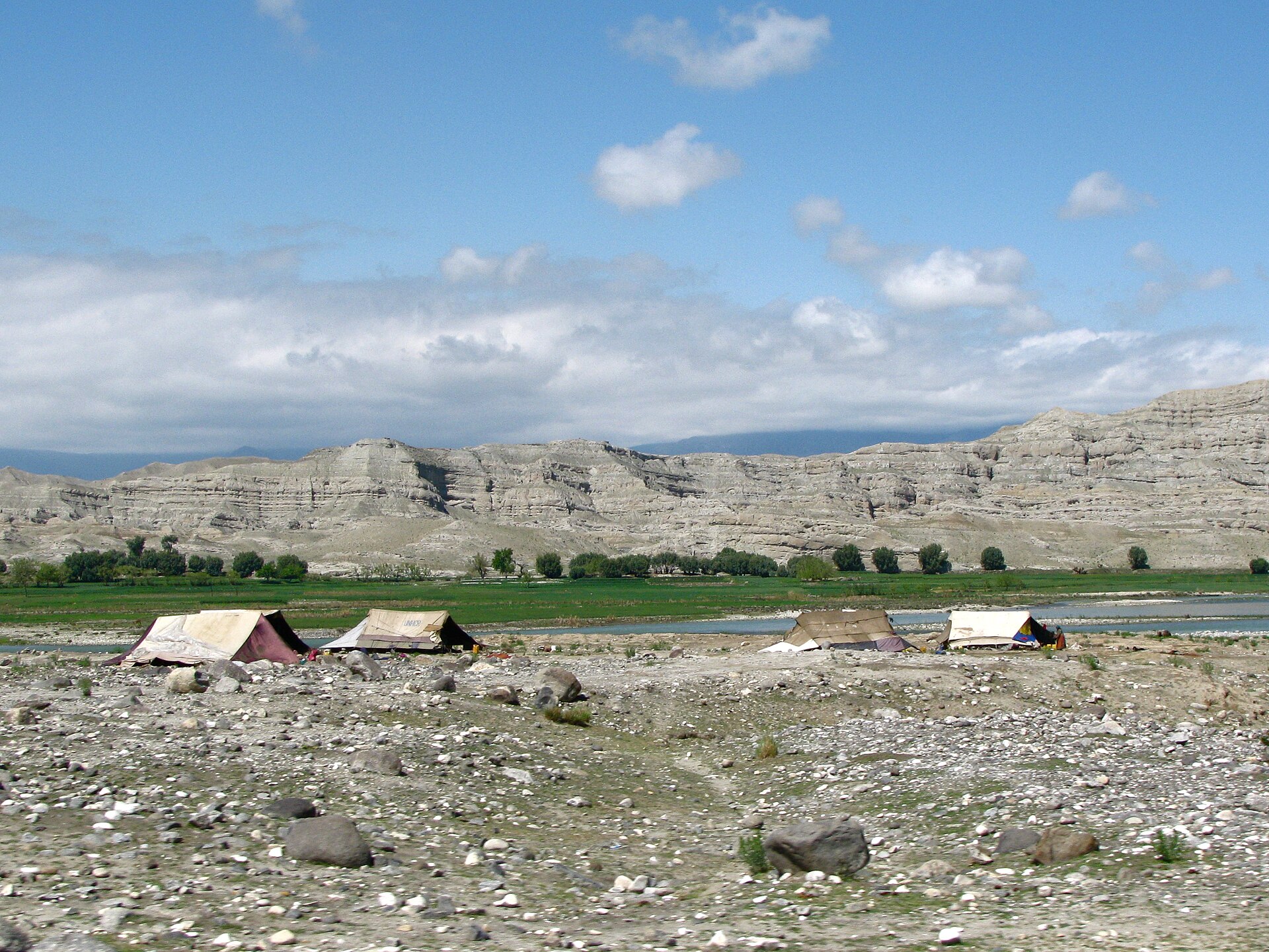
Nearly 90 million forcibly displaced people are living in countries increasingly exposed to drought, floods and extreme heat, the UN refugee agency said on Friday, warning that climate risks are compounding existing pressures on people forced from home.
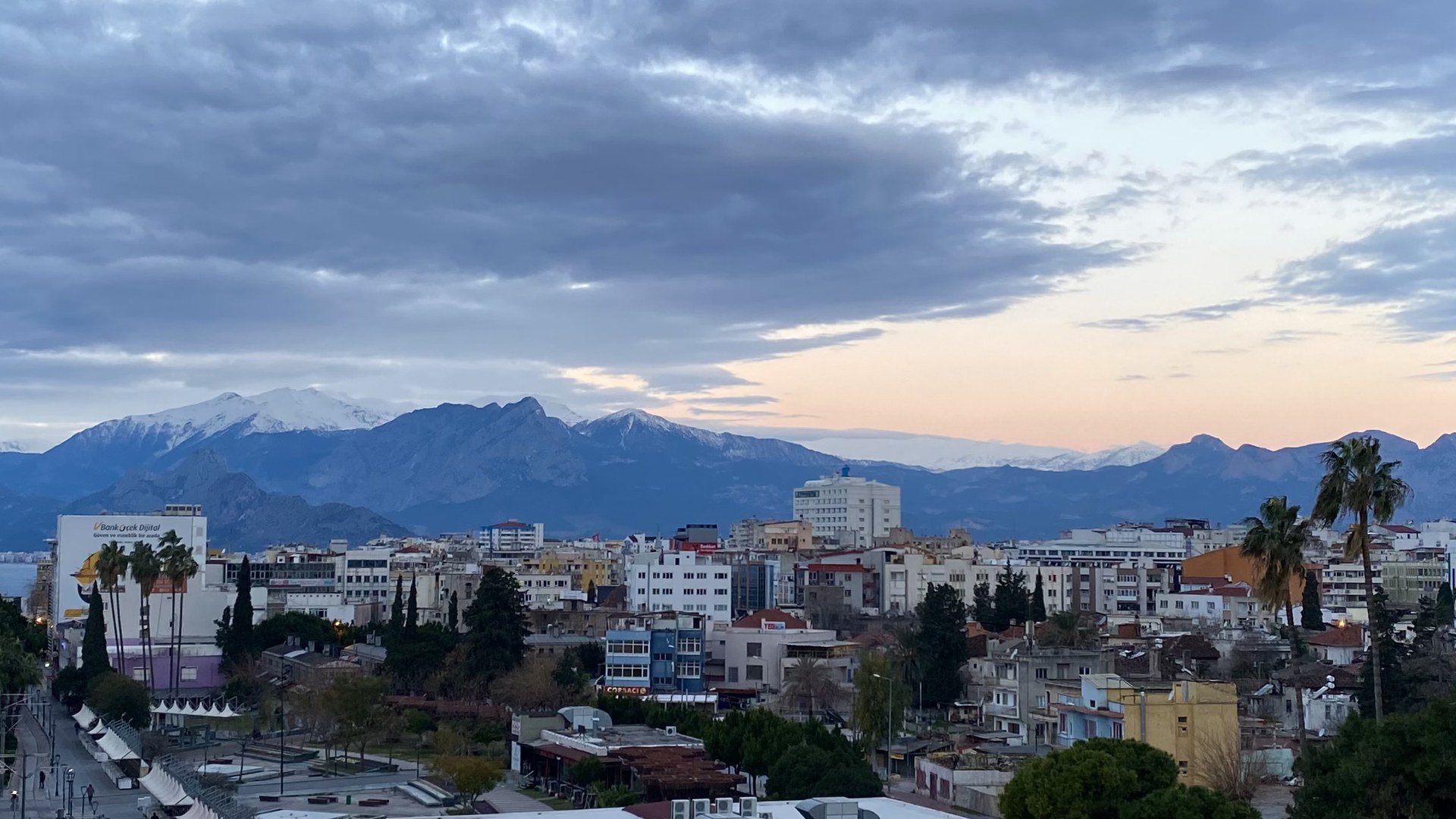
The figure comes from a UNHCR report released ahead of the COP31 climate summit in Antalya, Türkiye. The agency said nearly three-quarters of the world’s forcibly displaced people live in countries facing severe climate-related risks, including Afghanistan and Bangladesh. The finding describes exposure across countries; it does not mean climate change was the sole reason each person was displaced.
The report also links climate hazards to the sustainability of return. More than two-thirds of refugee returns in the first half of 2026 were to countries highly exposed to climate hazards, UNHCR said. In Syria, the agency cited water scarcity and erratic rainfall alongside flooding that damaged homes and displaced people in May.
Adaptation funding is the policy test
UNHCR is calling on governments and climate-finance institutions to direct more adaptation funding to fragile and conflict-affected areas. The agency said only about 10% of climate finance reaches those countries, despite their exposure and limited capacity to prepare for extreme heat, water shortages and floods.
Climate hazards do not replace conflict, persecution or other causes of forced displacement. They can intensify existing vulnerabilities, make shelter and livelihoods less secure, and complicate a safe return. The agency’s warning is that funding and planning need to account for these overlapping risks, rather than treating climate adaptation and displacement response as separate agendas.
COP31 is scheduled for 9–20 November in Antalya. The question for negotiators is whether commitments translate into accessible finance for communities already coping with displacement and repeated climate shocks.

Reader comments
Subscribers can join the conversationSign in to join the conversation. Comments are open to everyone with a free account.
Sign in or create accountLoading comments…