New national records
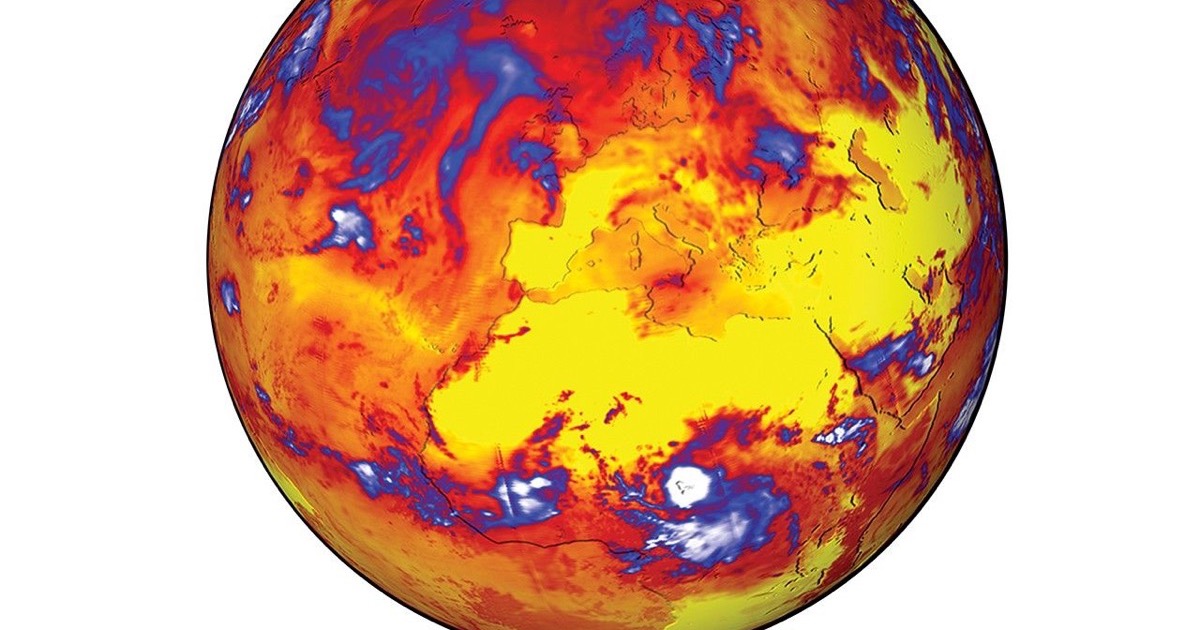
Slovakia and Austria have recorded their highest temperatures, with readings above 41C during an intense period of heat and dryness across Central Europe. The temperature reached 41.4C at Kamenica nad Hronom in Slovakia and 41.2C at Bad Deutsch-Altenburg in Austria, according to national weather information reported by the Associated Press. The readings were subject to the normal validation process used for national records.
Hot days and hot nights
Slovakia also reported an overnight minimum of 28.4C at Skalica, a national record for a warm night. High nighttime temperatures can be especially dangerous because people, buildings and urban surfaces have less opportunity to cool before the next day. The health burden is greatest for older people, young children, outdoor workers and those with cardiovascular or respiratory conditions. Heat can also reduce sleep, raise electricity demand and worsen air quality.
Dryness and wildfire risk
The heat has combined with dry vegetation and low soil moisture in parts of Europe, increasing the risk that fires start and spread quickly. Agricultural losses, pressure on water supplies and transport disruption can continue after temperatures fall. Weather agencies and emergency services use warnings to reduce exposure and prepare hospitals, firefighters and local authorities. The operational details vary by country, so readers should rely on national and local agencies for current safety instructions.
Europe’s warming climate
Europe is the fastest-warming continent, according to major climate assessments. Human-driven warming is increasing the frequency and intensity of extreme heat, although the precise contribution to an individual event requires formal attribution analysis. That distinction matters. Climate change does not determine the exact temperature at one weather station, but it shifts the background conditions in which record-breaking heat becomes more likely.
Infrastructure under pressure
Many European buildings, railways and power systems were designed for a cooler climate. Prolonged heat can buckle tracks, damage roads, reduce river transport and increase demand for cooling at the same time as power infrastructure is stressed. Cities face an additional challenge because concrete and asphalt store heat. Trees, shaded public space, reflective surfaces and better-insulated buildings can reduce risk, but adaptation takes years and requires sustained investment.
A record that may not stand for long
National records are important markers, but the deeper issue is the sequence of extremes. Repeated heatwaves create cumulative effects on health, agriculture and ecosystems even when each event lasts only days. Slovakia’s 41.4C and Austria’s 41.2C readings are therefore more than isolated numbers. They show how Central Europe’s climate baseline is changing and how quickly public services must adapt to conditions once treated as exceptional.
Reader comments
Subscribers can join the conversationSign in to join the conversation. Comments are open to everyone with a free account.
Sign in or create accountLoading comments…