An emergency barrier in the Danube
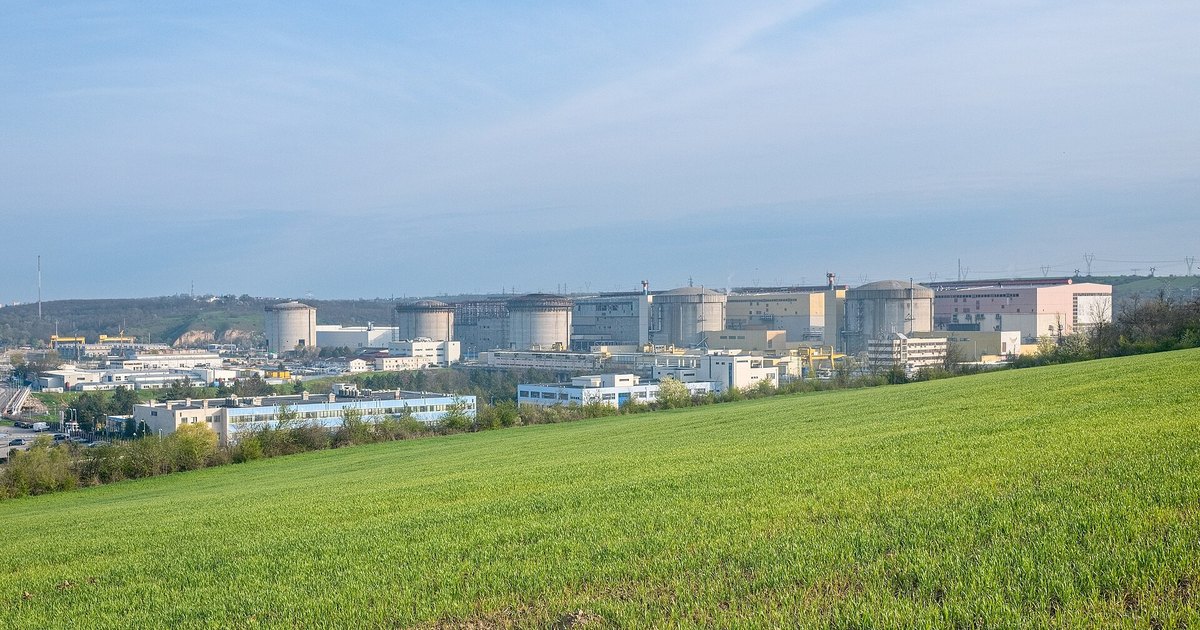
Romania is racing to sink four barges filled with rock into the Danube in an attempt to redirect more water toward the Cernavodă nuclear power plant, where exceptionally low river levels have already forced one reactor offline.
The barges are intended to form an underwater barrier near the Bala Canal, pushing a larger share of the river's flow into the main channel and downstream toward Cernavodă. The rock used to load them came from material blasted by the Romanian military during earlier work on the river.
The second reactor is running out of margin
Plant director Romeo Urjan said on Thursday that the Danube level had fallen by about two centimetres in a day. Without the barrier, he estimated that the second reactor might have to shut down in five to six days.
If the barges provide enough additional water, the operating window could extend to roughly nine or ten days from Thursday. The effect is not immediate because Cernavodă is about 60 kilometres downstream and the redirected water can take around a day to reach the plant.
A river at exceptionally low flow
The Danube's flow in Romania has fallen to about 1,400 cubic metres per second, less than one-third of the level typical for this point in the year, according to the Associated Press. Extreme heat and low rainfall have pushed rivers across parts of Eastern Europe to unusually low levels.
Cernavodă relies on Danube water for reactor cooling. Romania's Energy Ministry has said the remaining unit will stay connected to the national grid only while hydrological and technical conditions allow it to operate within full equipment-safety standards.
The improvised barrier is designed to buy days of operating time, showing how a river-level crisis can become an electricity-system problem within hours.
Why Cernavodă matters to the grid
When both reactors are operating, the state-owned plant accounts for about one-fifth of Romania's electricity generation. Losing the second unit would therefore remove a major source of steady power at a time when heat is also increasing demand and neighbouring countries face their own energy pressures.
The government declared a nationwide alert in the energy sector on 31 July and has sought additional domestic generation and imports. Acting Prime Minister Ilie Bolojan has also asked households and local authorities to reduce electricity use voluntarily during peak evening hours.
Buying time against the drought
Dredging and the barge barrier are designed to preserve enough flow to keep Unit 2 operating while authorities wait for hydrological conditions to improve. Their value is measured in days rather than a permanent restoration of river levels.
That makes the operation a striking example of climate and energy systems colliding. A prolonged period of heat and low rainfall has reduced a major European river to the point where engineers are physically reshaping its flow to protect national electricity supply.
Reader comments
Subscribers can join the conversationSign in to join the conversation. Comments are open to everyone with a free account.
Sign in or create accountLoading comments…