A strong July
UK new-car registrations rose 11.7% year on year in July to 156,571 vehicles, extending the market’s run of growth and delivering a particularly strong month for electric cars. Private purchases increased by 12.6%, while fleet registrations rose 9.5%, according to figures reported from the Society of Motor Manufacturers and Traders. The expansion was the eighth consecutive month of growth.
Electric sales accelerate
Battery-electric registrations jumped 44.5% to 43,106, giving fully electric cars a 27.5% share of the market. That was reported as the strongest July on record for the category. Plug-in hybrid registrations rose 33.6%, while conventional hybrids grew 11.6%. The figures show consumers and fleets continuing to shift toward vehicles that can drive partly or entirely on electric power. The gains also reflect a broadening range of models and continued manufacturer incentives. More affordable electric vehicles are entering the market, while company-car tax rules and fleet procurement have helped sustain demand.
The discounting question
The industry has warned that headline growth is being supported by expensive discounts. Manufacturers face targets under the zero-emission vehicle mandate and can be penalised if the share of qualifying sales falls short, although flexibilities exist. That creates an incentive to reduce prices, subsidise finance or redirect supply. Such measures can help consumers in the short term, but they can also squeeze margins and make it difficult to judge the underlying level of demand.
Petrol and diesel continue to lose share
The growth of electric and hybrid vehicles means petrol and diesel models are taking a smaller portion of registrations. Internal-combustion cars still make up a substantial part of the market, but their long-term direction is shaped by tax policy, emissions rules and the planned transition away from new conventional vehicles. Consumer decisions remain influenced by purchase price, charging access, insurance, depreciation and confidence in battery range. A national sales target cannot remove those practical considerations.
Infrastructure and policy
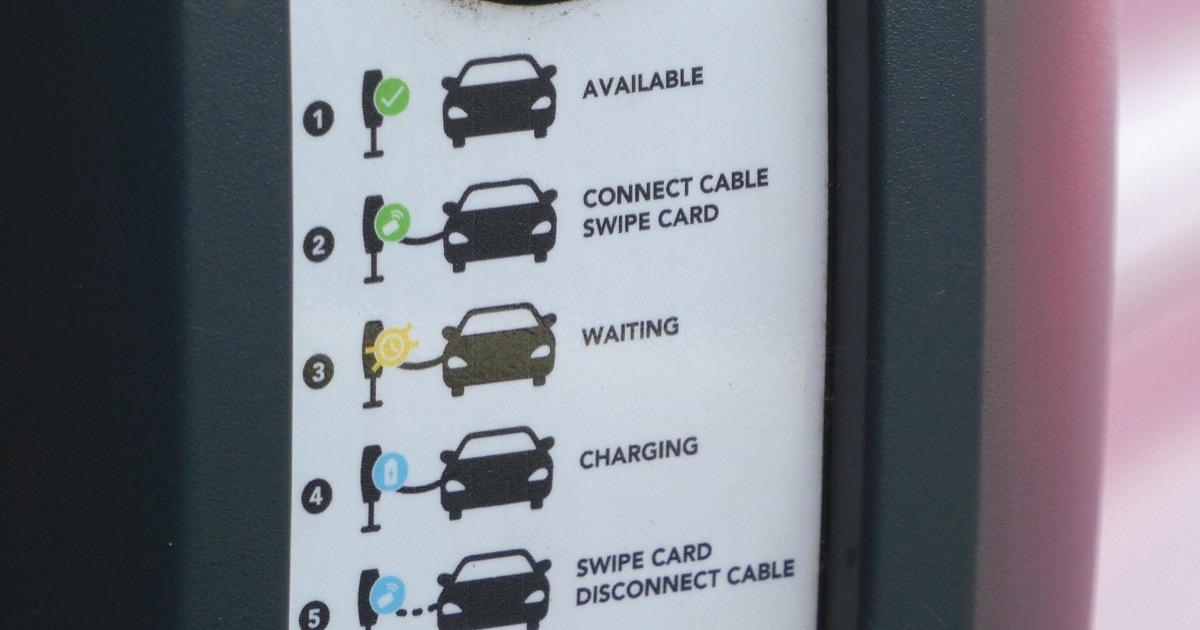
The market’s next phase will depend partly on the speed and reliability of charging deployment. Drivers without off-street parking need convenient public charging, while fleets require depot capacity and predictable electricity costs. The July data therefore tell two stories. Electric vehicles are gaining market share quickly, and the wider car market is growing. At the same time, the cost of generating that demand remains high. The transition will be more durable when buyers choose electric vehicles because the overall proposition is stronger, not only because manufacturers are paying to close the gap.


Reader comments
Subscribers can join the conversationSign in to join the conversation. Comments are open to everyone with a free account.
Sign in or create accountLoading comments…