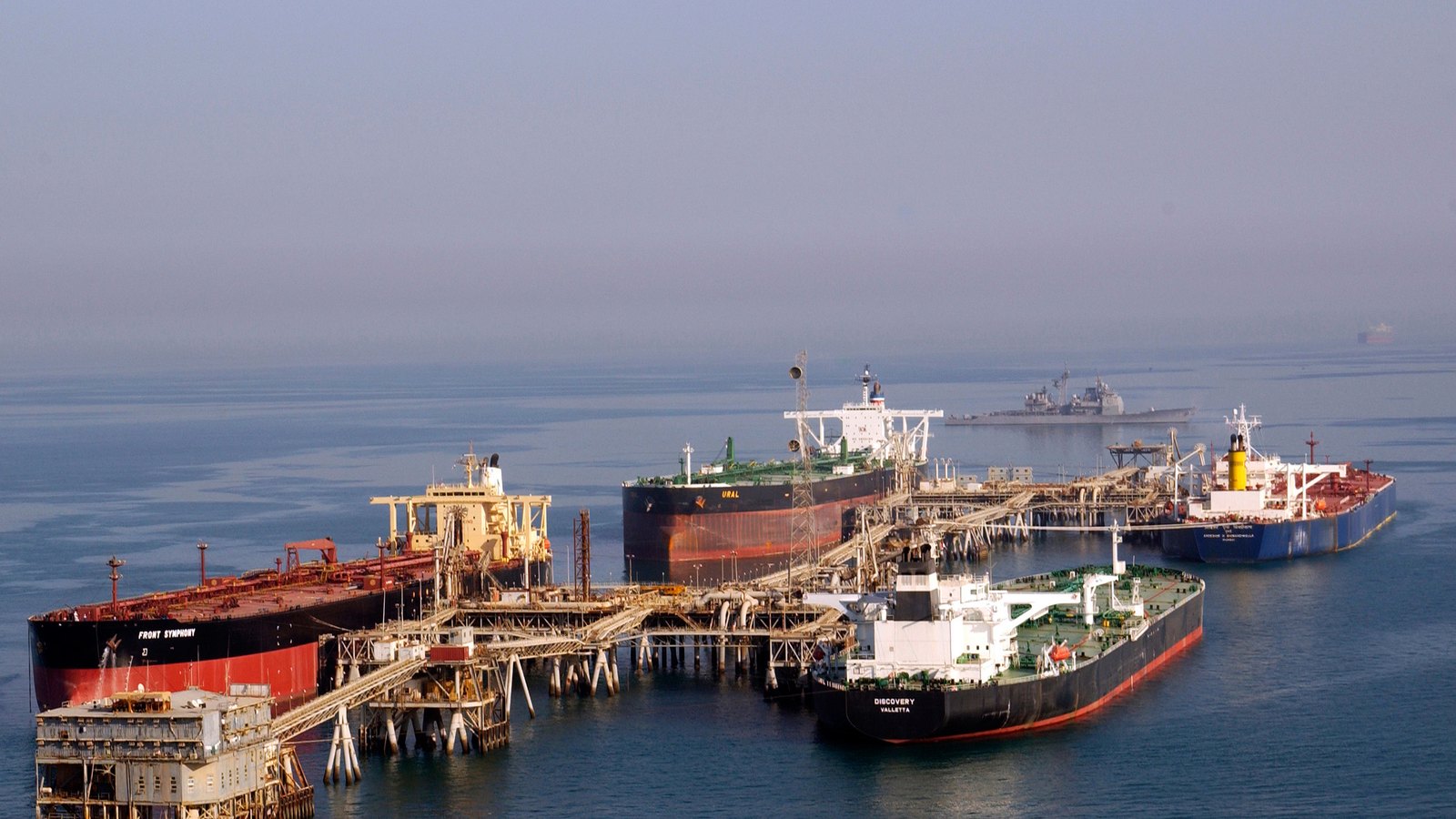
Iran has granted permission for a number of Iraqi oil tankers to pass through the Strait of Hormuz, creating a narrow exception in a waterway where commercial traffic remains heavily restricted.
Iran’s state news agency IRNA reported the permissions after repeated requests from Baghdad, Reuters said on Saturday. The report connected the request to a visit by Iraqi parliamentary speaker Mohammad Baqer Qalibaf. Iraqi President Nizar Amedi separately said Iran had facilitated the passage of vessels carrying Iraqi oil in recent days, while warning that the issue remained complicated.
The wording matters. The report concerns a number of Iraqi tankers, not all vessels and not a general reopening of the strait. Reuters reported that traffic remained significantly below pre-war levels and that ships continued to face attacks in the area. A limited permission regime can allow selected cargoes to move while leaving the wider maritime system effectively constrained.
For Iraq, the stakes are immediate. The country produced about four million barrels of oil per day before the Iran war, and its export system has been hit by the effective closure of the main Gulf route. Baghdad is trying to expand alternatives through Turkey’s Ceyhan port and explore routes through Syria, Jordan and other corridors, but those options cannot instantly replace a direct maritime outlet.
For Iran, granting permission to selected Iraqi vessels shows that the strait is not governed by a single binary switch. Tehran can create exceptions for political, economic or humanitarian reasons while keeping the broader pressure on regional shipping. That flexibility gives Iran leverage, but it also makes every voyage dependent on permissions that may be difficult for insurers and operators to predict.
The passage is therefore a shipping development and a diplomatic signal. Baghdad needs to keep its exports moving without appearing to challenge Tehran’s control over the route. Tehran can demonstrate that it is willing to accommodate a neighbour while maintaining its wider confrontation with the United States and other regional actors. The result is a small channel of commerce inside a much larger strategic blockade.
Markets and shipping companies will be watching for evidence of repetition. A handful of authorised voyages would confirm a limited exception. A broader sequence of safe passages, accompanied by clearer instructions from maritime authorities, would suggest a more meaningful opening. New attacks, delays or denials would point in the opposite direction.
For now, the verified description is deliberately modest: Iran has reportedly allowed some Iraqi oil tankers to pass after Baghdad’s requests, Iraqi officials say recent passages were facilitated, and the strait remains well below normal traffic. The story is not that Hormuz is open. It is that a tightly controlled exception has appeared in a route on which the global energy system still depends.
Reader comments
Subscribers can join the conversationSign in to join the conversation. Comments are open to everyone with a free account.
Sign in or create accountLoading comments…