UK inflation fell to 2.6% in June, giving households and the government a measure of relief after months of pressure from food, transport and energy costs.
The Office for National Statistics said the Consumer Prices Index rose by 2.6% in the 12 months to June, down from 2.8% in May. On a monthly basis, prices increased by 0.1%, compared with a 0.3% rise in June last year.
The broader CPIH measure, which includes owner-occupiers' housing costs, slowed from 3.0% to 2.8%. Both headline measures were last lower in late 2024.
Transport, food and non-alcoholic beverages made the largest downward contributions to the change. The transport inflation rate slowed from 6.8% to 5.7%, with motor fuels playing an especially important role.
Average diesel prices fell by 10.7 pence a litre between May and June, leaving the average price at 176.4 pence. Petrol prices also declined, although less sharply. For motorists and businesses exposed to delivery and logistics costs, those falls provide immediate relief.
Food and non-alcoholic beverage inflation fell from 2.2% to 1.7%, its lowest level since August 2024. Food prices declined by 0.2% during June, compared with a rise of 0.3% in the same month last year. Clothing and footwear prices were also lower than a year earlier.
The figures do not mean the inflation problem has disappeared. Core CPI, which strips out energy, food, alcohol and tobacco, remained at 2.6%. Services inflation eased only slightly, from 3.7% to 3.6%, indicating that domestically generated pressure remains persistent.
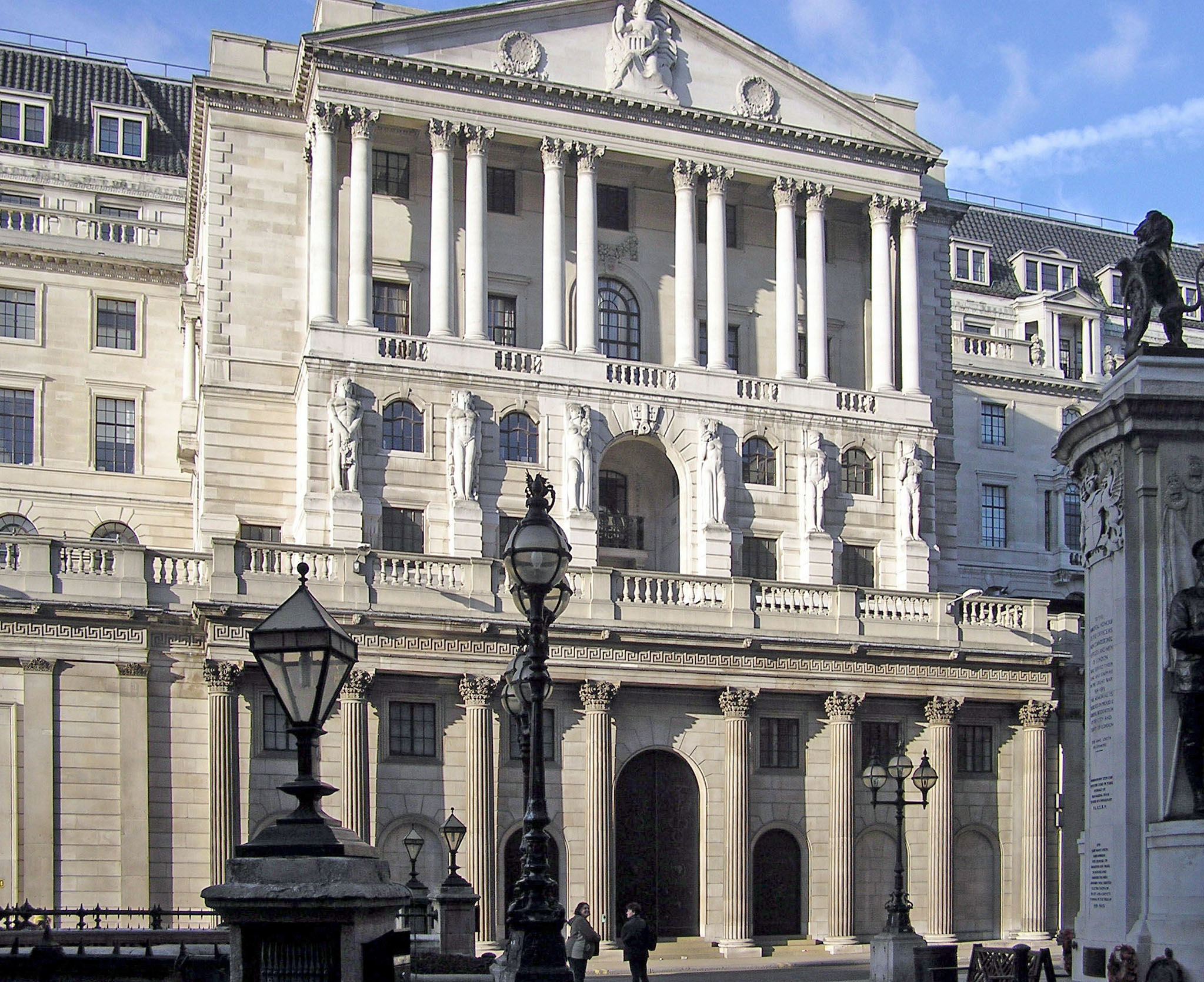
That distinction matters for the Bank of England. Headline inflation can move quickly when fuel or food prices change, but services prices are influenced by wages, rents and business costs that tend to adjust more slowly.
The decline will nevertheless be welcomed by a government facing continuing cost-of-living pressure. It may also strengthen expectations that monetary policy can become less restrictive if the downward trend proves durable.
The outlook remains vulnerable to events beyond Britain. Renewed conflict in the Middle East has already raised concern about oil and shipping costs, while higher household energy charges could feed into future inflation readings.
The figures therefore offer relief, not victory. Consumers are seeing slower price growth, but that is not the same as falling prices across the economy. Many household costs remain considerably higher than they were several years ago.
The next test will be whether lower fuel and food inflation persists while services inflation continues to ease. If that happens, June may mark the beginning of a more convincing improvement. If energy markets turn sharply higher, the respite could prove temporary.


Reader comments
Subscribers can join the conversationSign in to join the conversation. Comments are open to everyone with a free account.
Sign in or create accountLoading comments…