The Environment Agency has begun criminal proceedings against four former Southern Water employees, including former chief executive Matthew Wright, over allegations that wastewater compliance testing was deliberately manipulated.
The four defendants face a charge of conspiracy to defraud the Environment Agency and the water regulator Ofwat. The alleged conduct took place between 1 January 2012 and 31 December 2017.
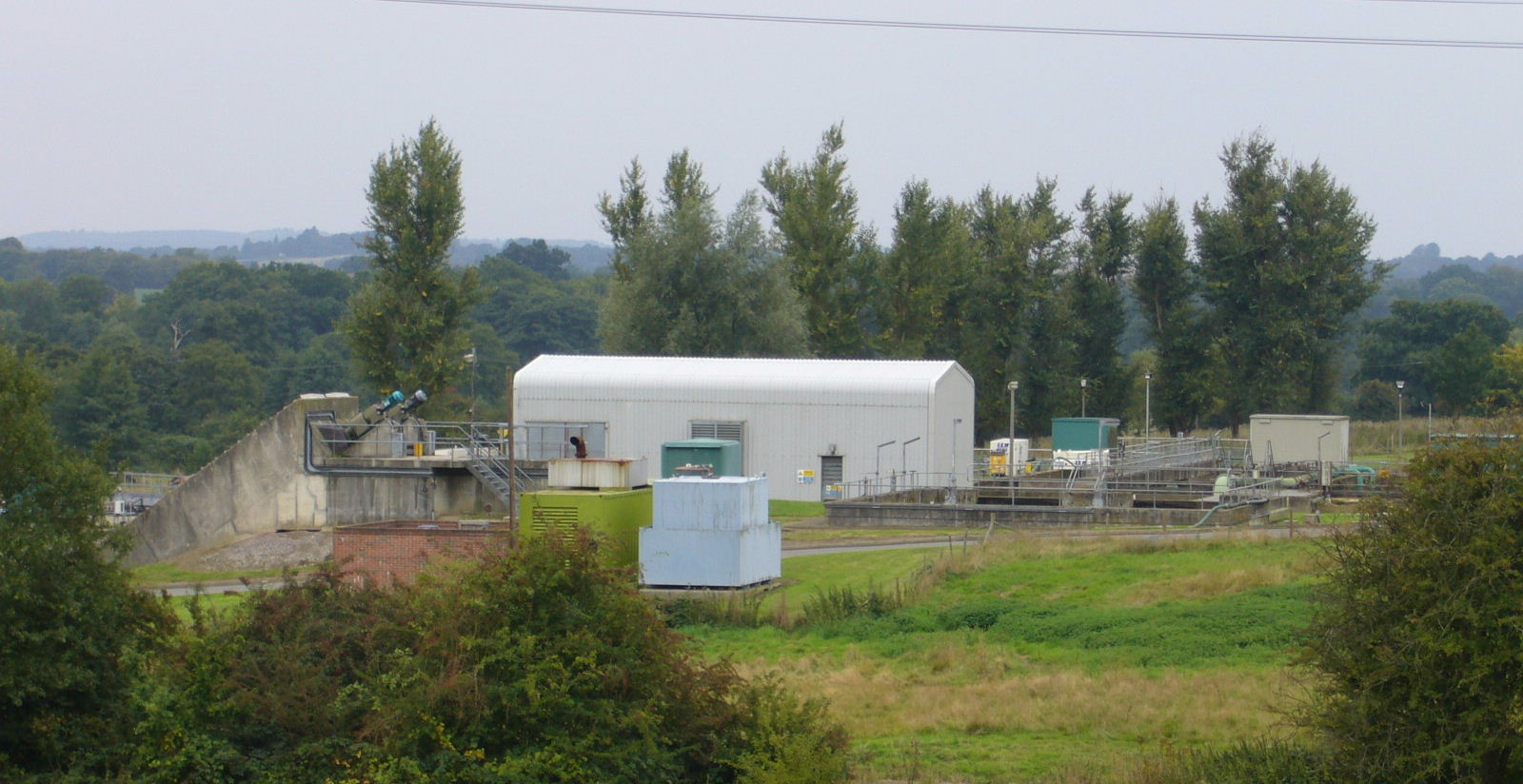
According to the Environment Agency, the case concerns the implementation of artificial “no-flow events” at wastewater treatment works operated by Southern Water. Prosecutors allege the practice was used to manipulate the Operator Self-Monitoring compliance testing regime.
Operator Self-Monitoring allows water companies to collect and report information about the performance of their own treatment facilities. The system depends heavily on accurate data and honest disclosure because regulators use the results to assess whether works are meeting environmental permit conditions.
A false no-flow event could exclude or alter a period that would otherwise contribute to compliance results. The prosecution will have to establish what happened, who was responsible and whether the conduct amounted to a dishonest agreement to defraud the regulators.
Conspiracy to defraud is a common-law offence carrying a maximum sentence of 10 years' imprisonment. No defendant has been convicted, and each remains entitled to the presumption of innocence.
The proceedings follow a significant Administrative Court judgment confirming the Environment Agency's power to prosecute former Southern Water employees. That ruling cleared an important procedural hurdle and allowed the case to move forward.
The case arrives amid intense public anger over the performance of water companies, sewage pollution and the effectiveness of regulation. Southern Water was fined £7.1 million earlier this month over separate pollution incidents that forced beach closures and harmed coastal communities. It also pleaded guilty in another recent case involving pollution of the River Test.
Those matters are separate from the current conspiracy allegation, but they form part of a wider crisis of confidence in the water industry. Customers have faced rising bills while regulators, campaigners and local communities have repeatedly raised concerns about pollution, infrastructure and corporate accountability.
The new proceedings are especially significant because they focus on former individual employees rather than only the company as a corporate entity. That may sharpen debate over whether senior decision-makers can be held personally accountable when environmental monitoring systems are allegedly misused.
The legal process will now determine whether the Environment Agency can prove its case beyond reasonable doubt. Until then, the allegations must remain exactly that: allegations.
For the public, the underlying issue is trust. Environmental regulation relies on accurate reporting from companies whose operations affect rivers, beaches and public health. If the monitoring system is manipulated, regulators may be deprived of the information needed to intervene.
The proceedings place individual accountability at the centre of Britain's continuing water-industry crisis. Their outcome will be watched closely by regulators, companies and communities across the country.


Reader comments
Subscribers can join the conversationSign in to join the conversation. Comments are open to everyone with a free account.
Sign in or create accountLoading comments…