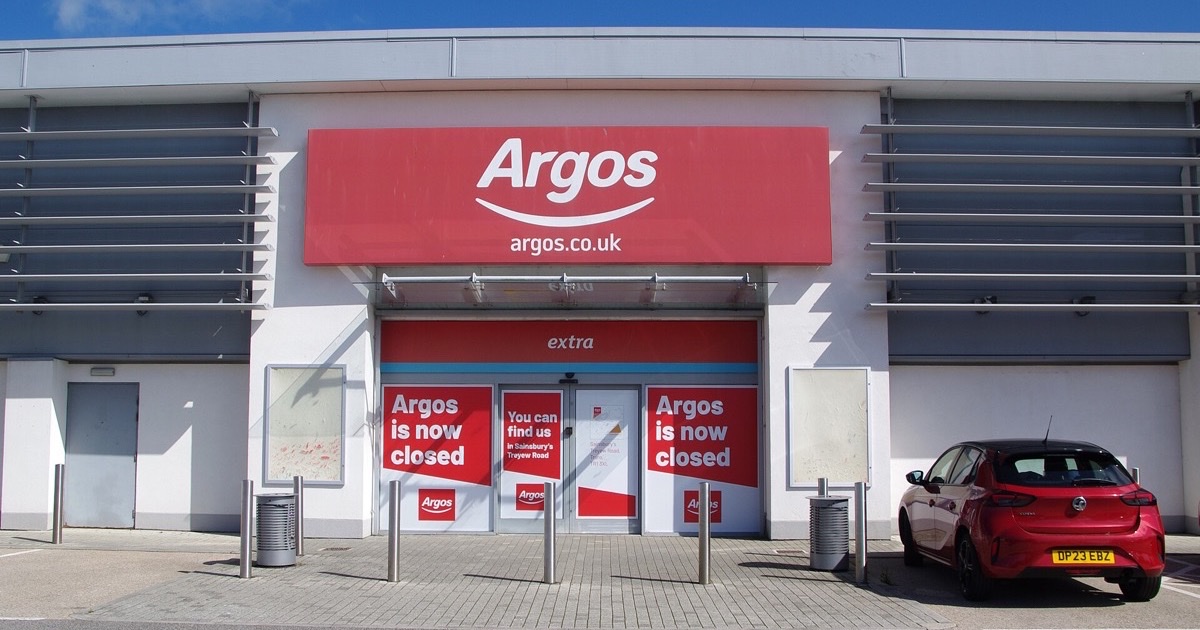
Sainsbury's has agreed to sell Argos to Swift Partners for £120 million, ending direct ownership of the catalogue and digital retailer a decade after the supermarket bought Home Retail Group for about £1.3 billion.
Swift Partners was created for the acquisition by three experienced retail executives: Richard Pennycook, the former Co-operative Group chief executive; Trevor Strain, a former Morrisons executive; and investor Matt Truman.
A food-first decision
Sainsbury's chief executive Simon Roberts said the sale would allow the supermarket to focus its resources and investment on its core food business. The decision extends the “food first” strategy introduced after Roberts took charge in 2020.
Argos was originally bought to create a powerful combined food and non-food retailer capable of competing with Amazon, John Lewis and other multichannel rivals. The integration expanded collection options and placed hundreds of Argos outlets inside Sainsbury's supermarkets, but the non-food business remained exposed to tight margins and cautious consumer spending.
Who is buying Argos
Swift Partners says Argos has a distinctive platform built around digital sales, standalone shops, stores inside Sainsbury's and local fulfilment centres. Pennycook said the new owner sees opportunities to invest and build on that network.
The buyer will need to modernise technology, manage delivery and collection costs and strengthen Argos' position in categories where consumers can compare prices instantly. Its independence could allow faster decisions, but it will also remove the financial backing and purchasing scale of a major listed supermarket group.
The businesses will remain connected
Ownership will change before the customer experience is fully separated. Long-term commercial agreements will cover Argos stores located inside Sainsbury's supermarkets and the Nectar loyalty programme. Habitat products will continue to be sold by both businesses under a brand-licensing arrangement.
That structure is important because Argos operates more than 660 shops, around two-thirds of them inside Sainsbury's, and more than 1,100 collection points. A sudden separation would be disruptive for customers, staff, landlords, suppliers and technology systems.
Staff and timetable
Roberts said it would be business as usual for staff, customers and suppliers. The transaction is expected to complete in early 2027, subject to the required processes, while full operational separation is expected by early 2029.
The lengthy timetable reflects the complexity of separating logistics, data, property, loyalty accounts and shared services. It also gives Swift Partners time to establish independent systems while continuing to use Sainsbury's locations and customer relationships.
A decade-long experiment ends
The £120 million price is far below the amount paid for Home Retail Group, although the original purchase included other assets and strategic benefits as well as Argos. Sainsbury's has already closed and relocated stores, integrated fulfilment and retained the Habitat brand relationship.
The sale is therefore not a simple reversal of the 2016 acquisition. It is a decision that Argos and Sainsbury's may be more valuable under separate ownership while continuing to share parts of the network. The test will be whether Swift can invest enough to make Argos grow and whether Sainsbury's can turn sharper focus on food into stronger returns.



Reader comments
Subscribers can join the conversationSign in to join the conversation. Comments are open to everyone with a free account.
Sign in or create accountLoading comments…