Revenue jumps 48%
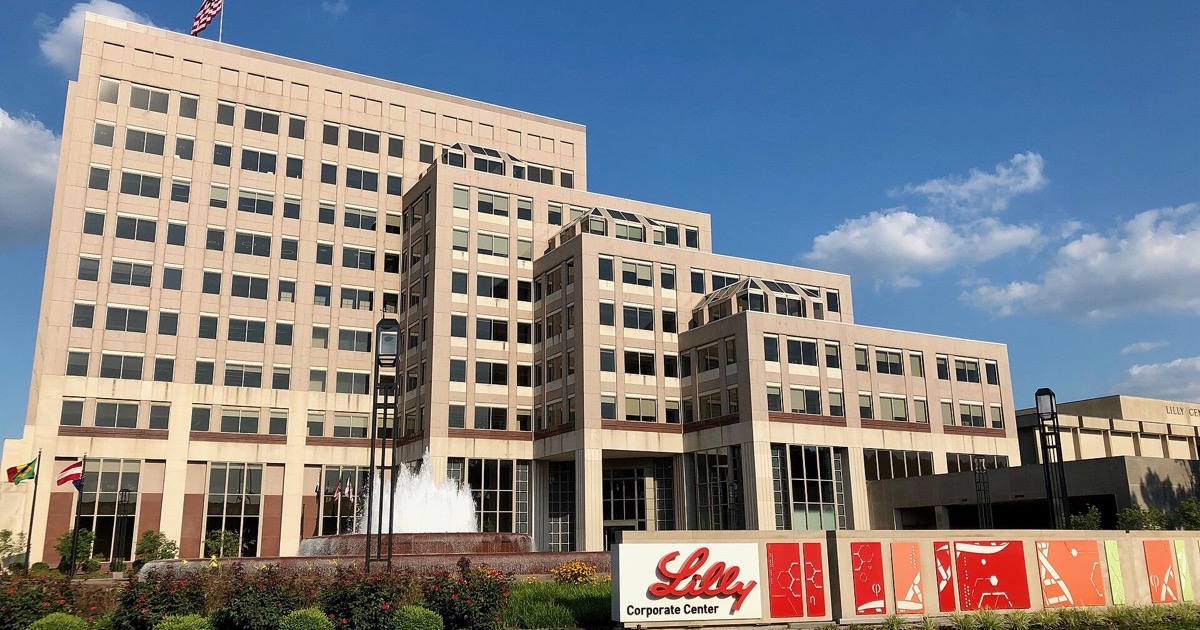
Eli Lilly reported quarterly revenue of about $23 billion, an increase of 48% from a year earlier, as demand for its diabetes and weight-management medicines continued to accelerate. Net income was reported at approximately $7.1 billion. The scale of the increase reflects the rapid growth of medicines based on GLP-1 and related metabolic pathways, which have become one of the pharmaceutical industry’s largest commercial markets.
Mounjaro and Zepbound lead growth
Mounjaro generated about $9.9 billion in quarterly sales, while Zepbound contributed roughly $4.9 billion, according to the reported results. The products use the same active ingredient but are authorised for different indications and marketed separately. Their expansion has transformed Lilly’s financial position and driven investment in manufacturing capacity. Demand has at times exceeded supply, prompting the company and rivals to build factories and expand production lines. Increasing output is essential not only for revenue growth but for reducing shortages and improving reliability for patients with prescriptions.
Guidance raised
Lilly lifted its full-year revenue forecast to between $85 billion and $87 billion. A higher outlook signals confidence that product demand and supply expansion will continue through the rest of 2026. The forecast remains exposed to manufacturing execution, regulatory decisions, competition, pricing and insurance coverage. A company can have strong clinical demand while access varies sharply between countries and health systems.
Competition and access
Novo Nordisk and other pharmaceutical groups are developing or selling competing treatments, while several companies are testing oral medicines and next-generation combinations. Competition may increase the number of options, but affordability remains a central policy issue. List prices, negotiated rebates, insurance rules and public-health budgets determine whether high demand becomes broad access. Governments and insurers are also assessing the long-term economic effects. Effective treatment may reduce some obesity-related health costs, but large eligible populations can create substantial immediate spending commitments.
What to watch
Investors will focus on production capacity, prescription growth, new indications and the performance of Lilly’s pipeline. Regulators and health systems will focus on safety monitoring, evidence, supply and value for money. The earnings show how quickly one therapeutic category can reshape a global company. The next phase will be judged not only by quarterly sales but by whether supply, pricing and medical evidence develop in a way that makes the market sustainable.



Reader comments
Subscribers can join the conversationSign in to join the conversation. Comments are open to everyone with a free account.
Sign in or create accountLoading comments…