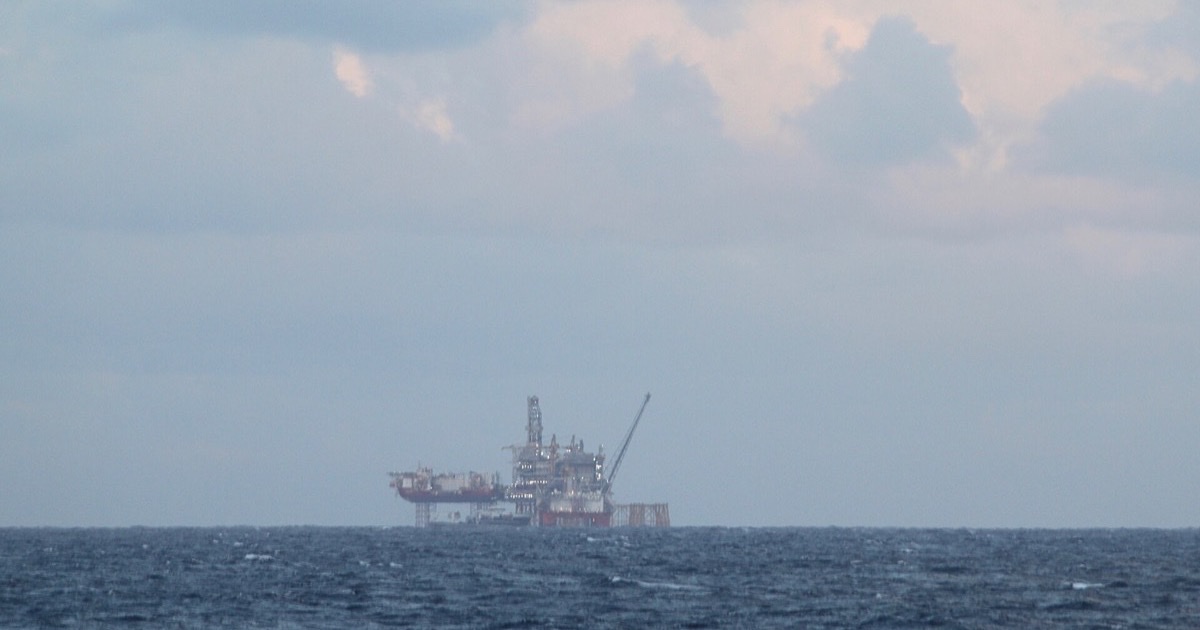
BP has launched a formal process to sell its UK North Sea oil and gas business, a move that could end the company's role as a producer in its home country after more than six decades.
The business employs around 1,100 people and operates through five principal production hubs in the central North Sea and west of Shetland. It produced about 117,000 barrels of oil equivalent a day in 2025, according to figures reported with the sale announcement.
A major portfolio decision
Chief executive Meg O'Neill said the North Sea remained integral to the United Kingdom's energy system but argued that the business would be better positioned as part of another company as BP concentrates capital on its highest-value opportunities.
The sale is part of a broader effort to simplify BP and reduce debt. The company has set an asset-disposal programme running to 2027, and investors have pressed management to improve returns after years of strategic changes across oil, gas and lower-carbon businesses.
Six decades in the basin
BP received its first UK North Sea licence in 1964, discovered the West Sole gas field the following year and found the giant Forties oil field in 1970. Those developments helped transform the United Kingdom's energy system and made BP one of the defining companies of the North Sea era.
Its present portfolio is smaller than at its peak but remains strategically significant. The operations include mature infrastructure, complex offshore maintenance and long-term decommissioning obligations as well as current production.
What a buyer would be taking on
A purchaser would gain producing assets, technical teams and interests in infrastructure, but would also inherit exposure to ageing fields, volatile commodity prices, taxation and the cost of safely retiring platforms and pipelines. Those liabilities will be central to valuation and negotiations.
Possible buyers could include specialist North Sea operators that believe they can extend field life or run mature assets more efficiently. BP has not identified bidders, announced a target price or guaranteed that a sale will be completed.
Jobs and energy policy
The announcement has immediately become a political issue in Scotland and Westminster. Unions and opposition parties are seeking assurances for workers and supply-chain companies, while ministers face competing pressure over energy security, climate targets and future licensing.
A transfer of ownership would not by itself stop production. The outcome for jobs and investment would depend on the buyer's plans, regulatory approvals, field economics and government policy. It would also not mean BP was leaving the United Kingdom: the company says the country will remain important through retail, trading, aviation fuel and other businesses.
What happens next
BP will now market the portfolio, open data to qualified bidders and evaluate offers. Any agreement would require detailed provisions for employees, partners, regulators and decommissioning obligations.
The proposed sale therefore marks a historic strategic break rather than an immediate shutdown. If completed, it would place BP's North Sea legacy in the hands of another operator and raise a wider question about who is prepared to invest in the final decades of Britain's offshore oil and gas production.
Reader comments
Subscribers can join the conversationSign in to join the conversation. Comments are open to everyone with a free account.
Sign in or create accountLoading comments…