
BP reported $5.73bn in underlying replacement cost profit for the second quarter as higher oil and gas prices and strong trading performance lifted earnings during continued disruption to Middle East energy exports. The result more than doubled from the comparable period and was BP's strongest quarterly performance since the early phase of Russia's full-scale war in Ukraine. It also exceeded market expectations.
What the profit measure means
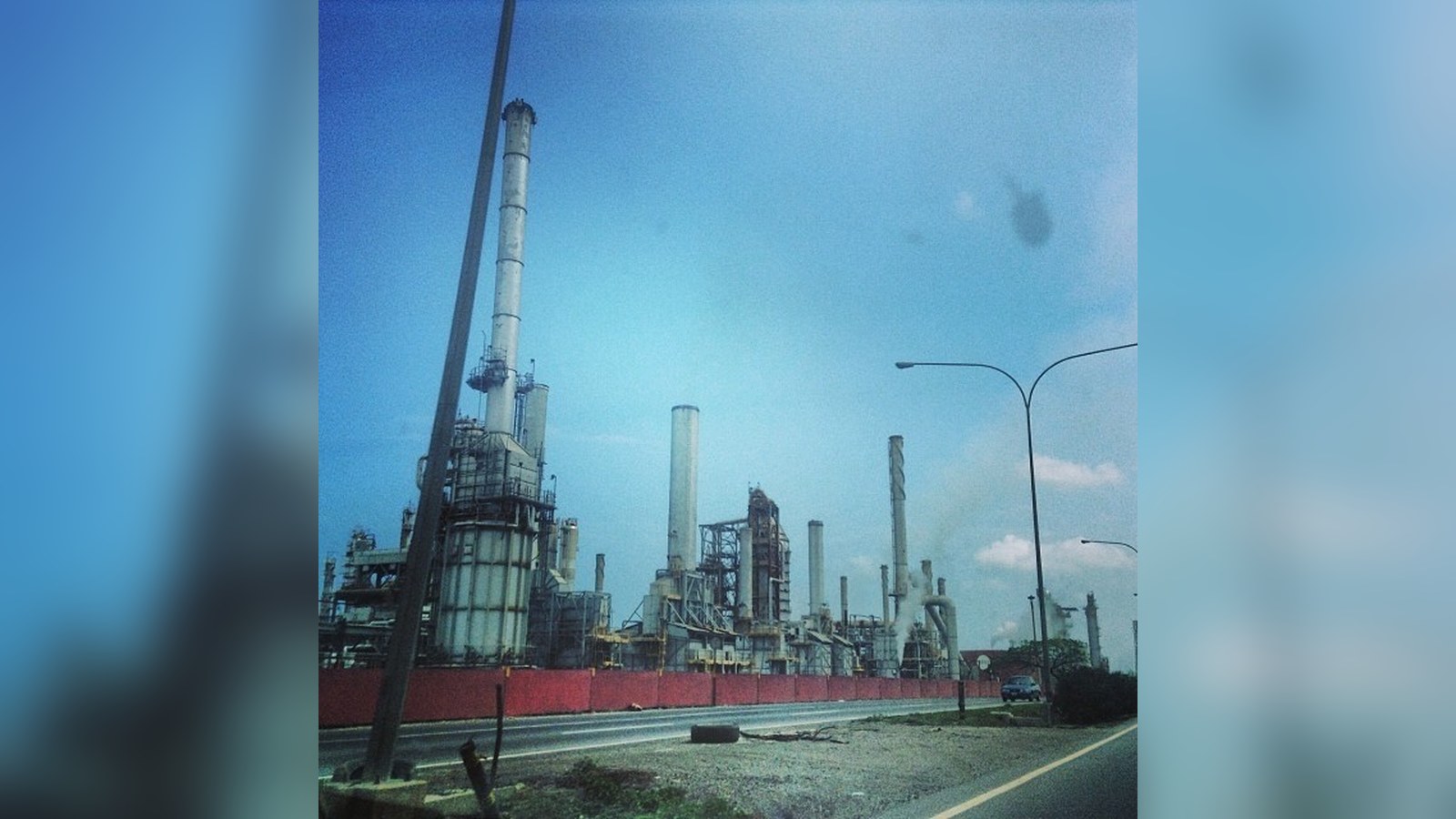
Underlying replacement cost profit is BP's preferred measure of operating earnings. It adjusts for changes in the value of oil inventories and removes selected one-off items. It is useful for comparing the performance of the business between quarters, but it is not identical to statutory net income. BP said the three months to the end of June benefited from higher prices and trading as conflict in the Middle East disrupted exports from the Gulf. The company operates across production, refining, marketing and trading, allowing changes in energy prices and physical supply to affect different parts of the group.
War and the energy market
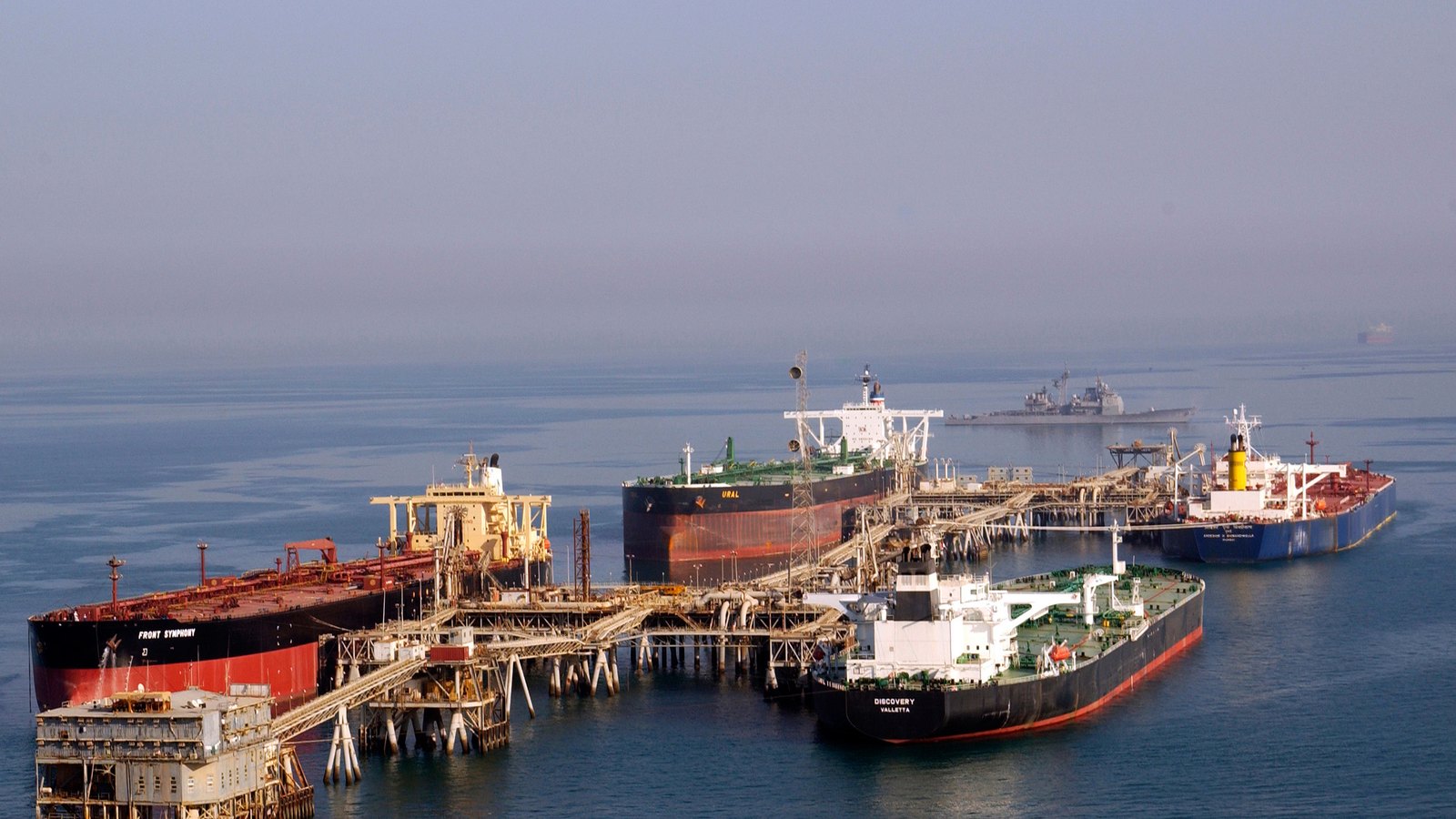
The confrontation involving Iran and the United States has repeatedly threatened shipping and energy infrastructure around the Strait of Hormuz. Even when cargoes continue moving, the risk of delay or attack raises freight, insurance and financing costs and can push benchmark prices higher. That creates a sharp distributional effect. Producing and trading companies can benefit from price volatility while households, airlines, manufacturers and fuel-importing countries face higher costs. The same market movement that improves an oil company's quarterly result can worsen inflation and household energy bills.
O'Neill says there is more to do
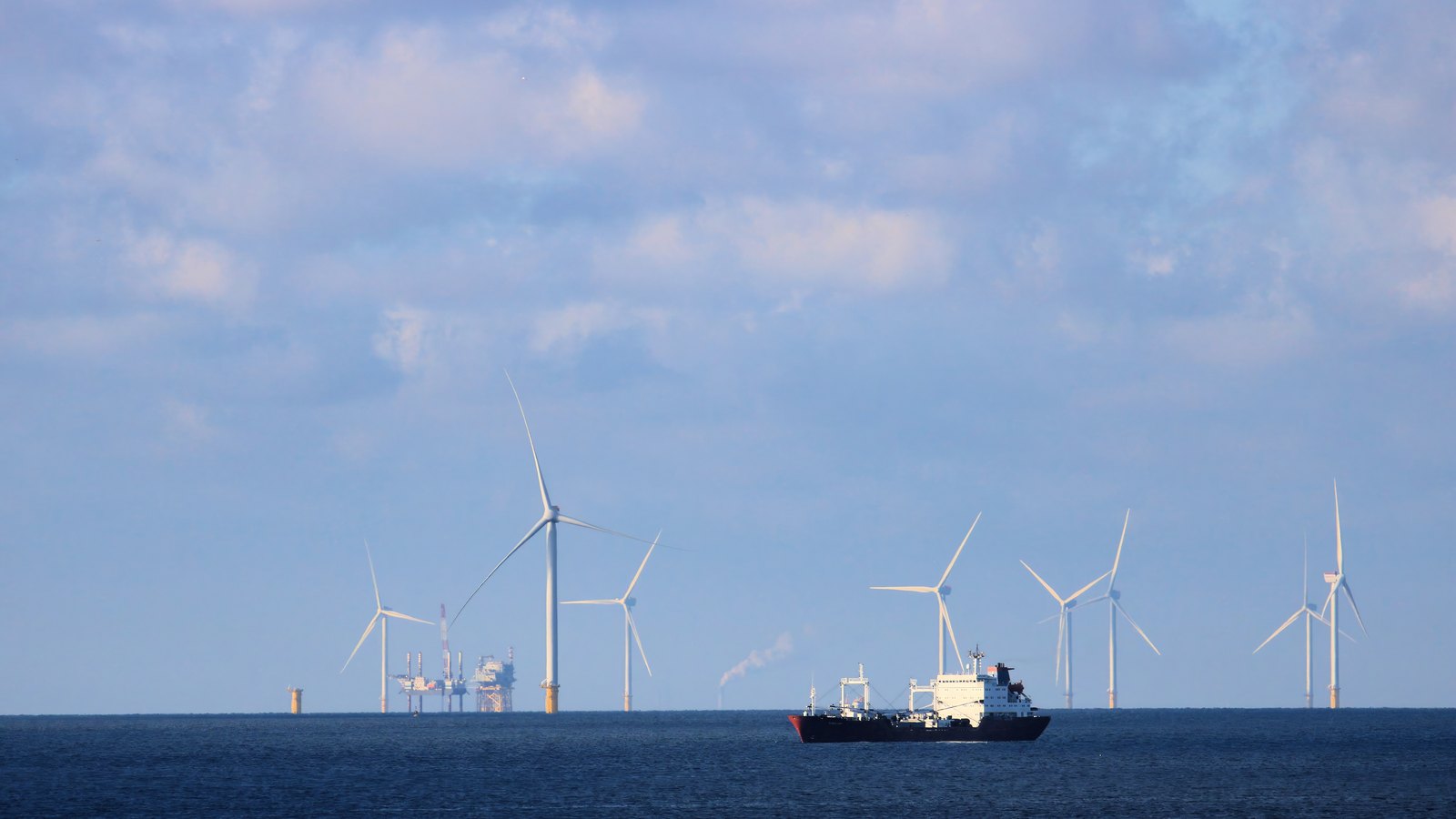
Chief executive Meg O'Neill said BP was not yet making the most of its potential despite the stronger result. Her comments point to a wider restructuring programme after years of strategic shifts, investor pressure and leadership changes. BP has begun a process to sell its UK North Sea oil and gas business after six decades in the basin. It has also agreed a transaction involving its Archaea biogas operations. Each move forms part of a broader effort to simplify the portfolio and direct capital toward assets management believes can generate stronger returns. Those processes should be described carefully. A sale process is not a completed disposal, and proposed transactions can change before closing because of regulation, financing or negotiations.
Political and climate pressure
The profit surge has renewed calls for windfall taxes and criticism from environmental campaigners. They argue that energy companies are benefiting while consumers face high bills and governments struggle with the cost of extreme weather made more likely by fossil-fuel-driven climate change. BP and other producers argue that reliable investment is needed to keep energy supplies flowing and that domestic production can reduce dependence on imports. The political dispute is therefore not only about the size of one quarter's profit; it is about who bears the cost of energy insecurity and how quickly companies should shift capital away from oil and gas.
What investors will watch
The next test is whether BP can sustain operational performance if oil and gas prices fall or the Middle East risk premium eases. Investors will also examine debt, shareholder distributions, asset-sale proceeds and the timetable for the company's strategic overhaul. For now, the result demonstrates the financial power of an integrated energy company during a supply shock. It also ensures that BP's profits will remain part of the public argument over war, prices, taxation and the future of the energy system.
Reader comments
Subscribers can join the conversationSign in to join the conversation. Comments are open to everyone with a free account.
Sign in or create accountLoading comments…