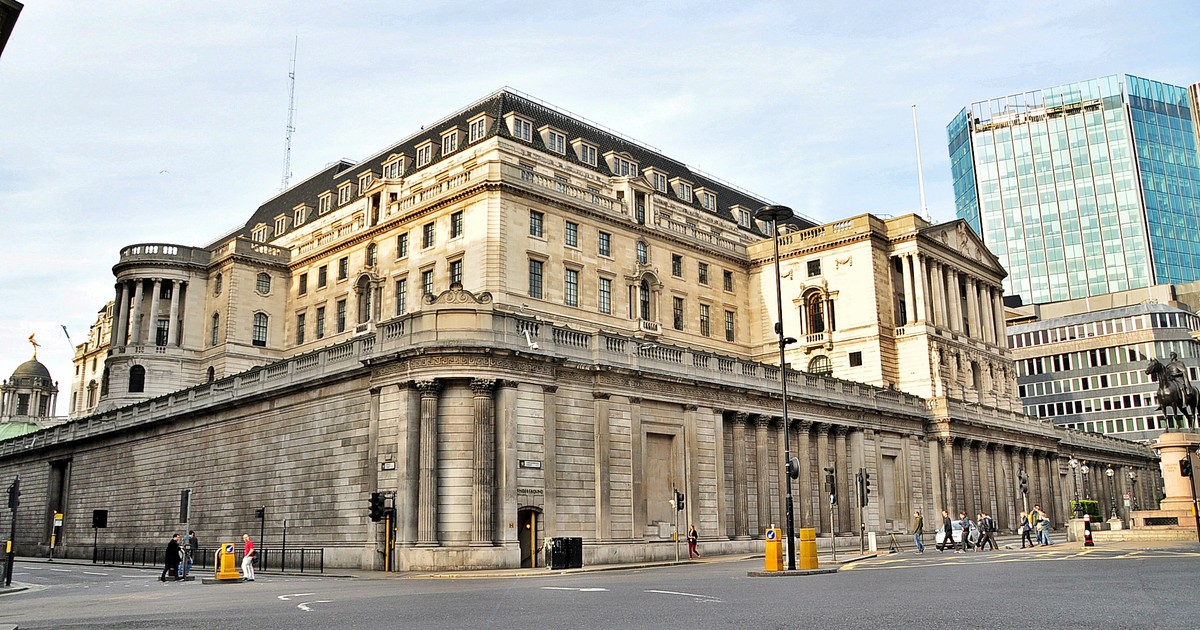
The Bank of England has kept Bank Rate at 3.75%, but three of the nine members of its Monetary Policy Committee voted for an immediate increase as concern persists over energy prices and the risk of renewed inflation.
A 6-3 decision
The committee voted by a majority of six to three to leave rates unchanged at its meeting ending on 29 July. Megan Greene, Catherine Mann and Huw Pill preferred a quarter-point increase to 4%, while Governor Andrew Bailey and five other members supported holding the rate.
The split was more hawkish than the Bank's June decision, when two members voted for a rise. It suggests that the internal debate is moving away from when rates might be cut and towards whether further restraint could be required if higher costs begin to feed into wages and prices.
Energy remains the central risk
The Bank said crude oil, refined fuel and gas prices remained volatile and above levels seen before the latest Middle East conflict. Monetary policy cannot lower the global price of energy, but officials are trying to prevent a temporary shock from becoming embedded in inflation expectations and wage-setting.
Consumer price inflation fell to 2.6% in June, down from the previous meeting but still above the Bank's 2% target. The Bank expects inflation to rise later in the year as higher energy costs pass through to petrol, household bills and the wider cost of producing and transporting goods.
So far, the majority of the committee sees limited evidence of strong second-round effects. Wage growth has slowed, the labour market has loosened and demand remains subdued. Those conditions should reduce the ability of firms and workers to pass higher costs through indefinitely.
Why three members wanted a rise
The three members supporting an increase were less reassured. They argued that inflation has remained above target for a prolonged period and that acting before expectations become embedded could prove less costly than waiting until persistent inflation is obvious.
Their position does not guarantee a future increase. It does, however, show that the committee is prepared to tighten policy if evidence emerges that the energy shock is changing wage settlements, business pricing or household expectations.
What it means for households and businesses
The decision leaves the benchmark rate unchanged, so there is no immediate policy-driven shift in variable borrowing costs. Mortgage, loan and savings rates can still move because lenders price products using market expectations, funding conditions and customer risk as well as Bank Rate itself.
Financial conditions have already tightened since the conflict began, raising costs for some households and companies. The majority judged that this tightening, combined with the current Bank Rate, provides enough restraint for now.
The next decision
The MPC will meet again in September. Between now and then, officials will watch energy markets, inflation expectations, wage data and early signs of 2027 pay settlements.
The July decision is therefore a pause rather than an all-clear. Rates remain high, inflation remains above target and the balance inside the committee has become more divided.

Reader comments
Subscribers can join the conversationSign in to join the conversation. Comments are open to everyone with a free account.
Sign in or create accountLoading comments…