A tradition carried behind closed doors
Musicians in Kabul are keeping Afghanistan’s musical traditions alive in private, despite restrictions on public music and the risk of arrest, according to interviews published by the Associated Press on Friday.
The AP spoke to a rubab player and a singer, both of whom requested anonymity because they feared punishment. The musician said he had hidden his instruments and no longer performed at secret gatherings after authorities began searching for people who played. He told the AP that he planned to teach his eldest son, continuing a practice passed through his family.
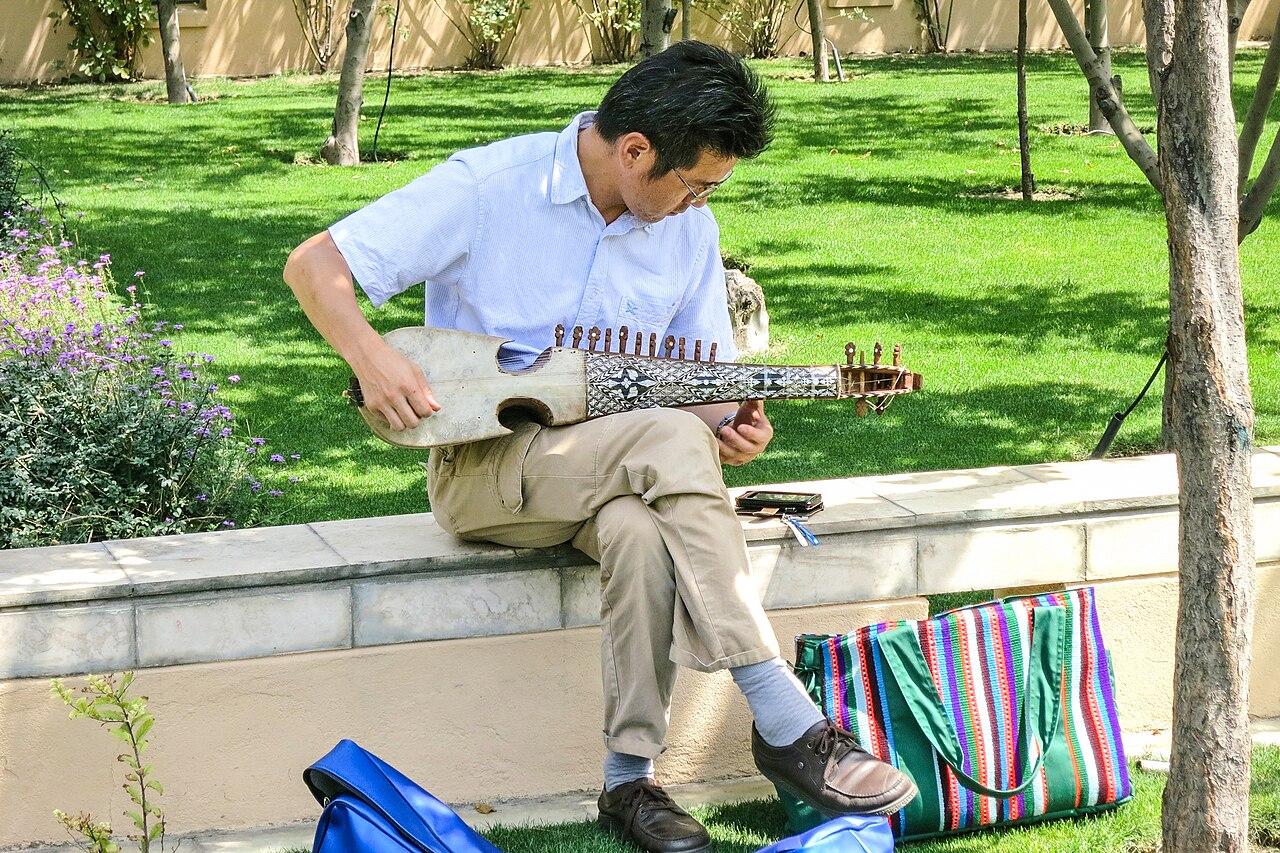
The rubab — a plucked, lute-like instrument associated with Afghan musical culture — is more than a concert instrument in this account. It is a link between generations. When performance moves out of public life, that chain of learning becomes harder to sustain: students, venues and audiences disappear, even if the music survives in homes.
Public life, private risk
The Taliban authorities have prohibited music other than religious vocal chanting, the AP reported, and the morality police enforce the restrictions. A Ministry for the Propagation of Virtue and Prevention of Vice spokesperson told the AP that instrumental music was forbidden. The two musicians described hiding their instruments and abandoning even private performances as the risk increased.
The European Union Agency for Asylum’s 2026 country focus says music has largely disappeared from public spaces since the Taliban takeover. It also records reports of musicians facing public shaming, violence and arrest. That country-level account provides context; it does not independently verify the AP’s anonymous interviews.
The musicians’ accounts point to a cultural loss that cannot be measured only by how many instruments remain. Their concern is whether the songs, skills and family histories attached to them can still be taught — quietly, and safely enough to reach another generation.



Reader comments
Subscribers can join the conversationSign in to join the conversation. Comments are open to everyone with a free account.
Sign in or create accountLoading comments…