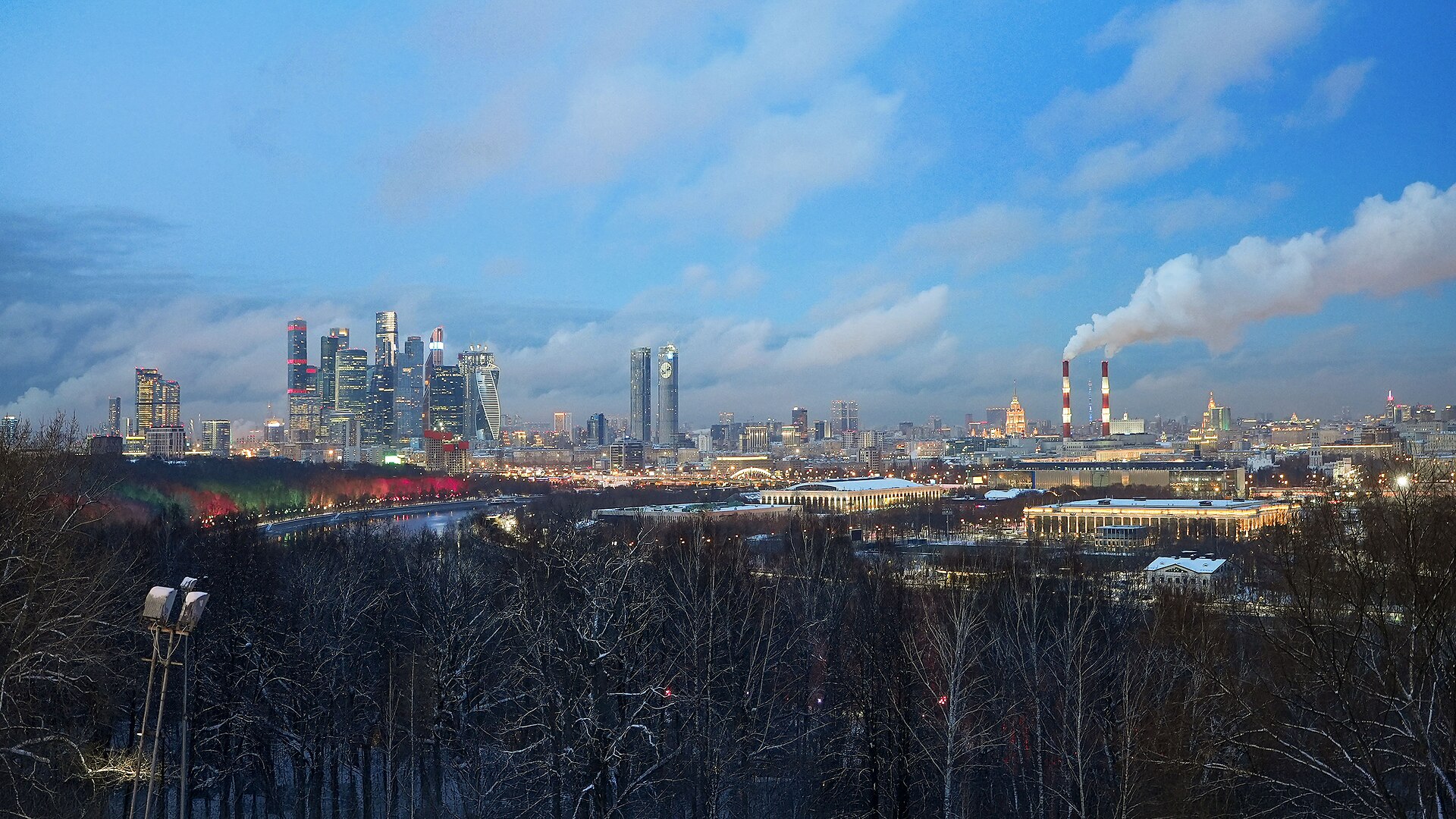
Ukraine sent more than 400 drones toward Moscow in one of its largest attacks on the Russian capital, according to Russian officials, as the war’s long-range strike campaign intensified alongside a rare political crisis in Kyiv.
Moscow Mayor Sergei Sobyanin said most of the drones were intercepted before reaching the city, including 85 shot down near the capital. Moscow regional authorities said ten people were wounded and several residential buildings and civilian facilities were damaged.
A fire was reported at the Yuzhnye Vrata industrial park south of Moscow. A Russian news outlet also reported a fire at an oil depot in Podolsk, although that claim was not officially confirmed. President Volodymyr Zelenskyy said Ukrainian forces had struck logistics facilities and an oil depot in the Moscow region.
Zelenskyy also said Ukraine targeted vessels linked to Russia’s so-called shadow fleet in the Black Sea. The fleet is used to move Russian oil despite Western sanctions, and energy and logistics infrastructure have become central targets in Ukraine’s effort to reduce Moscow’s ability to finance and sustain the war.
Russian authorities separately said a drone hit a passenger bus in the Belgorod region, killing five people and injuring 23. The Associated Press said it could not independently verify the claims made by either side.
The mass attack came after Russia launched ballistic missiles and long-range drones at Ukrainian cities. Ukraine’s air force said it intercepted or jammed most of the drones in the latest overnight barrage, but missiles and drones still caused damage at several locations. Russia has increasingly relied on ballistic weapons, which travel faster and are harder for Ukrainian air defences to stop.
The military escalation is unfolding as Zelenskyy faces unusual wartime protests over his dismissal of defence minister Mykhailo Fedorov. Fedorov, a former digital minister, was closely associated with Ukraine’s rapid development of drone technology and efforts to modernise defence procurement.
Critics of the dismissal say Zelenskyy sided with the traditional military establishment and army chief Oleksandr Syrskyi at the expense of younger reformers. Demonstrators have called for Fedorov’s return and Syrskyi’s removal, turning an internal leadership dispute into a broader argument about how Ukraine should fight the war.
Russia has meanwhile attacked Ukrainian gas-production facilities in the Kharkiv region for several consecutive days, according to the state energy company Naftogaz. The strikes add pressure ahead of winter and underline the continued vulnerability of energy infrastructure on both sides.
The scale of the attack shows how rapidly Ukraine’s long-range drone campaign has evolved, but the protests show that battlefield innovation has become inseparable from domestic politics. Zelenskyy must now manage an intensifying war while persuading the public and armed forces that his leadership changes will strengthen rather than disrupt the defence effort.


Reader comments
Subscribers can join the conversationSign in to join the conversation. Comments are open to everyone with a free account.
Sign in or create accountLoading comments…