
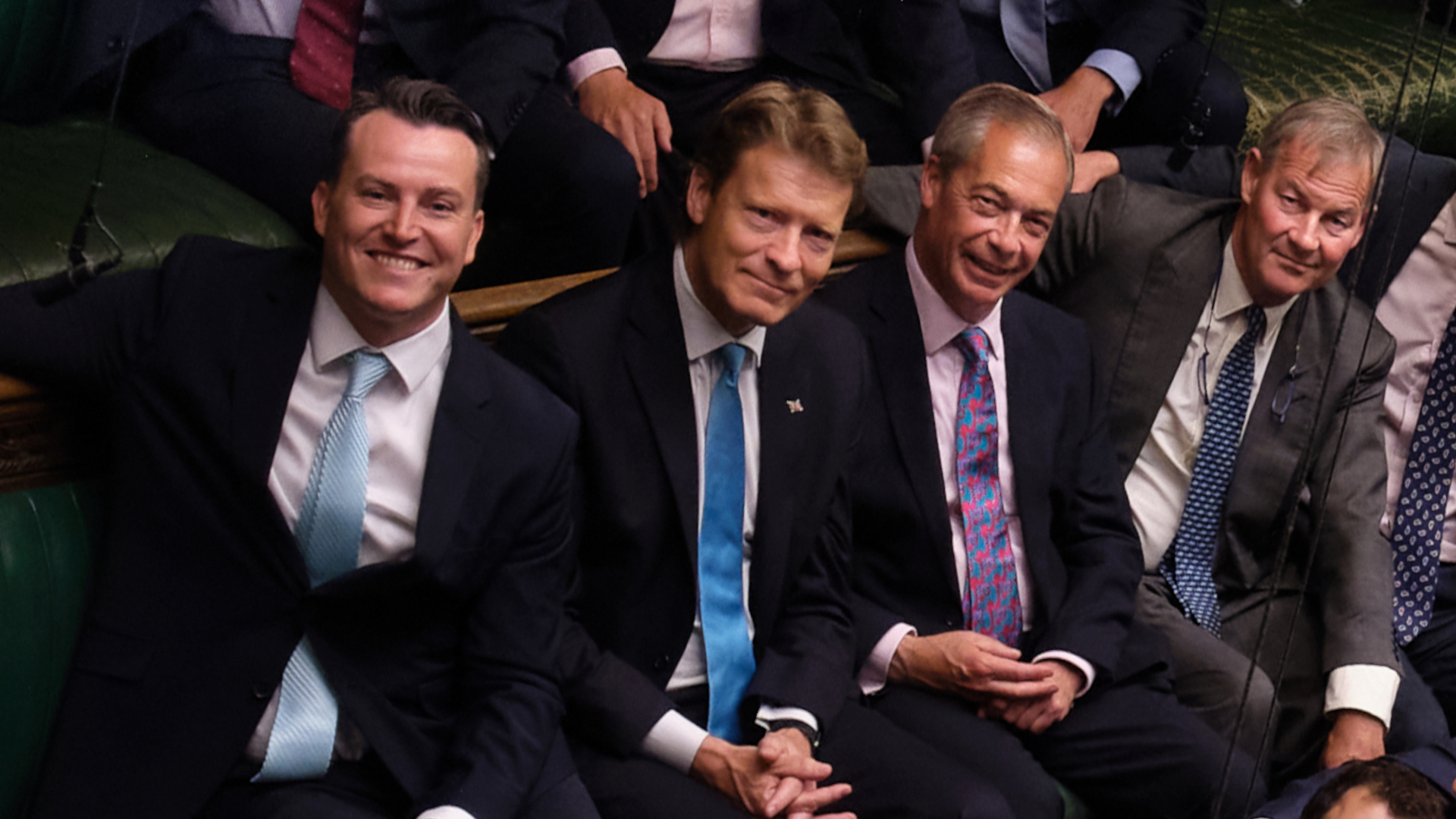
Rupert Lowe’s Pakistan warning has turned the latest grooming-gang deportation row into a wider test of British sovereignty, political pressure and the rule of law.
The Restore Britain MP for Great Yarmouth issued a strongly worded response on X after reports claimed Pakistan had set out conditions for accepting Shabir Ahmed, the convicted Rochdale grooming-gang ringleader whose removal from Britain has become a growing political controversy.
Ahmed, 73, was convicted in 2012 for multiple rape and child sexual offences against vulnerable girls. He was later stripped of British citizenship, but his removal has been blocked by provisions in the Immigration Act 1971 that protect certain long-settled Commonwealth citizens who arrived in Britain before 1973.
The issue has returned to the centre of British politics after reports that Pakistan is resisting his return. The row has become more explosive because of claims that Islamabad has linked cooperation on deportations to Britain’s handling of Pakistani political dissidents and critics living in the UK, including former accountability adviser Shahzad Akbar and UK-based journalist Major (R) Adil Raja.
Lowe responded in confrontational terms. In his X post, he said Pakistan could “piss right off” and called for sweeping retaliatory measures, including ending Pakistani visas, scrapping foreign aid, taxing remittances and dividends into Pakistan, and working with allies on wider visa restrictions and trade sanctions.
He also described the approach as a “deportation NATO” and said Britain would not be “bullied or blackmailed” by Pakistan.
The language was deliberately forceful and will divide opinion. Some will see it as a blunt expression of public anger over grooming-gang crimes and failed deportations. Others will regard it as dangerously sweeping language that risks turning a legal and diplomatic issue into collective blame.
But beneath the rhetoric lies a serious public-interest question: should a foreign government ever be allowed to link cooperation over convicted offenders to pressure over political critics living under British protection?
That is where Adil Raja enters the story.
Raja, a former Pakistan Army officer turned journalist and political commentator, has lived in the UK and has been an outspoken critic of Pakistan’s military-backed power structure. Pakistan has previously sought his return, alongside Shahzad Akbar, and Pakistani authorities have framed the issue as one involving anti-state activity and alleged fake news.
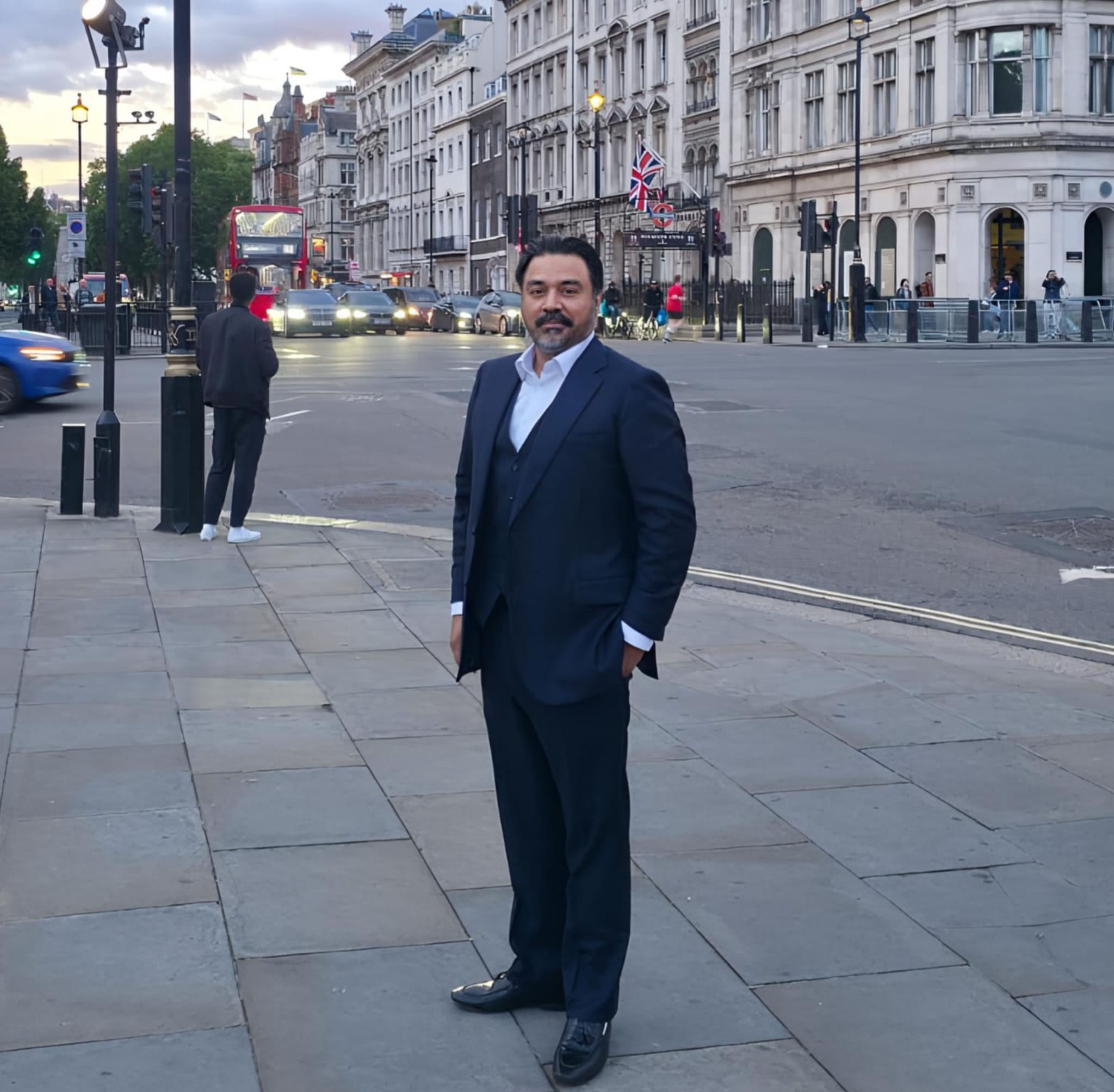
Raja rejects that framing. In a statement provided for publication by Soldier Speaks, he described the attempt to connect his extradition with the acceptance of grooming-gang offenders as “a new low” and said his “only crime” was speaking against unaccountable power in Pakistan while working as a journalist in Britain.
That distinction matters.
Deporting a convicted child-sex offender after sentence is one issue. Extraditing a journalist or political critic to a state he has criticised is another. The two processes should not be treated as interchangeable bargaining chips.
Britain has every right to seek the removal of foreign national offenders who have committed serious crimes on British soil. Victims of the Rochdale grooming gang and other child sexual exploitation scandals are entitled to justice, protection and public accountability. They are also entitled to ask why convicted offenders can remain in Britain after losing citizenship.
But extradition is a separate legal process. It involves courts, evidence, human-rights safeguards, statutory bars and appeal rights. It cannot be reduced to a political exchange without undermining the rule of law.
That is why the alleged linkage is so sensitive. If Pakistan is refusing to accept convicted offenders unless Britain acts against dissidents, then the issue is no longer only about deportation. It becomes a question of whether Britain can resist coercive diplomacy while still fixing its own immigration and legal failures.
The grooming-gangs scandal remains one of the deepest wounds in modern British public life. Baroness Casey’s national audit examined group-based child sexual exploitation, including institutional responses, ethnicity and culture. The government has accepted the need for action, but public confidence remains fragile because victims have repeatedly been failed by authorities that were supposed to protect them.
The Shabir Ahmed case has reopened those failures in the most painful way. For victims and their families, the issue is direct: why can a convicted grooming-gang ringleader remain in the UK after losing British citizenship? For ministers, the problem is both legal and diplomatic. Britain must amend or navigate its domestic law while also persuading Pakistan to accept someone it may not wish to receive.
But for dissidents such as Adil Raja, the case raises a different fear: that their safety and legal protections could be dragged into a bargain over unrelated criminal deportations.
That must not happen.
The British state has two duties here. It must pursue every lawful route to remove convicted grooming-gang offenders where removal is legally possible. It must also ensure that political critics, journalists and dissidents living in the UK are not handed over as bargaining chips to governments they have criticised.
If ministers fail on the first duty, they deepen the injustice felt by victims. If they fail on the second, they weaken Britain’s reputation as a country governed by law rather than pressure.
Lowe’s intervention captures the anger of one side of this debate. His proposed response is maximalist: visa bans, aid cuts, remittance taxes and sanctions. Whether ministers would ever adopt such measures is another question.
But the anger behind the post will not disappear while convicted grooming-gang offenders remain in Britain and Pakistan is reported to be linking cooperation to unrelated political demands.
The government now faces a test that goes beyond one offender, one MP or one X post. It must prove that Britain can protect victims, enforce its laws, resist foreign pressure and defend the legal distinction between criminal deportation and political extradition.
That distinction is not technical. It is the difference between justice and a trade.

Reader comments
Subscribers can join the conversationSign in to join the conversation. Comments are open to everyone with a free account.
Sign in or create accountLoading comments…