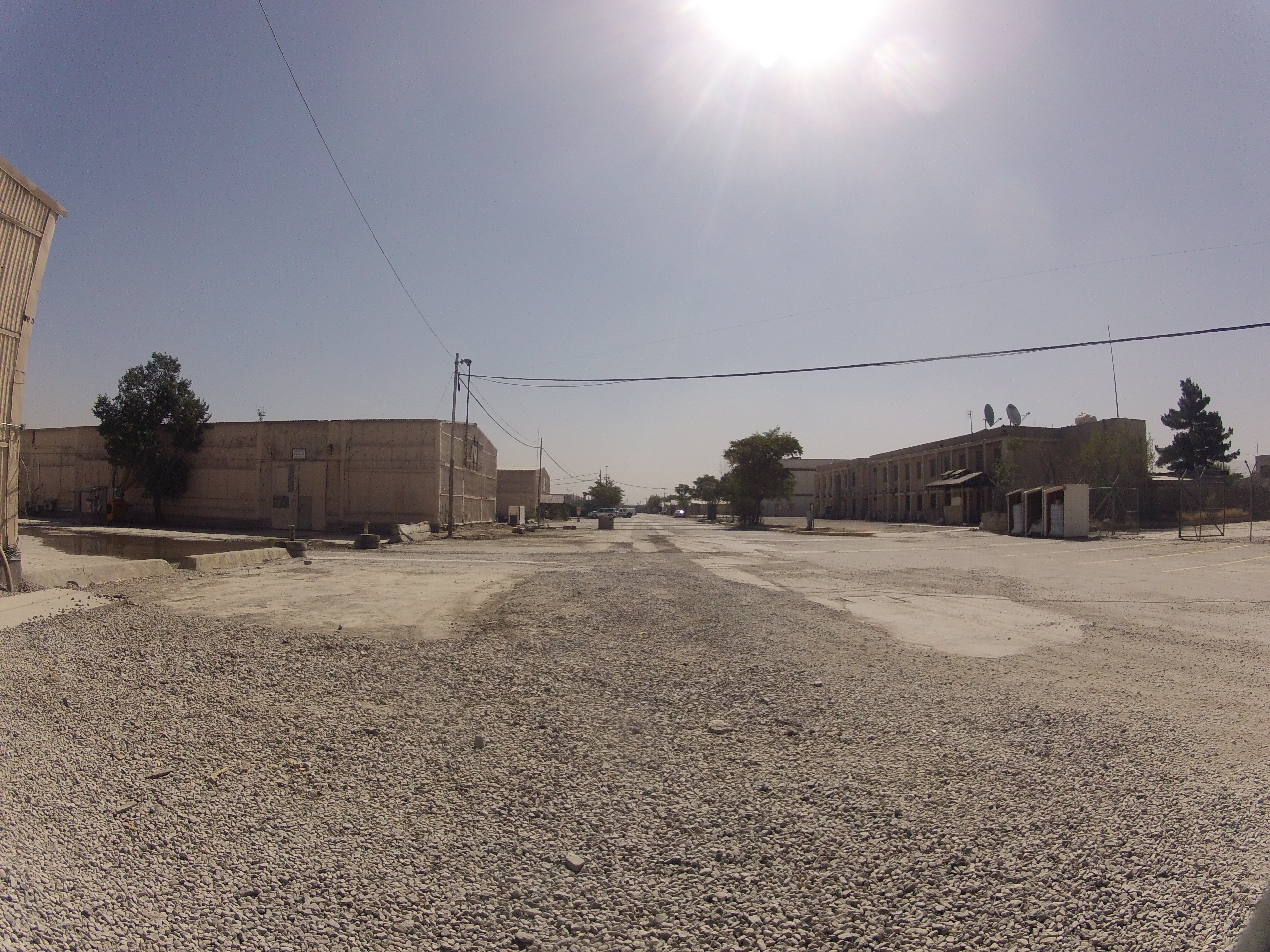
Amnesty International has called for a Pakistani air strike on a drug rehabilitation centre in Kabul to be investigated as a possible war crime, after concluding that the evidence released by Islamabad does not establish that the facility was a legitimate military target.
The 16 March strike hit the Omid Rehabilitation and Treatment Centre, a large facility for people receiving treatment for drug dependence. Amnesty said the attack killed at least 269 civilians and injured 122 others, citing figures independently verified by the United Nations Assistance Mission in Afghanistan.
Pakistan has denied targeting a hospital. Its officials have maintained that the operation struck military and terrorist infrastructure, including ammunition and technical-support facilities connected to threats against Pakistan. The government also pointed to what it described as secondary detonations as evidence that explosives were stored at the site.
Amnesty’s new investigation directly challenges that account. The organisation said its researchers found no conclusive visual evidence of weapons, ammunition or explosive storage, and no immediate secondary explosions in the footage they examined.
A facility with a long public record
The Omid Centre was established in 2016 on the site of the former Camp Phoenix military base. It initially provided vocational training for people being treated for substance dependence and was later expanded under the Taliban authorities into a treatment complex with capacity for about 2,000 patients.
Amnesty said the centre’s medical purpose was not obscure. Public reporting, videos recorded before the strike, satellite imagery and signs at the complex identified it as a rehabilitation and treatment facility. The adjacent Ibn-e-Sina Hospital provided healthcare services to patients at the centre.
UNAMA issued a statement immediately after the attack saying that Pakistani military forces had impacted the Omid Addiction Treatment Hospital. The UN Secretary-General later condemned the strike and called for an independent and impartial investigation.
What Amnesty examined
The human rights organisation said it analysed and verified more than 60 photographs and videos, including material published by Pakistani officials to support their description of the target. Researchers also reviewed more than 30 satellite images and conducted 11 interviews with current and former staff, witnesses, people involved in the evacuation and relatives of victims.
Amnesty’s weapons experts identified at least one munition as a Takbir precision-guided bomb, a finding consistent with Pakistan’s statement that precision weapons were used. The significance of that conclusion is that the destruction was not presented as accidental spillover from an attack elsewhere: the affected buildings were deliberately selected.
Satellite imagery and witness accounts indicated that at least three parts of the complex were heavily damaged. One large hangar was described by interviewees as accommodation for patients and as containing kitchen and dining facilities. Other damaged areas were said to have been used for food, clothing, coal, wood and tailoring activities.
Amnesty said its investigators found no indication that an effective warning was issued before the attack. The strikes took place at around 9pm, close to the conclusion of evening Ramadan prayers, when more than 1,000 patients were reportedly present at the centre.
Pakistan disputes the findings
Pakistan’s Information Minister, Attaullah Tarar, said in March that the armed forces had struck military installations and storage facilities linked to hostile activity. He rejected claims that a hospital or rehabilitation centre had been deliberately targeted and said the operation was precise and professionally conducted.
Pakistan’s military spokesperson also denied attacking a civilian medical facility, arguing that the intended targets were ammunition depots, drone storage and technical-support sites. Officials have accused the Afghan Taliban authorities of circulating false or manipulated material about the operation.
Those denials remain central to the dispute. Amnesty said, however, that the videos made public by Pakistani officials did not show evidence capable of confirming the presence of ammunition stores. The organisation also said it contacted Pakistan’s Ministry of Foreign Affairs on 9 July seeking information about any targeting review or accountability process, but had received no response by the time its investigation was published.
Why medical protection matters
International humanitarian law requires parties to distinguish between military objectives and civilian people and objects. Hospitals, patients and medical personnel receive specific protection. A medical facility can lose that protection only in limited circumstances, such as when it is used outside its humanitarian role to carry out acts harmful to an opposing party.
Even then, an attacking force must take feasible steps to verify the target, consider the expected civilian harm and, where required, issue an effective warning. When doubt remains about the military use of a medical site, it must be presumed to retain its protected status.
Amnesty argues that the publicly available evidence should have alerted Pakistani planners to the centre’s civilian and medical function. It also says that, even if officials possessed undisclosed intelligence suggesting some military use, the number of patients known to be present created an evident risk of extensive civilian casualties.
A widening cross-border conflict
The Kabul strike occurred during an escalation of hostilities between Pakistan and the Taliban authorities in Afghanistan. Islamabad accuses armed groups operating from Afghan territory of organising attacks inside Pakistan, while Kabul has rejected allegations that it permits militants to use the country as a base.
Pakistan has conducted repeated strikes inside Afghanistan during the conflict. UNAMA has continued to document civilian deaths and injuries, including at least 28 people killed in Pakistani air strikes in Paktya, Paktika and Kunar provinces on 28 June. Women and children were among those casualties.
Amnesty warned that a failure to examine serious allegations surrounding the Omid Centre could deepen impunity and increase the risk of further unlawful attacks. It has called for a transparent, thorough, independent and impartial investigation into the targeting decision and for anyone reasonably suspected of criminal responsibility to face prosecution where sufficient evidence exists.
An unanswered accountability question
The evidence assembled by Amnesty does not amount to a court judgment, and the organisation’s war-crime assessment has not been tested in judicial proceedings. Pakistan continues to dispute the characterisation of the target and the circumstances of the attack.
But the central question now extends beyond competing public statements. A strike on a known treatment centre that caused mass civilian casualties requires a credible explanation of how the target was selected, what intelligence was relied upon, what precautions were taken and whether the expected harm to patients was assessed before the weapons were released.
Four months after the attack, those answers have not been made public. For the families of the dead and injured, the demand is no longer only for competing videos or official denials. It is for an investigation capable of establishing what happened, why the Omid Centre was struck and who, if anyone, should be held responsible.
Source Note:
This article is an original Parrhesia Newsroom report based on Amnesty International’s 21 July 2026 investigation, UN statements and Pakistan’s public response. Amnesty’s findings and legal assessment are attributed throughout.


Reader comments
Subscribers can join the conversationSign in to join the conversation. Comments are open to everyone with a free account.
Sign in or create accountLoading comments…