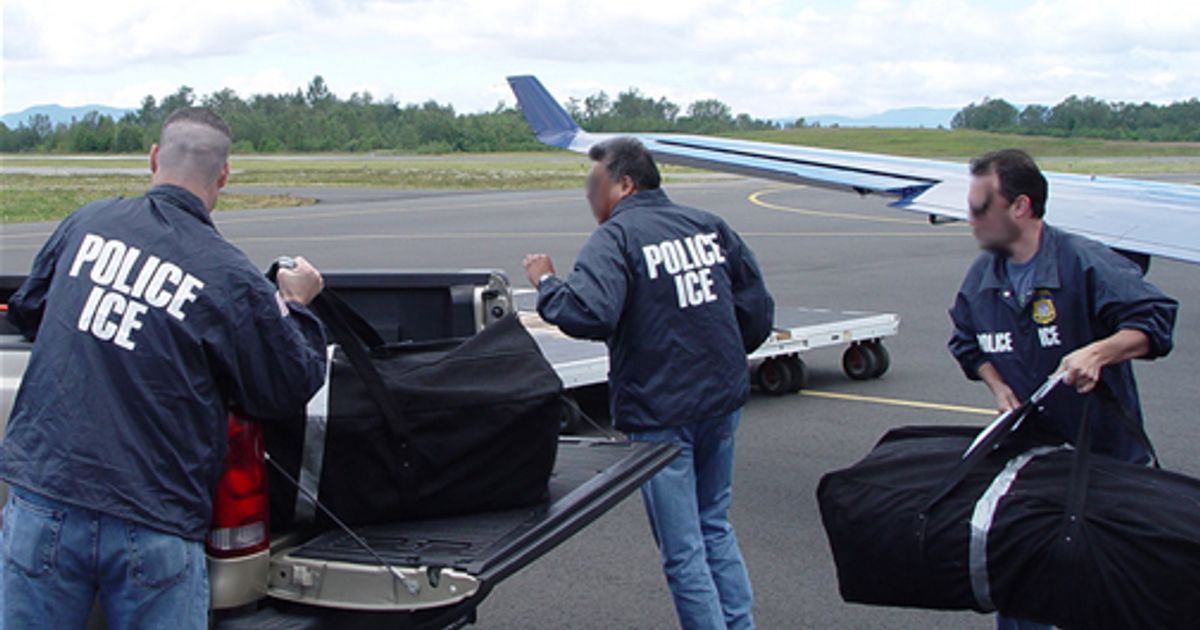
A federal judge has temporarily blocked New York from enforcing rules that barred federal law-enforcement officers from wearing face coverings and required them to display visible identification during public operations. US District Judge Mae D'Agostino found that the federal government had shown a likelihood of success on its constitutional claim that the state measures improperly regulate federal officers. The ruling pauses those parts of New York's new immigration-enforcement package while the case continues.
The constitutional issue
The dispute turns on the Supremacy Clause and the related principle of intergovernmental immunity. Federal lawyers argue that a state cannot dictate how federal agents dress, identify themselves or conduct authorised operations. New York argues that it has a legitimate public-safety interest in making law-enforcement activity transparent and accountable. D'Agostino wrote that the case was about constitutionality rather than which policy was preferable. Her decision does not endorse masked policing as good practice; it finds that New York may lack the power to impose these particular requirements on federal personnel. The mask and identification provisions were included in a package signed by Governor Kathy Hochul in May and took effect in June. They followed highly visible immigration operations in which agents covered their faces and, critics said, did not provide enough information for members of the public to identify them.
Why federal officers use masks
The Department of Justice says face coverings protect agents and their families from harassment, doxing and violence. It argues that the state law could expose officers to criminal penalties for following federal operational policy and could compromise sensitive investigations. Hochul and Attorney General Letitia James say unidentified masked agents create fear and confusion and make it harder to distinguish lawful officers from people impersonating police. After the ruling, they said they were reviewing legal options and maintained that masked agents do not make New York safer.
The 287(g) law remains
The judge reached a different result on New York's separate restriction on agreements under section 287(g) of federal immigration law. Those agreements allow local officers to perform specified civil-immigration functions under federal supervision. The state's ban on new or continuing 287(g) arrangements remains in force, according to reporting on the mixed decision. The distinction is important: the mask rule attempted to regulate how federal officers operate, while the cooperation rule directs how New York's own local resources may be used. The state law does not eliminate every form of contact between local and federal authorities. Cooperation can continue in criminal matters and in circumstances supported by judicial warrants. The central restriction concerns local participation in federal civil-immigration enforcement.
A wider national conflict
New York is one of several Democratic-led states seeking to limit masked immigration operations. Federal courts have already considered similar laws elsewhere, and the Justice Department has challenged restrictions in other jurisdictions. The litigation is likely to produce a clearer line between state police powers and federal operational independence. It may also influence how lawmakers draft future transparency measures, including rules that apply equally to federal, state and local officers. For now, federal agents in New York are not bound by the state mask and identification provisions. Local agencies, however, remain subject to the state's direction on 287(g) agreements. Both sides therefore won part of the first major ruling, and the constitutional dispute is far from finished.


Reader comments
Subscribers can join the conversationSign in to join the conversation. Comments are open to everyone with a free account.
Sign in or create accountLoading comments…