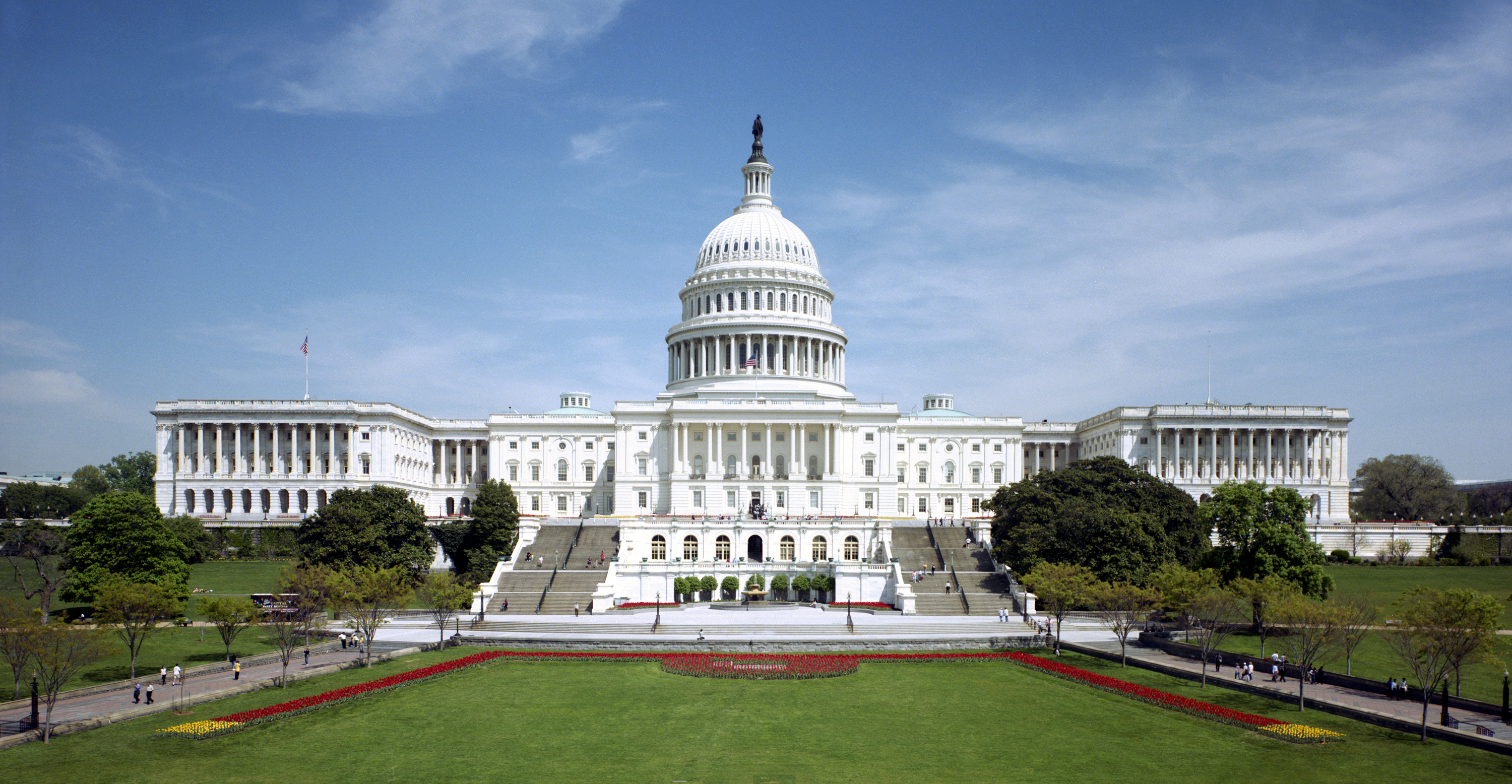
The United States' war with Iran has cost the Pentagon an estimated $37.5 billion, Defense Secretary Pete Hegseth told senators as the Trump administration sought a major new injection of military funding.
Hegseth gave the figure during a contentious Senate Appropriations Committee hearing. The estimate was substantially higher than the Pentagon's previous public assessment and included anticipated costs through the end of the financial year.
The administration is seeking tens of billions of dollars in supplemental defence funding for operations, munitions, equipment replacement, drones, cybersecurity and classified programmes. Republican leaders are also assembling a wider package valued at about $95 billion, containing military spending alongside other domestic priorities.
Hegseth argued that the money was urgently needed to sustain operations, replenish weapons and maintain troop readiness. He said failing to approve the request would jeopardise the military's ability to continue the campaign and deter further attacks.
Senators used the hearing to question not only the cost but the strategy. Democratic members warned that the conflict risked becoming another open-ended war without a clear political objective or exit plan.
The administration has presented several overlapping aims, including preventing Iran from rebuilding military capabilities, protecting US forces and allies, and securing shipping through the Strait of Hormuz. Critics say those goals have shifted as the conflict has continued.
The human cost has also increased. The hearing followed the announcement of further American military deaths, while more than 100 service members had been reported injured. Iranian attacks have damaged regional bases and forced the Pentagon to spend heavily on interception, repair and replacement.
The war has placed additional pressure on stocks of expensive missiles and air-defence interceptors. Replacing those weapons can take years because production lines are limited and global demand is already high.
The proposed funding includes billions for munitions, operations, cyber capabilities, drones, satellites and equipment lost or damaged in combat. Some of the requested money would also support national-security priorities not directly connected to Iran.
That mix drew questions from lawmakers who argued that an emergency war bill should not become a vehicle for unrelated policies. The wider package also includes farm assistance and changes to voting law, increasing the political complexity of the debate.
Congress is divided over its constitutional role. Another war-powers resolution is expected, reflecting concern that the administration has continued a major conflict without specific authorisation from lawmakers.
Republicans can attempt to move the funding through the reconciliation process, but narrow margins and growing unease mean passage is not guaranteed in its current form.
The hearing turned the cost of war from an abstract budget line into a test of strategy, authority and political trust.
The Pentagon can calculate money already spent. It is far harder to calculate how much the conflict will ultimately cost, how long it will last or what outcome would allow Washington to declare that its objectives have been achieved.



Reader comments
Subscribers can join the conversationSign in to join the conversation. Comments are open to everyone with a free account.
Sign in or create accountLoading comments…