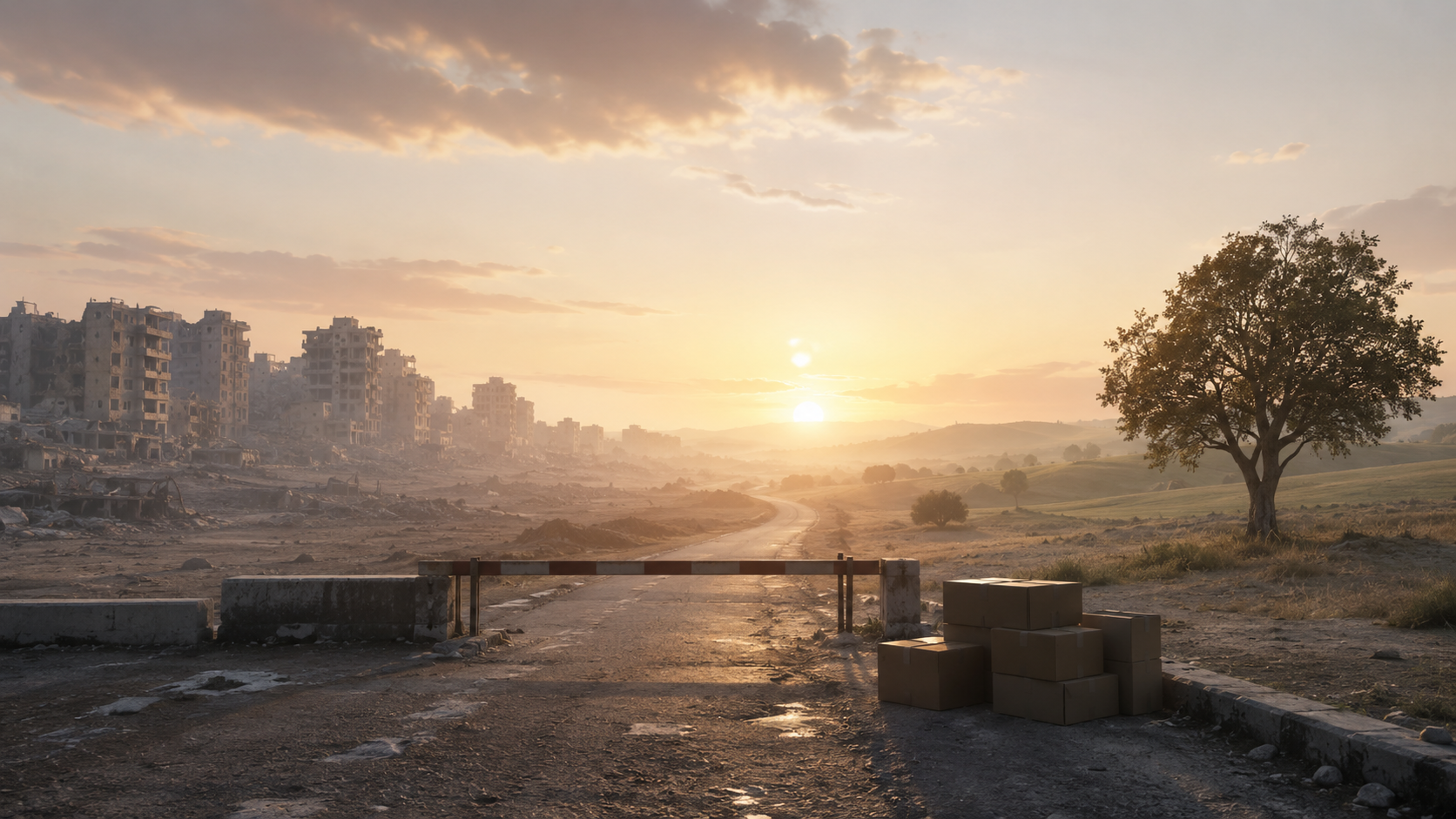
One thousand days after the Hamas-led 7 October attack on Israel, the war it triggered has settled into a grim and unresolved phase: a ceasefire that has not become peace, a reconstruction process that has barely begun, and two societies still measuring the scale of loss.
The Associated Press reports that the attack killed about 1,200 people in Israel and led to a war in which Gaza's Health Ministry says more than 73,000 Palestinians have been killed. That Palestinian death toll should remain clearly attributed because casualty figures from Gaza are politically contested even when widely cited by international agencies and media.
The ceasefire that began in October 2025 has not produced the political settlement needed for lasting recovery. AP reports that more than 2 million people in Gaza remain displaced and that post-ceasefire steps have stalled around issues including Hamas disarmament, security control and reconstruction access.
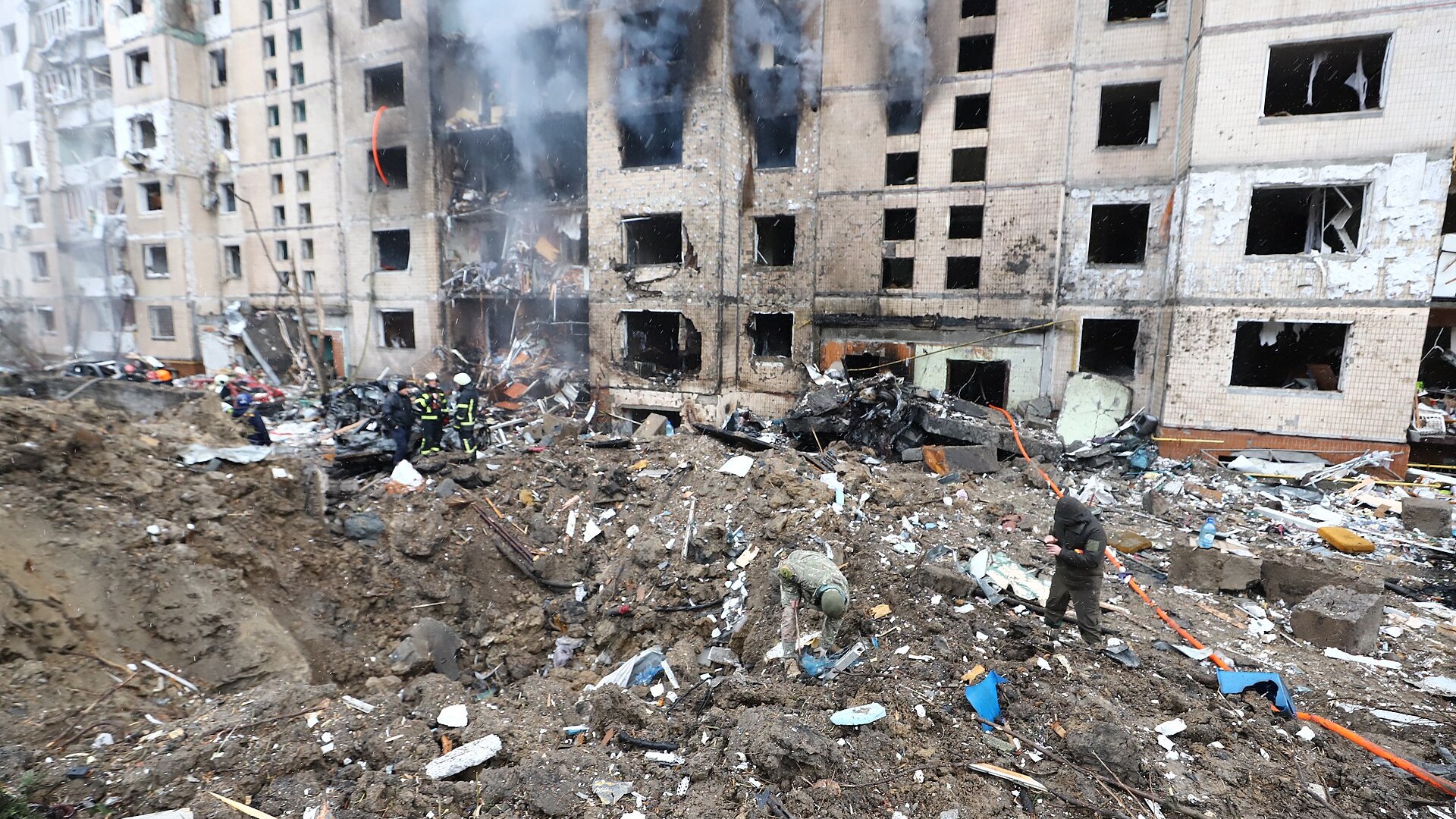
The practical consequences are visible in daily life. Large areas of Gaza remain damaged or destroyed. Aid access, medical care and housing are still inadequate for the scale of need. In Israel, the anniversary is bound up with grief, security arguments and political accountability for the failures surrounding the original attack and the conduct of the war that followed.
The milestone matters because it shows how the conflict has moved from emergency to condition. Temporary arrangements have prevented an immediate return to the worst phases of fighting, but they have not answered who governs Gaza, how reconstruction is funded, how hostilities truly end or how civilians on both sides regain any sense of safety.

Reader comments
Subscribers can join the conversationSign in to join the conversation. Comments are open to everyone with a free account.
Sign in or create accountLoading comments…