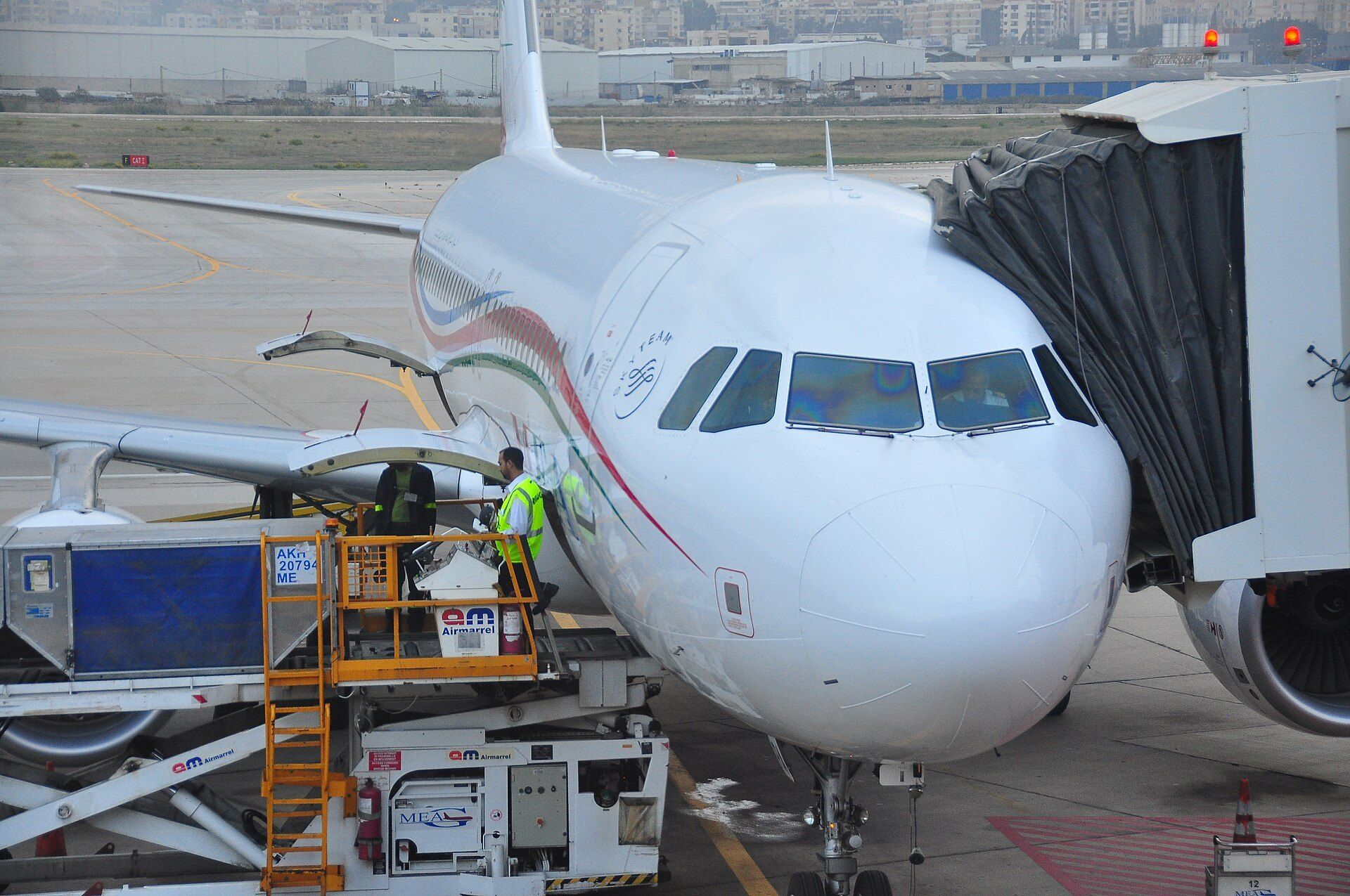
Lebanon plans to open a second commercial international airport next month in the impoverished north, aiming to attract investment and provide an alternative gateway to Beirut in a project that reflects the diminished political influence of Hezbollah.
Kleiat Airport — officially named René Mouawad Airport after a Lebanese president assassinated in 1989 — sits on the Mediterranean coast roughly 20 kilometres from the Syrian border crossing in the northern region of Akkar. Public Works and Transport Minister Fayez Rasamny told Reuters on Wednesday that the facility is “a national economic need” and will initially offer regional flights to Turkey, Egypt and Jordan. Private investors are contributing $5 million to $6 million towards the site, which is slated to operate under a four-year private management contract, while the government upgrades surrounding roads.
For decades, travellers have depended solely on Rafic Hariri International Airport south of Beirut, where operations have repeatedly been disrupted by wars between Israel and Hezbollah and occasional road blockades by the group’s supporters. Officials hope commercial flights from Kleiat — expected to begin in mid-December subject to final construction and aviation approvals — will ease that vulnerability and create jobs in Akkar, a predominantly Sunni Muslim province of more than 300,000 residents widely regarded as Lebanon’s poorest.
Northern lawmakers had long pressed to convert the disused military airbase into a civilian hub, but former Akkar parliamentarian Hadi Hobeich told Reuters the effort previously met “intense hostility” from Hezbollah, which raised questions over who would control airport security. Hezbollah’s media office did not respond to Reuters’ request for comment.
Prime Minister Nawaf Salam, who took office in early 2025, made reopening Kleiat a priority as Hezbollah’s leverage over Lebanese cabinet decisions ebbed following devastating conflict with Israel and the ouster of its Syrian ally Bashar al-Assad. Even as the country continues to face economic crisis, political gridlock and Israeli military presence in the south, local leaders hope a functioning northern airport will finally connect Akkar to regional trade and diaspora travel.


Reader comments
Subscribers can join the conversationSign in to join the conversation. Comments are open to everyone with a free account.
Sign in or create accountLoading comments…