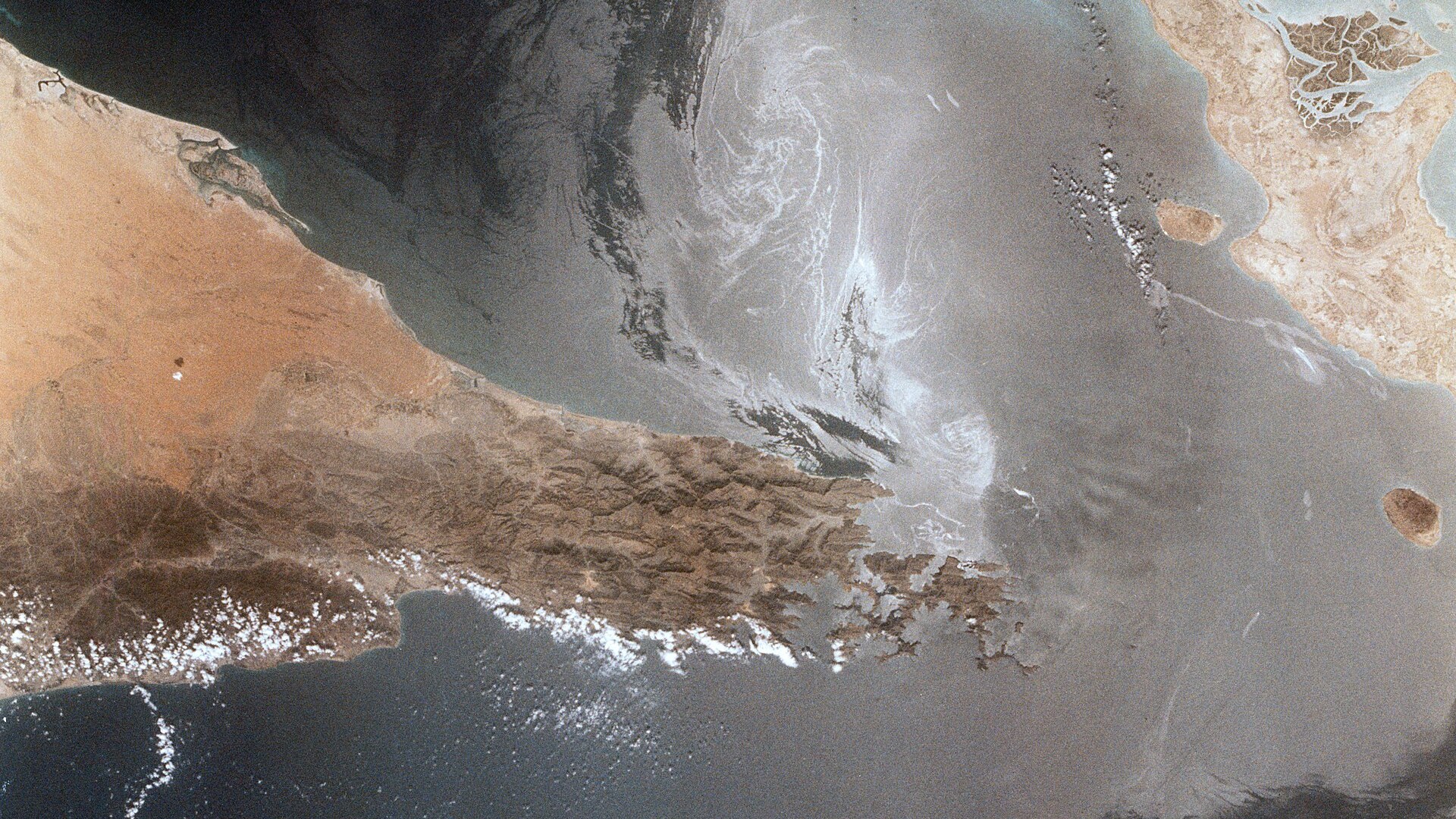
Explosions were reported in Riyadh on Thursday as Saudi authorities said they had intercepted missiles directed towards the kingdom and Yemen’s Houthi movement claimed responsibility for an attack.
The Associated Press reported that the Houthis made the claim but did not provide evidence that they had carried out the strike. Saudi authorities said two ballistic missiles aimed at Riyadh and another directed towards Khamis Mushait had been intercepted. Reports of airport disruption and damage from falling debris were also circulating, although not every detail could be independently confirmed.
The uncertainty matters. In a conflict shaped by competing official statements, an interception, a launch claim and confirmed damage are three different facts. They should not be collapsed into a single narrative before independent evidence is available.
The reported exchange nevertheless places Saudi airspace and the Red Sea security crisis back at the centre of regional attention. The kingdom has been drawn into a wider confrontation around Yemen and the Bab el-Mandeb strait, a passage through which commercial shipping has faced repeated security risks. Any sustained threat to airports or maritime routes would have consequences beyond the immediate military theatre.
The AP reported that debris from an interception damaged a kindergarten and a medical complex. It also said earlier attacks had killed three people. Those details were attributed to the report’s sources and should remain subject to continuing verification.
The wider response is also beginning to take shape. The AP reported that Turkey and Pakistan were assessing possible defensive assistance for Saudi Arabia. Any such move would raise the stakes of a crisis that is already connecting Gulf security, Yemen’s war and the safety of international shipping.
For now, the central question is not simply who claims the attack. It is whether the region is moving towards a pattern in which each interception prompts another launch, another closure and another round of retaliation. That cycle would make civilian aviation, medical services and trade routes increasingly vulnerable even where the missiles themselves are stopped.
The reported explosions require further confirmation, but the strategic warning is immediate: air-defence systems may prevent the worst outcome without removing the risk that produced it.

Reader comments
Subscribers can join the conversationSign in to join the conversation. Comments are open to everyone with a free account.
Sign in or create accountLoading comments…