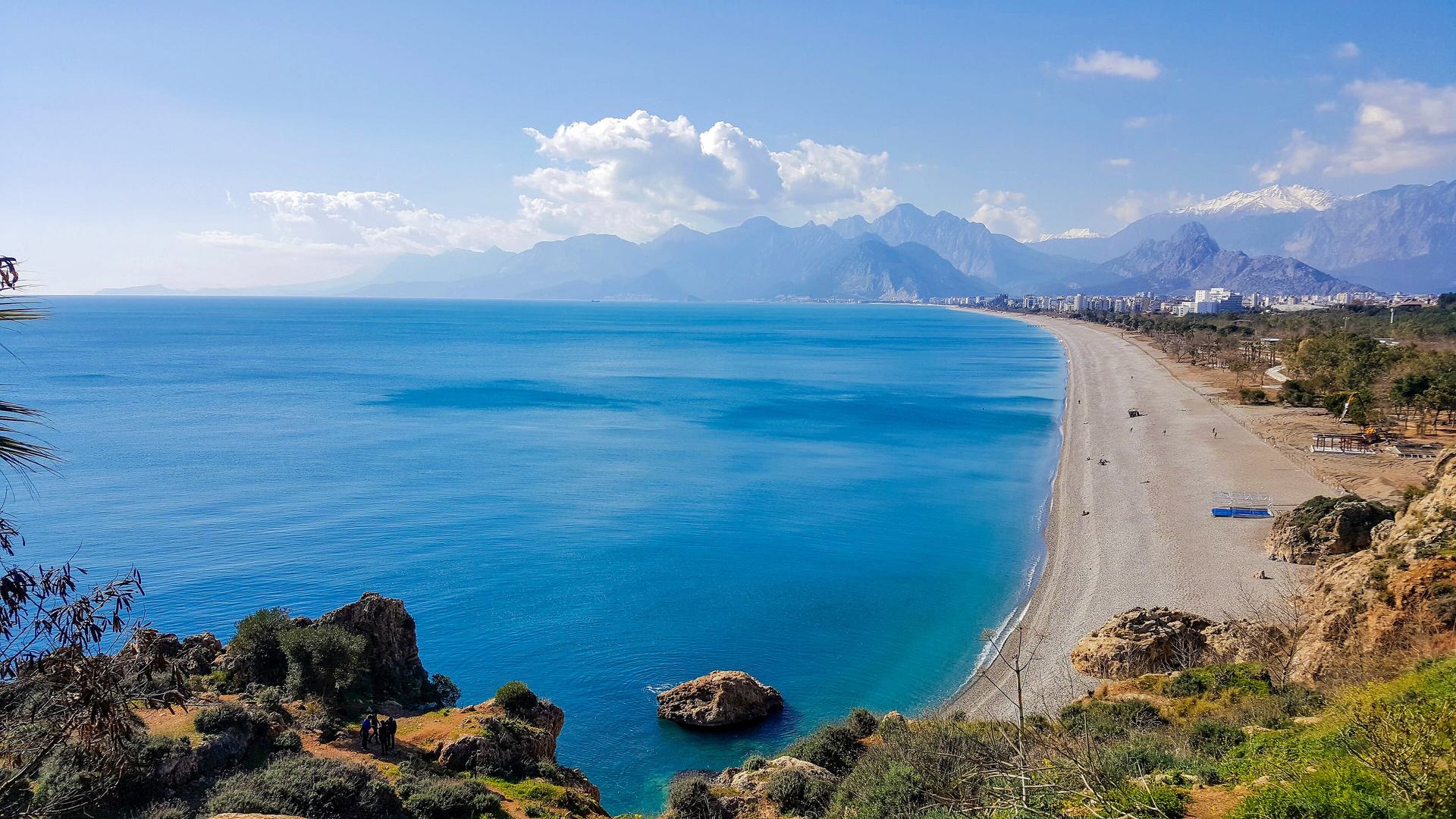
The United Nations climate conference in Antalya ended on Sunday without an overarching agreement, after negotiators failed to bridge divisions over fossil fuels and other contested issues. The talks, known as COP31, ran more than 50 hours beyond their scheduled close.
The UN said the final days of negotiations produced no consensus on the summit’s main political outcome, often called a “cover decision.” The Associated Press reported that disagreement over whether the text should explicitly address fossil fuels was central, alongside disputes over finance and other proposals. The final draft did not mention oil, gas or coal or call for a transition away from them.
The UN secretary-general, António Guterres, said he was deeply disappointed that governments had not reached consensus. He argued that the failure to agree did not alter the scientific evidence or the need for action, and said progress should be measured by concrete reductions in fossil-fuel dependence, expanded clean energy and delivery of climate finance.
The outcome was not a complete halt to the conference’s work. AP reported that negotiations had advanced on narrower agenda items, even as governments failed to approve the central political text. The distinction matters: the conference produced discussions and some issue-specific progress, but no common top-level agreement to frame the next phase of climate diplomacy.
The breakdown exposes the gap between countries that wanted stronger language on moving away from fossil fuels and those that opposed including it in the final text. Reuters reported that Saudi Arabia was among the governments resisting such language, while the UN’s account described a wider failure to reconcile positions.
The next test is whether governments carry the unresolved questions into national policy and the next round of talks: how quickly to reduce emissions, how to finance adaptation and transition, and how a near-universal process can produce decisions when positions remain far apart.


Reader comments
Subscribers can join the conversationSign in to join the conversation. Comments are open to everyone with a free account.
Sign in or create accountLoading comments…