A monthly lead changes hands
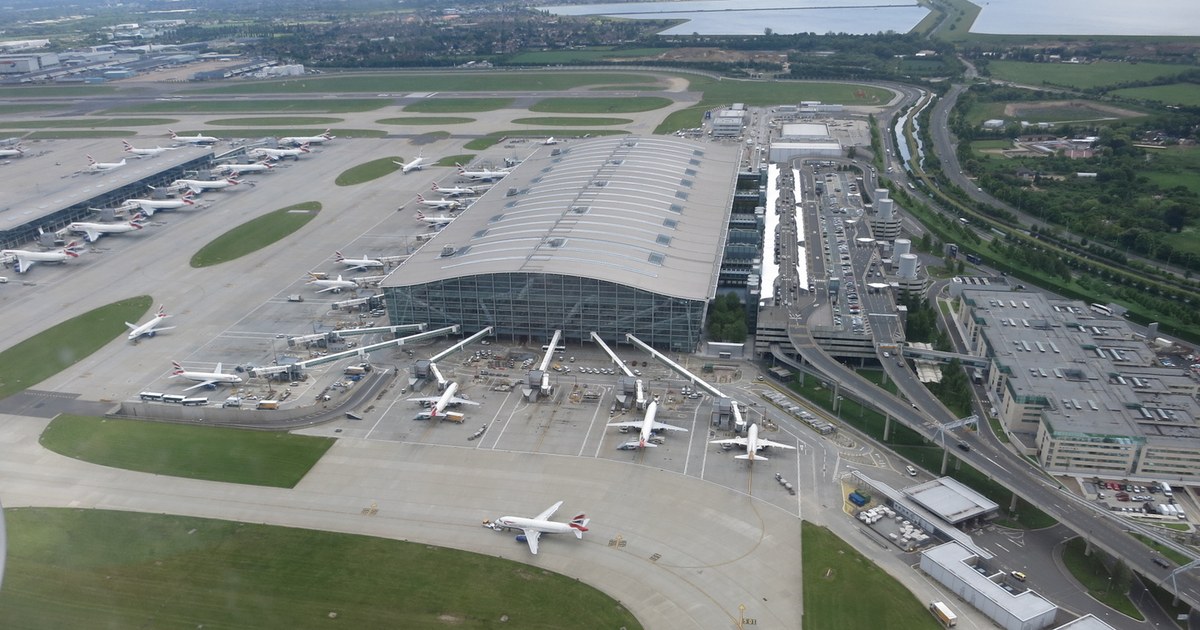
Istanbul Airport overtook London Heathrow in passenger traffic in July, a symbolic change at the top of European aviation as the British hub renewed its argument for more runway capacity.
Heathrow handled about 7.86 million passengers during the month, while Istanbul recorded roughly 8.15 million. The gap of about 290,000 travellers is significant because Heathrow has long used its scale and international connectivity as evidence of London's position in global aviation.
Heathrow points to disruption and capacity
Heathrow's July passenger total was down about 1.5% from a year earlier. The airport has linked part of the weakness to disruption on Middle East routes, where traffic was reported to be down more than 20% year on year as conflict affected schedules and demand.
But the airport is also using the comparison with Istanbul to reinforce a longer-running argument: that two runways operating close to capacity limit its ability to add flights when competitors have room to grow.
A single month does not decide Europe's aviation hierarchy, but Heathrow's loss of the July lead lands directly inside Britain's argument over whether its largest airport is full.
The third-runway debate returns
Heathrow's owners have proposed an expansion capable of increasing annual capacity to around 150 million passengers. The project remains subject to planning, environmental, regulatory and financing decisions, and has been contested for decades because of noise, emissions, land use and cost.
The government has reopened the policy process around expansion, making traffic comparisons politically useful on both sides. Supporters argue that a larger hub would protect connectivity, trade and investment. Opponents question whether demand projections and climate commitments justify the scale of construction.
One month is not the whole ranking
The July result should not be read as a final verdict on which airport will be Europe's busiest across 2026. Monthly passenger numbers move with holidays, airline schedules, regional disruption and route changes.
Other measures also produce different rankings. Scheduled-seat capacity, international-only traffic and total passenger throughput do not always put airports in the same order.
Even so, the direction of travel matters. Istanbul has expanded rapidly as a connecting hub between Europe, Asia, Africa and the Middle East. Heathrow remains one of the world's most important international airports, but its margin over fast-growing rivals has narrowed. That makes a once-technical capacity debate increasingly central to Britain's wider economic strategy.



Reader comments
Subscribers can join the conversationSign in to join the conversation. Comments are open to everyone with a free account.
Sign in or create accountLoading comments…