Stocks fall below 7.9 billion barrels
Global oil inventories are being depleted rapidly as disruption to Middle East exports continues, the International Energy Agency has warned in its latest monthly assessment of the market.
Current reporting on the August Oil Market Report says crude inventories have fallen below 7.9 billion barrels for the first time since April 2025. The decline leaves a thinner buffer between disrupted production and the fuel needs of consumers, refiners and transport systems.
The IEA's warning matters because inventories are what allow the market to absorb a temporary loss of supply without immediately forcing the same volume of demand to disappear.
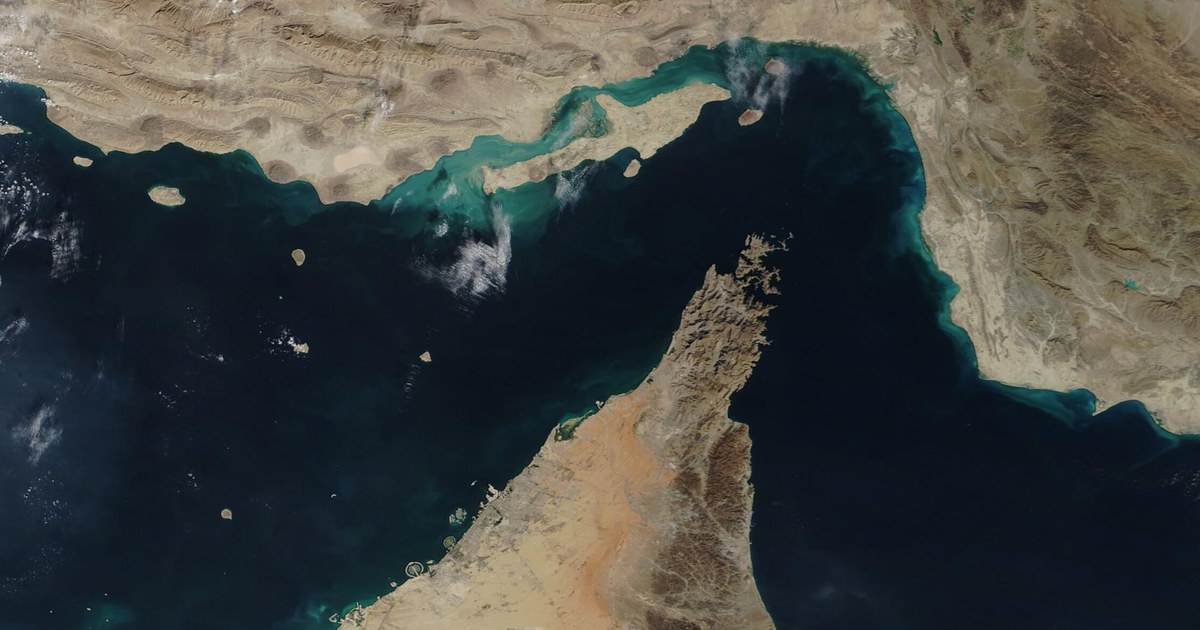
Hormuz still constrains supply
The central problem remains the Strait of Hormuz. The waterway links Gulf producers to global markets and normally carries a very large share of seaborne oil. Months of conflict and restrictions have reduced the amount of Gulf production that can reach customers on normal routes.
The IEA now expects global oil supply to fall by about 4.3 million barrels a day across 2026. Reporting on the new figures also indicates that around 8.3 million barrels a day of Gulf output remained offline, even though global production increased in July.
Producers have redirected some exports through pipelines and terminals outside the strait, but those alternatives cannot fully replicate normal Gulf shipping capacity.
The danger is not only today's price: a thinner inventory buffer leaves the market less able to absorb the next disruption.
Demand is weakening too
High prices and uncertainty are also changing the demand side. The IEA has cut its forecast and now expects global oil demand to decline by about 1.6 million barrels a day in 2026, a larger fall than it projected last month.
That decline is a form of economic adjustment. Households drive less or switch spending, airlines and freight operators face higher costs, and industries reduce fuel consumption when energy becomes scarce or expensive.
Weaker demand can ultimately help rebalance the market, but it is not a painless solution. It can arrive through slower growth, cancelled travel, higher transport costs and pressure on fuel-importing economies.
Why the buffer matters
Oil markets can tolerate disruption when storage tanks, commercial inventories and strategic reserves are deep enough to bridge the gap. The risk rises as those buffers shrink because another outage, attack or shipping interruption has less spare inventory behind it.
That is why the IEA's inventory warning can matter even if benchmark crude prices are below earlier crisis peaks. Prices describe the market today; inventories describe part of its ability to withstand tomorrow's shock.
The next turning point will be whether commercial passage through Hormuz becomes more reliable and whether Gulf output can return faster than inventories are being drawn down.
Reader comments
Subscribers can join the conversationSign in to join the conversation. Comments are open to everyone with a free account.
Sign in or create accountLoading comments…