The index rises to 131.1
Global food commodity prices edged higher in July as increases in cereals, sugar and vegetable oils outweighed declines in meat and dairy products, according to the United Nations Food and Agriculture Organization.
The FAO Food Price Index averaged 131.1 points, up 0.6% from June and 1.0% from a year earlier. Despite the increase, the index remained 18.2% below the peak reached in March 2022.
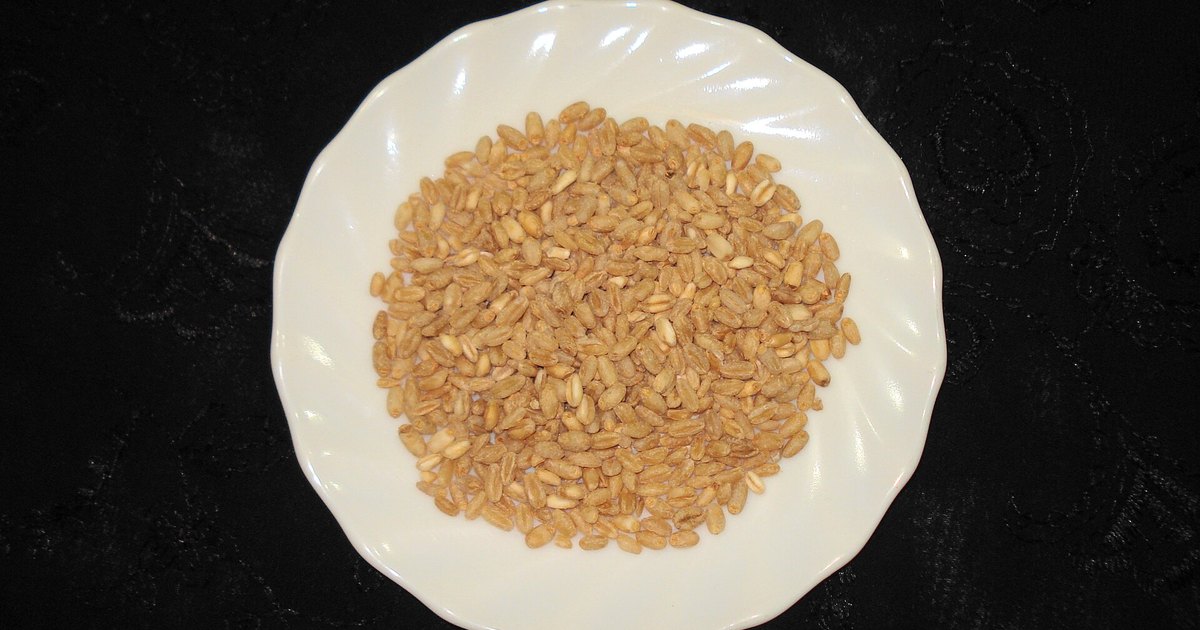
Wheat climbs 5.8%
Cereal prices rose 3.4% over the month. Global wheat quotations increased 5.8% and were 9.9% above their level a year earlier as markets responded to continued disruption of Black Sea export flows, damage to export infrastructure and heat-related concerns over crop yields in several producing countries.
Maize prices rose 3.6%, supported by hot and dry weather in parts of the US Corn Belt and by firmer energy markets. Barley moved in the opposite direction, falling 1.9% as favourable supply prospects in Australia and the Black Sea region offset losses elsewhere.
Sugar jumps as weather risks grow
The sugar index increased 5.6% from June. FAO linked the rise to persistent hot and dry conditions that could affect European Union crops and to El Niño-related risks for production in key Asian countries.
Expectations of stronger ethanol demand in Brazil also supported prices because more sugarcane could be directed into fuel production. Better harvesting conditions in Brazil's main producing region limited the overall increase.
The July increase was modest at index level, but the sharp moves in wheat and sugar show how quickly weather, war and energy markets can move traded food costs.
Vegetable oils reach a four-year high
Vegetable oil prices rose 2.0% to their highest index level since June 2022. Higher palm and soy oil quotations more than offset declines in sunflower and rapeseed oil.
Palm oil was supported by biodiesel demand in Indonesia and higher crude-oil prices, while soy oil benefited from strong US feedstock demand and global import buying. Sunflower and rapeseed prices fell on expectations of larger supplies, although renewed Black Sea tensions limited the decline.
Commodity prices are not supermarket prices
Meat prices fell 2.8% and dairy prices declined 0.7%, preventing a larger rise in the overall index. Those offsetting moves show why the headline figure can look modest even when individual commodities change sharply. FAO notes that the latest meat index partly uses projected prices and can be revised.
The FAO index tracks internationally traded commodity prices rather than what households pay at the checkout. Retail food inflation also depends on processing, energy, wages, transport, exchange rates, taxes and competition, so the July increase will pass through differently from one country and product to another.



Reader comments
Subscribers can join the conversationSign in to join the conversation. Comments are open to everyone with a free account.
Sign in or create accountLoading comments…