Fighting in Nuristan
The fighting took place in Kamdesh district, in the mountainous eastern province of Nuristan, close to the border with Pakistan.
Afghanistan’s Defence Ministry initially said on 27 September that 28 fighters had been killed and 32 wounded after crossing from Pakistan. It said the group included Islamic State militants and that many were former members of Afghanistan’s former security forces.
Reuters reported the claims but said it could not independently verify the Afghan authorities’ account or the casualty figures. Pakistan rejected the accusations.
Afghan authorities subsequently said 41 fighters had been killed and 62 captured during three days of operations in Kamdesh.
Parrhesia News has been provided with testimony from men detained following the fighting, as well as written accounts supplied by the Afghan authorities upon request.
The detainees describe journeys through Iran and Pakistan, stays in several Pakistani cities and weapons training before being moved towards Afghanistan.
Their accounts could not be independently verified by Parrhesia News. The men are being held by the Afghan authorities, an important consideration when assessing testimony given in custody.
From Iran to Islamabad and Chitral
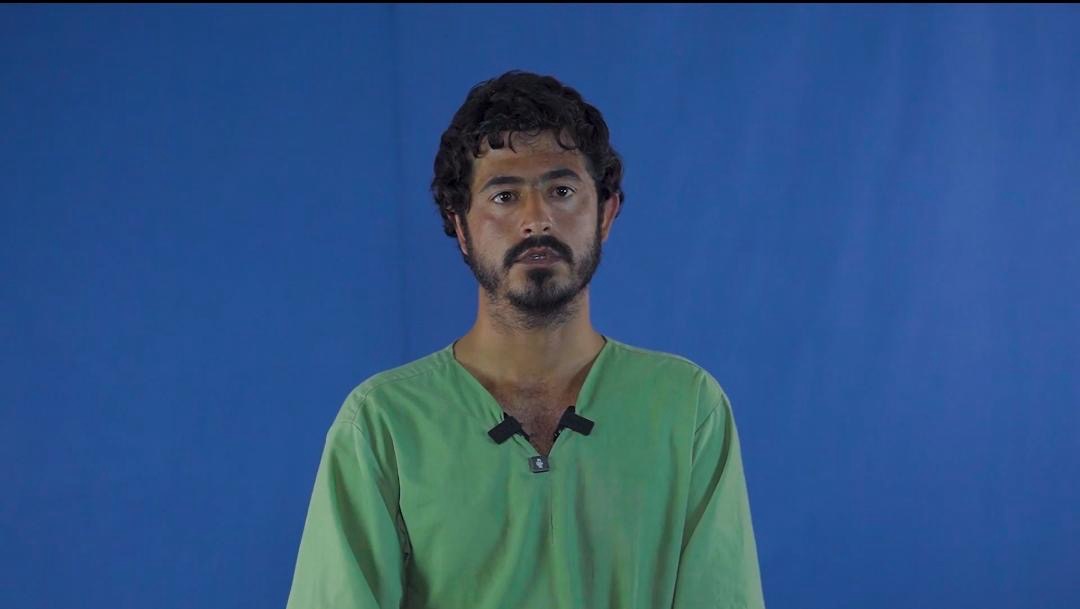
One of the detainees, Shad Mohammad, son of Raz Mohammad and grandson of Imam Nazar, is from Dahana-e Ghori district in Baghlan province.
Mohammad said he had been working as a labourer in Iran before travelling towards Pakistan.
He identified a man he called Commander Abdul Hassan, whom he said was involved in arranging the journey.
Mohammad said he travelled to Chabahar, on Iran’s southern coast, before crossing by sea towards Pakistan.
“We stayed one night in Chabahar,” he said. “From Chabahar we crossed by sea. We were in Gwadar for about ten days.”
Gwadar is a Pakistani port city on the Arabian Sea, close to the Iranian border.
Mohammad said that after about ten days there, he was taken to Islamabad.
“We went to Islamabad. They trained us for about five or ten days,” he said.
He said he was then moved north to Chitral, close to Afghanistan’s Nuristan province.
“They took us to Chitral. We stayed there for one night. They armed us and took us to the battlefront.”
Mohammad said the fighting began at around 8am and continued until the evening.
“At seven in the evening, we surrendered,” he said.
Parrhesia News has not been able to establish the identity or affiliation of Commander Abdul Hassan, or who organised the different stages of Mohammad’s journey.
The written account provided by the Afghan authorities goes further than Mohammad’s recorded words. It says that after receiving military training in Islamabad and being moved to Chitral, Mohammad was trained and transported by Pakistani intelligence personnel before entering Afghanistan with other men.
In the section of Mohammad’s original-language testimony reviewed by Parrhesia News, however, he does not explicitly identify the people who trained him as members of Pakistani intelligence.
Fifty days in Islamabad
A second detainee, Nazir Ahmad, son of Haji Naqi Muhammad and grandson of Ali Muhammad, is from Khanabad district in Kunduz province.
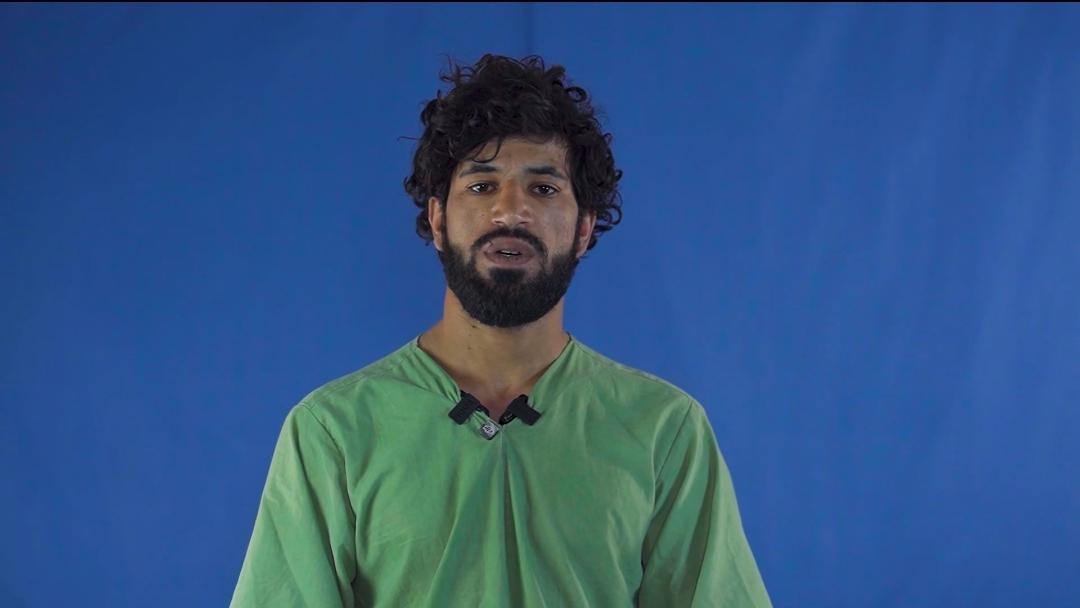
Ahmad described a different journey.
He said a friend arranged for him to travel to Pakistan. He left Kunduz for Kabul, travelled south to Helmand and then crossed into Pakistan before reaching Quetta.
From Quetta, he said, he was transported to Islamabad.
“In Islamabad, they took us to a camp,” Ahmad said. “We stayed at the camp for approximately 50 days.”
Ahmad said he received weapons instruction during his stay.
“They taught us about guns, how to fire our weapons,” he said.
His account of the 50 days is not entirely clear. Although he says he remained at the camp for around seven weeks, he describes receiving weapons instruction for only a few days and does not explain in detail what happened during the rest of his stay.
Ahmad said he was subsequently taken back towards Afghanistan and given a weapon.
He recalled being told: “Your homeland is troubled. Go and restore calm there.”
According to the account supplied by the Afghan authorities, he later entered Afghanistan and was captured during fighting.
Again, the Afghan government’s written description makes a more specific allegation than the passage of Ahmad’s testimony reviewed by Parrhesia News.
It says Pakistani intelligence trainers taught him to use different types of weapons during his time in Islamabad before he was taken towards the Afghanistan-Pakistan border.
Ahmad himself says he was trained at a camp in Islamabad, but in the section of the recording reviewed by Parrhesia News he does not explicitly identify who ran the camp or who employed his trainers.
Other detainees describe similar journeys
At Parrhesia News’s request, the Afghan authorities provided accounts from two other men captured following the fighting.
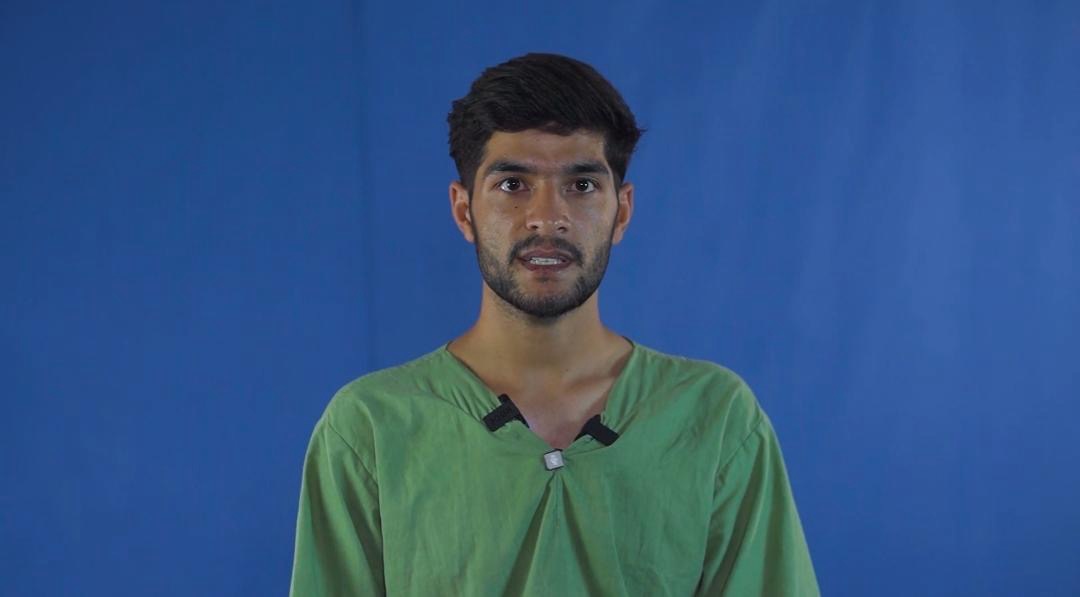
One is Javid, son of Abdul Hakim, from Khwaja Kanti village in Qaysar district of Faryab province.
According to the account supplied by the Afghan authorities, Javid said he was taken through Iran to Pakistan and received military training at several camps in Islamabad, Peshawar and Chitral.
He alleged that instructors operating under the supervision of Pakistani intelligence trained him in the use of Kalashnikov rifles, rockets, bazookas and PK machine guns.
Javid said he was later transported from Chitral towards the Afghan border in Pakistani military vehicles, where he crossed into Afghanistan with several other men.
He said that after several hours of fighting in Nuristan, he and others surrendered to Afghan forces.
A fourth detainee, identified as Aziz from Ghor province, said he had also been working as a labourer in Iran.
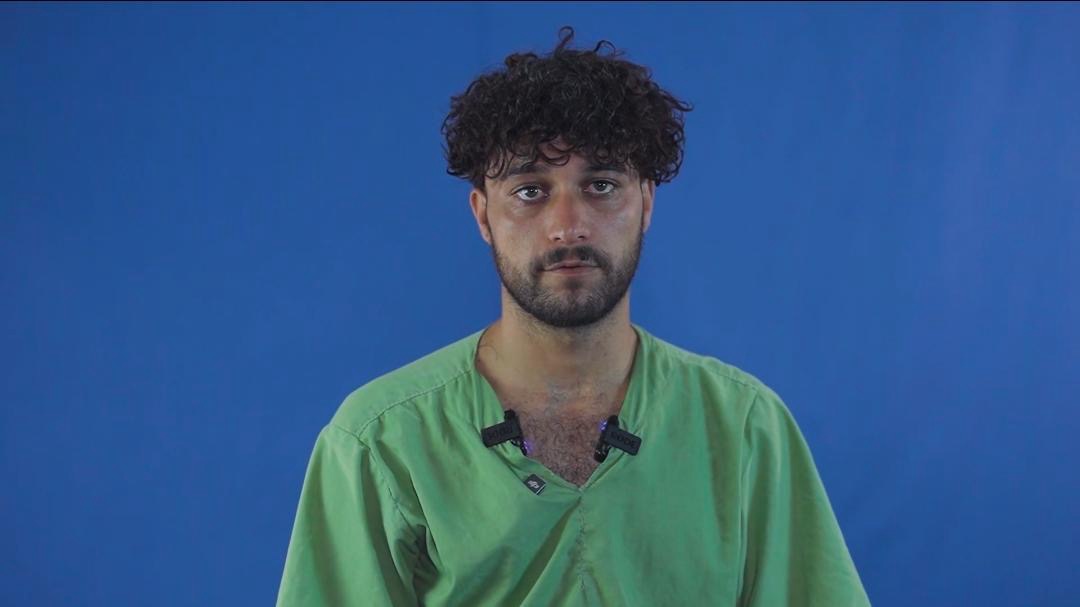
According to the account supplied by the Afghan authorities, Aziz said he was approached by people promising him a good salary before being taken from Iran to Pakistan through Chabahar and Gwadar.
He said he was taken to several camps after arriving in Pakistan.
The account says Aziz alleged that Pakistani intelligence personnel were directly involved in supervising and training the group.
He said he and several others were taken to a camp identified as Zahid, where they remained for around 20 days before being moved to a training centre and receiving basic instruction in the use of weapons.
The account also identifies a man named Fazal Rabi, whom the Afghan authorities describe as a member of an armed group, as being involved in taking the men towards the Afghan border.
Aziz said he subsequently surrendered following the fighting.
Parrhesia News has not independently verified these accounts, the identities of the alleged trainers, the camps described by the detainees or the affiliations of the individuals named.
Kabul accuses Pakistani intelligence
The accounts form part of a broader allegation by Afghanistan’s Taliban government that Pakistani intelligence was involved in recruiting and training men who were subsequently sent into Afghanistan.
The Afghan Defence Ministry has accused Pakistan of supporting the fighters who entered Nuristan.
There is, however, an important distinction between the Afghan government’s written accounts and some of the original testimony reviewed by Parrhesia News.
Both Shad Mohammad and Nazir Ahmad describe travelling through Pakistan, staying at camps or other locations, receiving weapons training and eventually being taken towards Afghanistan.
But in the sections of their original-language testimony reviewed by Parrhesia News, neither explicitly identifies his trainers as members of Pakistani intelligence.
The attribution to Pakistani intelligence appears in the written accounts supplied by the Afghan authorities.
This does not establish that Kabul’s allegation is false. But the detainees’ recorded statements, in the sections reviewed, do not themselves establish that specific part of the Afghan government’s account.
Who operated the camps and who organised the men’s journeys therefore remains a central unanswered question.
Pakistan rejects the allegations
Pakistan has strongly rejected Kabul’s accusations.
Its Information Ministry described the allegations as “frivolous, baseless and devoid of any truth”, according to Reuters.
Islamabad denied that its security forces or intelligence agencies had participated in the fighting in Nuristan, recruited or trained former Afghan security personnel, or facilitated Islamic State or other armed groups operating inside Afghanistan.
Pakistan has made accusations of its own.
Islamabad has repeatedly accused Afghanistan’s Taliban government of allowing Tehreek-e-Taliban Pakistan, or TTP, to operate from Afghan territory and carry out attacks inside Pakistan.
Kabul denies providing the group with a safe haven.
Relations between the two countries have deteriorated sharply despite Pakistan initially welcoming the Taliban’s return to power in Kabul in 2021.
Pakistan carried out strikes at ten locations inside Afghanistan on 24 September, saying the sites were being used to launch and store drones targeting Pakistan. Kabul said four civilians were killed and denied responsibility for the alleged drone attacks.
Questions remain over who organised the operation
The detainees’ accounts do not settle the dispute between Afghanistan and Pakistan, but they contain a number of details that could potentially be checked.
Shad Mohammad describes travelling from Iran through Chabahar and by sea to Gwadar, followed by around ten days in the Pakistani port city, training in Islamabad and a journey to Chitral. He names Commander Abdul Hassan as someone involved in arranging his journey.
Nazir Ahmad describes travelling through Quetta before spending around 50 days at a camp in Islamabad.
Javid’s account refers to camps in Islamabad, Peshawar and Chitral and alleges that Pakistani military vehicles were used to transport men towards the border.
Aziz describes travelling through Chabahar and Gwadar, spending around 20 days at a camp he calls Zahid and names Fazal Rabi as someone involved in moving the group towards Afghanistan.
Those details may provide avenues for further verification.
For now, the central allegation remains disputed.
Afghanistan says Pakistani intelligence recruited, trained and transported men who were subsequently sent into Nuristan. Pakistan categorically denies doing so.
The detainees describe travelling through Pakistan and receiving military training before reaching Afghanistan. Their testimony, however, does not on its own establish who organised the operation.
Reader comments
Subscribers can join the conversationSign in to join the conversation. Comments are open to everyone with a free account.
Sign in or create accountLoading comments…